













Travel is back, and it’s booming—hotels around the world have rebounded from the pandemic with a surge in bookings and a fresh set of challenges. But the real story isn’t just about filled rooms. It’s about how the hospitality industry has hit fast-forward, reinventing what comfort, convenience, and connection mean for today’s traveler.
Today, contactless services, AI-powered recommendations, and even eco-friendly rooms are the new gold standard. Over 60% of hotel leaders say that a smooth, fully digital guest journey is their top priority, and they’re rolling it out everywhere, from boutique escapes to big-name chains.
But here’s the twist: Travel technology isn’t making hotels colder or less personal. In fact, it’s the key to more thoughtful, tailored stays. The industry’s three “Cs”—Comfort, Control, and Convenience are driving a revolution, giving guests more of what they want without losing the welcoming touch that makes travel special.
In this blog, we’ll explore how new technology in Hospitality is transforming every moment of the guest experience, why 2025 is a make-or-break year for hospitality, and what both travelers and hoteliers should expect from this thrilling new chapter.
Let’s dive in!
Smart Hotels and Guest Experience
Today’s hotels are redefining what it means to be welcoming. With easy digital check-ins, mobile keys, and personalized settings, a guest’s journey starts smoothly from the moment they arrive. Smart hotels now use AI to remember guest preferences, whether it’s a preferred pillow type or favorite drink, ensuring each stay feels just right.
Mobile check-in and digital keys save time—guests can select rooms and unlock doors using their smartphones, leaving traditional lines and plastic cards behind. Voice assistants and facial recognition not only add convenience by letting guests control room features hands-free, but also increase security and comfort.
AI Travel Personalization
AI travel assistants have transformed how trips are planned and booked by offering highly personalized, real-time recommendations tailored to each traveler’s preferences.
A leading example is Trip.com Group, which has launched TripGenie, an advanced AI-powered travel assistant. TripGenie understands complex requests in natural language, instantly generates personalized itineraries, and makes tailored suggestions on flights, hotels, and activities—all within the Trip.com app. If your travel plans change, TripGenie adjusts and even handles booking updates for you. Beyond standalone apps, AI technology in hospitality helps travel agencies and OTAs automate customer service and personalize offers, improving efficiency and booking conversions.
Contactless Hospitality
Contactless hospitality is shaping the way guests interact with hotels at every step. Both guests and hoteliers recognize this shift. According to an Oracle and Skift survey, over 60% of hospitality executives say that a fully contactless experience for all significant transactions is the most likely technology to be widely adopted in the next three years.

Leading hotels like Accor Live Limitless integrate mobile check-in, in-app service requests, and contactless payments, reducing front desk wait times and boosting guest satisfaction. With these advances, hotels are boosting efficiency and empowering guests with more control, making travel smoother, safer, and more enjoyable for everyone.
Biometric Security in Travel
Biometric technology has introduced travel security and efficiency, especially at airports. Facial recognition systems will be standard at major hubs, like Singapore Changi and London Heathrow. This technology in hospitality speeds up the process and minimizes contact, meeting demands for both safety and convenience.
Fingerprint and iris scans add another layer of security. Digital passports, which store secure credentials on mobile devices, have been rolled out in countries such as Australia and the UAE, letting travelers clear immigration with a quick scan instead of paper documents. These advances mean travel is now not just faster, but also more secure, raising the overall guest experience and building trust in a digital-first world.
AR and VR Guest Experiences
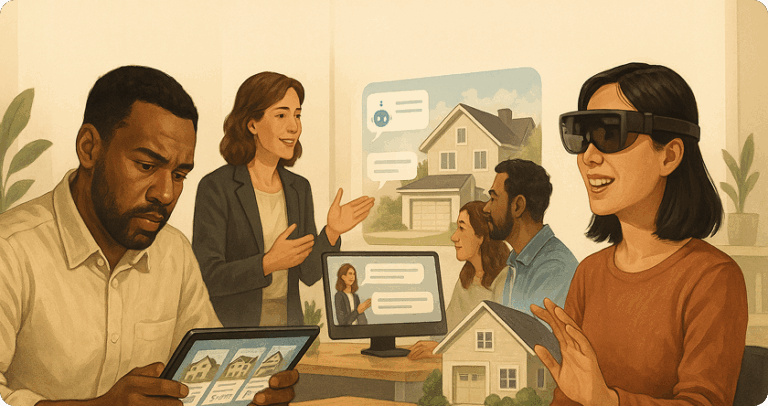
AR (Augmented Reality) and VR (Virtual Reality) tours let guests walk through hotel rooms and amenities online, helping them make confident booking decisions without surprises.
In-room, VR headsets offer immersive entertainment—from virtual city tours to wellness experiences—while AR tools provide real-time translations and interactive local guides. This blend of real and virtual enhances guest engagement and satisfaction by adding value before and during the stay. By enabling guests to visualize and experience options virtually, AR and VR help hotels reduce booking hesitation and create memorable, personalized visits. Many hotels report that these hospitality industry trends lead to higher bookings and better guest feedback, proving their growing importance in hospitality’s future.
Sustainable Travel Technology
The travel industry is evolving to prioritize responsible practices, and travel media plays a vital part. By using immersive technology and partnering with local tourism boards and brands, storytellers can promote sustainability beyond profit-driven tourism.
Travel media supports responsible travel by:
- Highlighting Carbon Offset Programs: Showcasing projects that reduce greenhouse gas emissions encourages greener choices.
- Promoting Slow Travel: Focusing on quality experiences with more extended stays helps reduce overtourism and benefits communities sustainably.
- Showcasing Regenerative Tourism: Spotlighting initiatives that restore environments and cultures goes beyond sustainability to actively heal destinations.
- Advocating Wildlife Conservation: Educating on the importance of protecting animals and habitats fosters conservation-minded travel.
Responsible storytelling shapes the future of travel, showcasing beautiful destinations while protecting them. With modern tech, travel media inspires stewardship and raises awareness of sustainable travel, ensuring the planet and communities thrive alongside tourism.
Data Analytics in Hospitality
Big data and analytics have become central to how hotels boost efficiency and improve guest experiences. Revenue management uses advanced analytics to set dynamic room pricing, adjusting rates in real time based on demand patterns, time of year, and local events. This helps maximize occupancy and profitability.
Forecasting tools analyze booking trends to help hotels predict busy periods and plan staffing or inventory needs accurately. Guest profiling with data analytics enables hotels to personalize marketing, tailor promotions, and recommend relevant services, improving satisfaction and loyalty. These tools are now commonly used for:
- Real-time room pricing
- Personalized offers via guest profiles and loyalty data
- Optimizing operations from housekeeping schedules to food and beverage planning
With these insights, hospitality brands can better anticipate guest needs and market more strategically across all segments.
Tech in Restaurants and Events
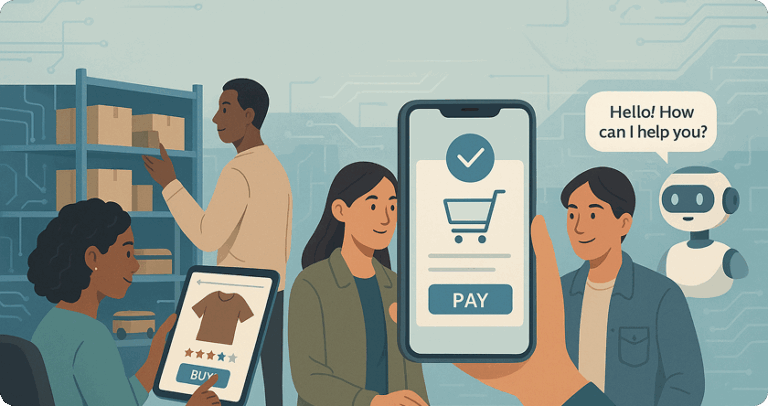
Technology in Hospitality is rapidly transforming restaurants, event venues, and attractions to create more innovative, more seamless experiences. Smart ordering systems—such as tablet menus, QR code ordering, and self-service kiosks—allow guests to order and pay quickly, reducing wait times and streamlining operations.
Digital concierges, often powered by AI chatbots, assist guests with recommendations, reservations, and personalized service in both restaurants and event spaces. Seamless ticketing systems use mobile apps and digital passes for easy entry, eliminating the need for printed tickets and speeding up check-ins.
Together, these hospitality industry trends enhance convenience for guests and help businesses operate more efficiently, from restaurants to concerts and amusement parks.
Overcoming Travel Technology Challenges
While travel technology is transforming hospitality, adopting new systems comes with real hurdles for hotels and hospitality businesses.

Before addressing these challenges in detail, it’s important to remember that even the most complex obstacles can be overcome with a thoughtful, step-by-step approach. Here are some practical strategies that can help any hospitality business confidently balance technology adoption with authentic, high-quality service.
- Start Small and Scale: Prioritize tech investments that solve specific pain points, show a clear return, or streamline daily operations—then expand as benefits become clear.
- Invest in Training: Make staff training ongoing, practical, and inclusive, ensuring everyone is confident using new systems.
- Choose Flexible Solutions: Select tech platforms designed to integrate with existing systems and scale up as needed, reducing risk and complexity.
- Double Down on Data Security: Regularly audit data protection practices, work with reputable vendors, and be transparent with guests about how their data is used and protected.
- Blend Digital with Personal: Use automation for routine tasks (like check-in), freeing up staff to deliver that irreplaceable human touch—greeting guests, solving problems, and creating memorable moments.
The traveler of tomorrow values comfort, control, convenience, and care for themselves, their communities, and the planet. Meeting these needs effectively offers a massive opportunity for businesses that embrace travel technology thoughtfully and responsibly.
Conclusion
Travel is changing quickly, and it’s an exciting time to be part of it. Technology is helping make trips easier, more personal, and better for the environment. Whether you’re getting ready for your next vacation or working in the travel business, embracing new ways to connect and serve guests can bring great rewards.
The best part is how these changes help create more meaningful experiences, making every trip special and memorable. If you found this blog helpful, please share it and let us know what you think. We’d love to hear your thoughts and stories about hospitality industry trends today!
FAQs
How are smaller boutique hotels competing with larger chains in adopting travel technology?
Will blockchain play a role in hospitality technology?
How is robotics being used in the hospitality industry?
What role does 5G play in transforming guest experiences?
How are loyalty programs evolving with new technology?
Can travel technology improve accessibility for guests with disabilities?