













The world is not waiting. Oil prices climb, cities choke on emissions, and drivers question whether the next car they buy will already feel outdated by the time it leaves the showroom. In this tension lies a simple truth: the future of electric vehicles is no longer a debate; it is the reality shaping roads, policies, and consumer choices.
But here’s the twist—every revolution comes with its growing pains. People ask: Will my car run out of charge before I reach home? Is the price really worth it? Are charging stations reliable enough for long journeys? These questions are not doubts to dismiss; they are barriers begging for answers. And the industry is responding. Breakthrough electric vehicle innovations in fast charging, more intelligent batteries, and connected systems are not just engineering feats; they are lifelines for widespread adoption.
What makes this moment remarkable is the scale of possibility. Automakers are not only racing to meet demand, they are redefining what a car can be. For millions of drivers, the future of electric cars is a promise of freedom from fuel pumps, of vehicles that think, adapt, and integrate seamlessly with daily life.
This is the moment when hesitation turns into momentum. The story of EVs is not about gadgets and engines; it is about rewriting how we move, how we spend, and how we sustain the world we live in. And that story is just beginning to unfold in ways that will surprise even the most skeptical observers.
The Growing Need for Electric Vehicles
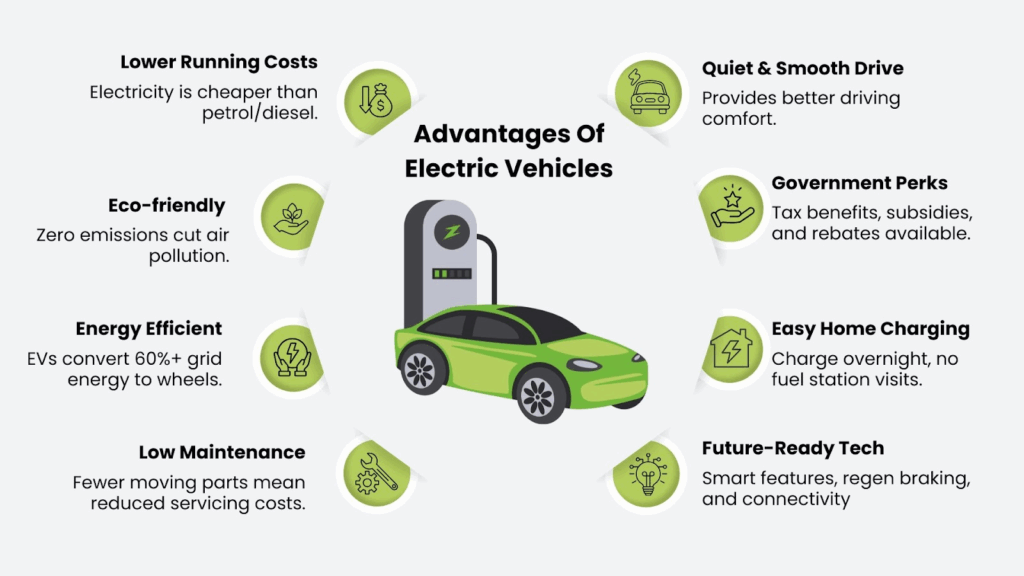
Pressure shapes progress. Prices at the pump rise without warning, city air feels heavier, and buyers expect smarter value from every purchase. The result is unstoppable and straightforward: the future of electric vehicles moves from conversation to commitment. What people want now is clarity, control, and cleaner mobility. What the industry must deliver is confidence at scale. Keep this lens as we unpack the forces turning intent into adoption and hesitation into momentum, then step into the breakthroughs that make the shift real.
From Price Pain to Price Power
Every stop at the fuel station feels unpredictable, and families are growing weary of the endless squeeze on their wallets. EVs flip that narrative by replacing fuel volatility with stable running costs and minimal maintenance. The future of electric cars is grounded in financial clarity, giving drivers control instead of uncertainty. What once felt like a gamble now feels like a guarantee, and that makes the switch to electricity more compelling than ever.
Clean Air as a Non-Negotiable
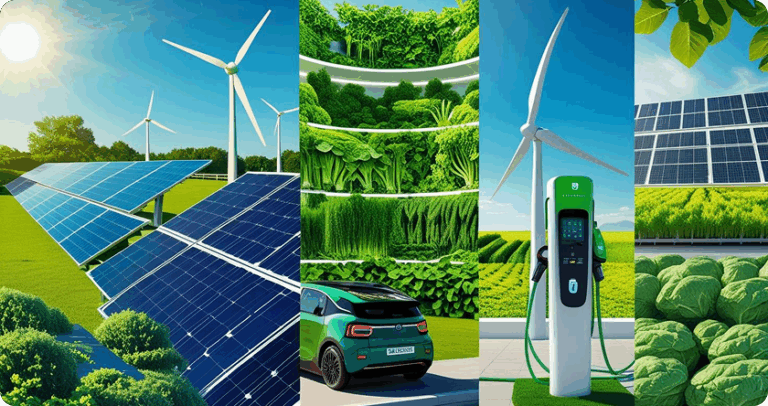
The impact of pollution is not hidden—it is visible in hazy skylines, rising health concerns, and stricter regulations. People want solutions that allow mobility without compromise, and the future of electric vehicles answers that demand. Zero tailpipe emissions, when paired with renewable energy sources, create an opportunity to rebuild cities into cleaner, healthier places to live. EV adoption here is not about prestige or novelty; it is about reclaiming the right to breathe freely in our own neighborhoods.
Convenience Must Feel Effortless
Cost and environmental benefits matter, but they are not enough on their own. People expect cars to be as innovative and seamless as the rest of their connected lives. This is where electric vehicle innovations make the decisive difference. Faster charging, intelligent routing, and home charging solutions turn anxiety into confidence and complexity into convenience. When technology works quietly in the background, it transforms EV ownership from a bold statement into an everyday reality.
Charging Infrastructure: From Bottleneck to Backbone
The promise of the future of electric vehicles often collides with a frustrating reality—charging is not yet as seamless as refueling. Long waits, scarce stations, and compatibility issues make many drivers hesitate before making the switch. This is the bottleneck that slows down adoption. But here lies the breakthrough: new electric vehicle innovations in charging technology are transforming what once felt like a limitation into the very backbone of the EV revolution.
Why Accessibility Matters More Than Speed
Drivers are not just looking for ultra-fast charging; they want reliable access wherever they go. A station that is nearby and available often feels more valuable than one that promises record-breaking charge times but is hard to find. Expanding the grid of charging points, from highways to neighborhood hubs, makes the future of electric cars practical for daily life. Accessibility ensures confidence, and confidence accelerates adoption.
Smarter Charging for Smarter Cities
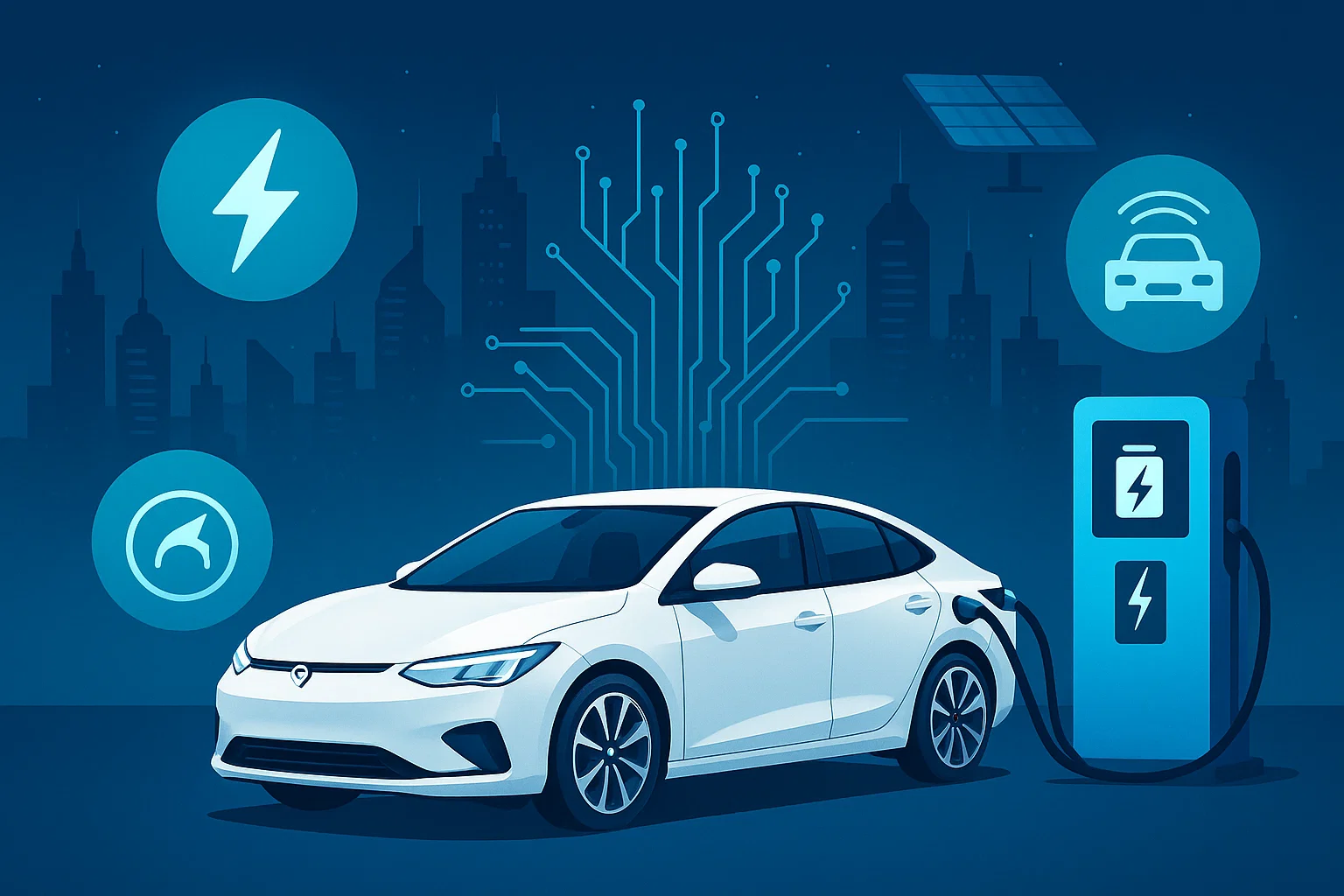
Infrastructure is no longer about cables and plugs; it is about intelligence. Smart grids balance demand, prevent blackouts, and even allow cars to return energy to the network when needed. For city planners, this means EVs are not just vehicles but mobile energy partners. These electric vehicle innovations turn charging into a conversation between cars, homes, and utilities, creating a loop of efficiency that benefits everyone.
The Race Toward Faster, Frictionless Charging
Speed still matters, especially for long-distance travel. Ultra-fast chargers, wireless pads, and battery-swap models are rewriting expectations. Drivers want the experience to feel effortless—minutes instead of hours, convenience instead of compromise. As automakers and energy providers compete to reduce downtime, the future of electric vehicles looks less like waiting in line and more like continuous mobility.
Partnerships Powering the Expansion
No single automaker or government can solve the charging puzzle alone. Strategic partnerships between car manufacturers, tech innovators, and energy companies are rapidly scaling infrastructure. These collaborations transform isolated projects into national and even global networks. By combining resources and expertise, they turn the bottleneck of limited charging into the backbone of a sustainable, connected future.
With infrastructure racing to catch up, the focus shifts to the technology inside the vehicles themselves—the breakthroughs that make EVs smarter, stronger, and more desirable with every new model.
Technological Advancements Driving Electric Vehicle Innovations
The future of electric vehicles rests not only on ambition but on the technology powering them. Each breakthrough brings the industry closer to solving the concerns that once slowed adoption—long charging times, limited range, high costs, and performance doubts. These electric vehicle innovations are more than engineering milestones; they are the foundation of trust, confidence, and desire that make the future of electric cars irresistible to drivers and profitable for manufacturers.
Batteries That Unlock Real Freedom
For years, battery anxiety defined the EV conversation. Would the car last the journey, or would the driver be left stranded? Advancements in solid-state batteries, higher energy density, and faster charging cycles are rewriting the narrative. Longer range, quicker top-ups, and extended lifespan transform batteries from a limitation into a competitive advantage. This evolution is what makes the future of electric vehicles not just practical but liberating.
More innovative Software, Smarter Driving
Cars are no longer judged only by engines and wheels. Intelligence is the new horsepower. EVs now integrate predictive maintenance, AI-driven efficiency, and connected dashboards that adapt to drivers in real time. These electric vehicle innovations redefine what it means to own a car—turning machines into companions that think, learn, and optimize every journey. Innovative software does not just add features; it builds confidence in reliability and ease.
Safety Reinvented Through Innovation
Performance is important, but safety is non-negotiable. EV manufacturers are embedding advanced driver-assistance systems, regenerative braking precision, and AI-powered hazard detection. These features meet rising consumer expectations for security while proving that the future of electric cars can outperform traditional vehicles in protecting lives. Safety technology not only reassures hesitant buyers but also elevates EVs into the premium standard for automotive trust.
Beyond the Vehicle: Integration with Everyday Life
The most powerful change is how EVs extend beyond the driver’s seat. Vehicle-to-home (V2H) and vehicle-to-grid (V2G) technology turn cars into energy storage units, powering households or feeding electricity back to the grid. This blurs the line between transport and lifestyle, making the future of electric vehicles inseparable from how we live, work, and consume energy. EVs stop being cars and start becoming central players in the broader ecosystem of modern life.
These technological leaps are rewriting consumer expectations and industry standards alike. But the real question is what comes next—how manufacturers will scale these breakthroughs and reshape the global market in the years ahead.
Future Projections for Electric Vehicle Manufacturers
The race is no longer about whether to build EVs—it is about how fast manufacturers can scale them without losing ground to competitors. The future of electric vehicles depends on bold strategies from automakers balancing innovation, affordability, and global regulations. Those who adapt quickly will lead new markets; those who hesitate risk fading into irrelevance. What happens in the next decade will decide who defines the future of electric cars and who gets left behind.
Scaling Production Without Sacrificing Quality
Automakers face a challenge: how to meet soaring demand while keeping EVs reliable and cost-effective. Factories are being retooled, supply chains rebuilt, and new materials introduced to reduce costs without compromising safety. The shift is not just about making more cars; it is about making better cars at scale. For manufacturers, this balance is what secures trust in the future of electric vehicles.
Global Expansion and Market Competition
The market is no longer limited to early adopters in Europe or North America. Asia, Latin America, and Africa are fast-emerging battlegrounds where affordability and accessibility dictate adoption. Automakers investing in localized production and regional infrastructure are positioning themselves for long-term dominance. The future of electric cars will be written in these competitive landscapes, where innovation must meet diverse consumer needs.
Regulatory Pressures and Policy Shifts
Governments worldwide are setting deadlines for phasing out combustion engines, offering incentives for EV purchases, and demanding stricter sustainability measures. Automakers must align with these policies or risk penalties and shrinking markets. This makes regulatory adaptation as important as engineering. Compliance is no longer optional; it is the passport to survival in the electric vehicle innovations era.
Partnerships Defining the Next Decade
No automaker can win this race alone. Collaborations with tech firms, battery manufacturers, and energy providers are shaping the backbone of EV success. Partnerships accelerate innovation, reduce costs, and speed up infrastructure deployment. In many ways, the future of electric vehicles belongs not to individual brands but to ecosystems built on shared expertise and resources.
These projections reveal more than business strategies; they show how the entire automotive industry is being rewritten. The journey is far from over, and the next chapter will determine not only who leads but how society drives, lives, and connects in a cleaner, smarter world.
Unlocking the Future of Electric Cars
The story of EVs is more than technology—it is transformation. From cutting costs and clearing the air to rethinking what a car can be, the future of electric vehicles is being built step by step through innovation, infrastructure, and bold manufacturer strategies. The challenges are real, but so are the solutions, and momentum is already unstoppable. What lies ahead is not just the future of electric cars but the future of mobility itself—cleaner, smarter, and more connected than ever before.
FAQs
What are the biggest myths about electric vehicles that still need debunking?
How do electric vehicles impact long-term car ownership costs?
What role does renewable energy play in the future of electric vehicles?
Can EV batteries be recycled or repurposed?
How will electric vehicles influence jobs in the automotive industry?