










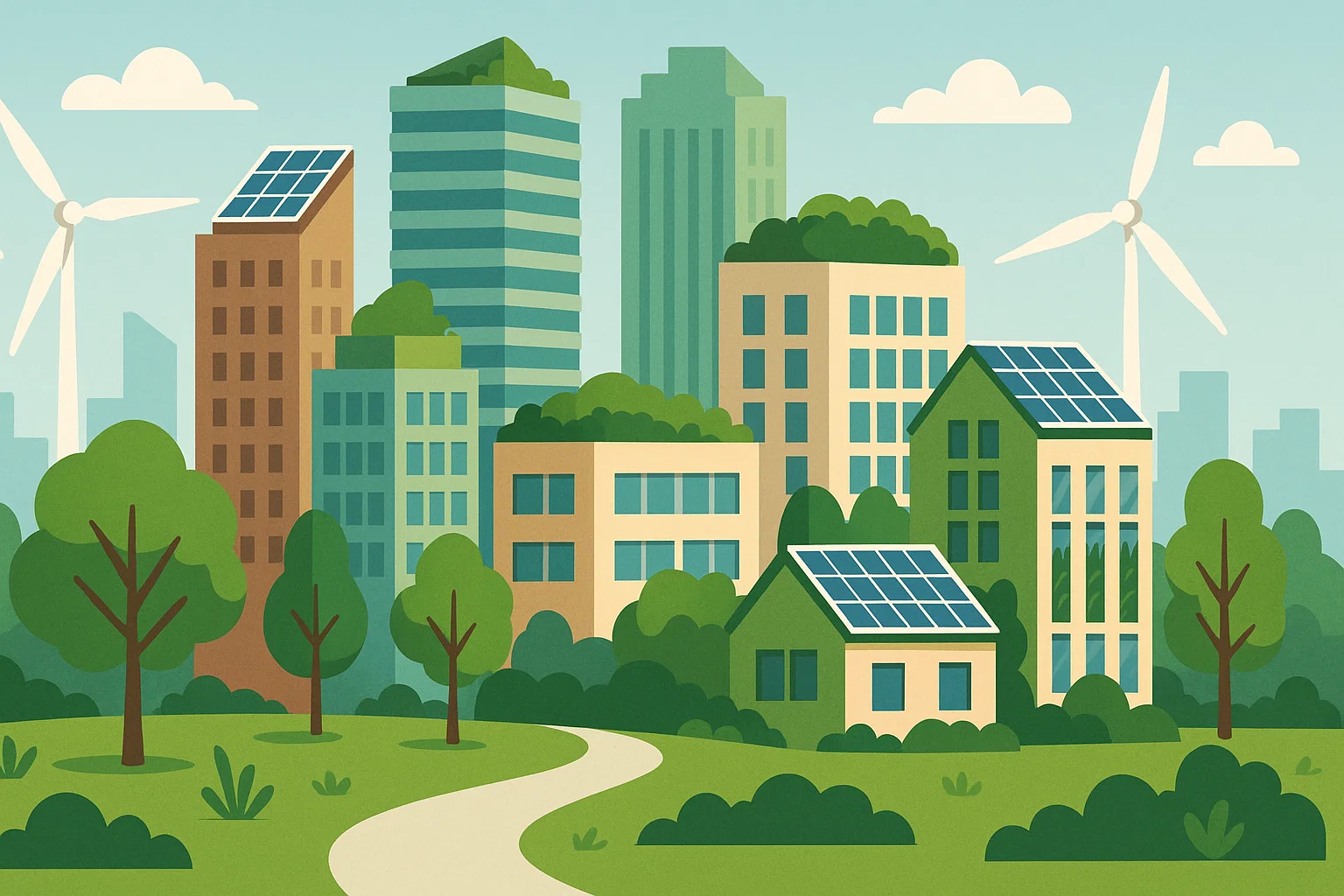

Sustainable real estate is no longer a fringe concept — it’s the foundation of modern development. Think of it like planting a tree in a city. While it may seem like a small gesture today, over time it offers shade, purifies the air, regulates temperature, and adds value to its surroundings. Similarly, sustainable buildings may begin as thoughtful investments — but they grow into resilient, cost-effective, and future-ready assets.
This shift is no longer speculative — it’s accelerating.
According to the World Green Building Council, buildings currently account for approximately 39% of global energy-related carbon emissions — about 28% from operational energy use and 11% from material production and construction. This isn’t just a matter of inefficiency — it reveals a systemic drain on both the environment and the financial performance of real estate assets.
The same report highlights that green buildings deliver lower lifetime operational costs, improve occupant health, and command higher asset value through better marketability and rental premiums.
These figures aren’t abstract — they reflect a decisive industry shift.
Developers, architects, and investors increasingly see sustainable real estate not as a luxury or niche, but as the new baseline for future-proof development.
Buyers want homes that are healthier, more efficient, and aligned with their values. Regulators are enforcing stricter environmental standards. Forward-thinking investors are pursuing long-term returns through low-risk, eco-conscious portfolios.
Sustainability is no longer a buzzword — it’s the blueprint for resilient, responsible, and profitable property development.
What is Sustainable Real Estate?
Sustainable real estate refers to the development of buildings that minimize environmental impact while maximizing energy efficiency, resource conservation, and occupant well-being. At its core, it integrates energy efficiency, water conservation, sustainable materials, and environmentally responsible construction practices.
Definition and Principles of Sustainable Buildings
Sustainable real estate is about more than just energy-efficient appliances or rooftop solar panels — it’s a philosophy that integrates environmental, economic, and social responsibility into every aspect of property development. These buildings are intentionally designed to reduce carbon emissions, use natural resources wisely, and promote the health and comfort of those who live or work within them. At their core, sustainable buildings emphasize energy efficiency, water conservation, non-toxic materials, and a smaller overall environmental footprint. They are created not just to meet today’s needs, but to endure and thrive amid tomorrow’s challenges — economically viable, environmentally sensitive, and people-centric.
Key points:
- Focuses on long-term environmental and economic balance
- Uses renewable or low-impact materials and technologies
- Supports healthier indoor environments for occupants
Green Buildings vs. Traditional Developments: Key Differences
The difference between traditional and green buildings lies not just in appearance, but in intent and impact. Traditional developments are often driven by cost, speed, and surface-level aesthetics, which can result in higher energy consumption, inefficient layouts, and unsustainable materials. In contrast, sustainable (green) buildings are designed with a purpose — optimizing performance, reducing waste, and enhancing the user experience. They incorporate passive design strategies, renewable energy sources, and eco-friendly construction practices that reduce operating costs and environmental burden over time. While they may require higher initial investment, they deliver lasting returns through efficiency, compliance, and market appeal.
Key points:
- Green buildings prioritize performance, not just price
- Reduced energy and water usage compared to conventional buildings
- Built for resilience, durability, and long-term savings
Lifecycle Approach: Design, Construction, Operation, and Maintenance
Sustainability isn’t a one-time decision; it’s a continuous process embedded throughout a building’s lifecycle — from blueprint to demolition. In the design phase, choices are made to optimize orientation, ventilation, and daylight. During construction, strategies focus on reducing waste, choosing low-impact materials, and minimizing disruption to the environment. Once built, the operational phase ensures energy systems, water usage, and indoor environments are managed efficiently, often with innovative technologies. Finally, at the end of life, a truly sustainable building considers reuse, recycling, or minimal-impact deconstruction. This lifecycle thinking ensures not just compliance, but true long-term sustainability.
Key points:
- Sustainability begins at the planning table — not post-construction
- Smart tech and proactive maintenance sustain performance.
- End-of-life planning reduces future environmental cost.s
If you’re beginning a new project, map out a Sustainability Timeline — from design to operation. This helps identify where sustainable choices can make the most significant impact across the building’s lifecycle.
Drivers Behind the Green Movement
The momentum behind sustainable real estate isn’t just a trend — it’s a multifaceted response to global urgency. As climate risks intensify and energy costs fluctuate, the real estate industry is being reshaped by a blend of ecological accountability, regulatory pressure, and evolving market demands. Sustainability has moved from being a ‘nice-to-have’ to a strategic imperative. Developers, investors, and residents alike are rethinking how buildings are designed, built, and valued — with environmental performance now directly influencing reputation, resilience, and returns.
Environmental Impact of the Construction Industry
The construction and real estate sectors are among the most significant contributors to global greenhouse gas emissions, accounting for nearly 40% of total carbon output. From material extraction to energy use in completed buildings, the industry exerts immense pressure on natural resources and ecosystems. Sustainable real estate is a direct response to these environmental costs — aiming to reduce emissions, prevent resource depletion, and create healthier environments for all. With climate change accelerating, the urgency to transform how we build and operate our spaces is not just about corporate responsibility, but environmental survival.
Key points:
- Construction heavily impacts carbon footprint and waste generation
- Sustainable design minimizes long-term ecological damage.
- Green practices help mitigate climate risks and enhance resilience.
Government Regulations and Climate Policies
Governments around the world are rapidly introducing stricter building codes, sustainability standards, and incentives to accelerate green construction. Policies like LEED (Leadership in Energy and Environmental Design), BREEAM, and India’s GRIHA system offer frameworks for compliance and certification. In many regions, green buildings benefit from tax credits, expedited permits, or funding support. These regulations are not just compliance checkboxes; they signal a shift in how nations define responsible development. Developers and investors who align with these frameworks gain competitive and regulatory advantages in a landscape where environmental performance is increasingly non-negotiable.
Key points:
- Green codes and certifications are becoming mainstream
- Governments reward sustainable development through incentives.
- Non-compliance may lead to regulatory delays or penalties.
Changing Buyer and Investor Preferences
Homebuyers, tenants, and investors are becoming more selective — placing growing value on sustainability, wellness, and environmental impact. Millennials and Gen Z, in particular, expect eco-conscious design, energy-efficient systems, and green amenities as standard. Investors are also prioritizing ESG (Environmental, Social, Governance) metrics when evaluating real estate portfolios, with green-certified properties enjoying higher occupancy rates and long-term returns. The market is no longer just cost-driven — it’s value-driven, where sustainability plays a crucial role in both consumer decision-making and asset appreciation.
Key points:
- Eco-conscious buyers demand smart, efficient homes
- Green properties attract higher ROI and market demand
- ESG factors increasingly drive real estate investments
Track market trends and buyer demographics in your region. Aligning your next project with emerging sustainability preferences can enhance both sales velocity and long-term brand value.
Benefits of Sustainable Property Development
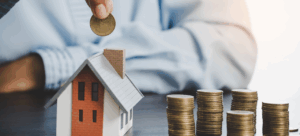
Choosing sustainable property development is not just a responsible choice but a profitable one. More developers, investors, and communities are recognizing that sustainable real estate offers long-term value, reduced risks, and a future-ready approach that traditional projects cannot match.
Some undeniable benefits include:
- Lower energy costs through efficient designs and renewable energy integration.
- Higher property values and ROI are achieved as eco-conscious buyers increasingly prefer sustainable real estate development.
- Healthier living environments with natural light, clean air, and eco-friendly building materials.
- A stronger reputation and trust are fostered as sustainability in real estate becomes a key decision factor for investors and tenants.
Beyond the immediate financial gains, sustainable property development creates resilience in a market shaped by climate concerns and regulatory changes. While traditional developments often struggle with rising operational expenses, eco-friendly buildings thrive by aligning with incentives, green financing, and stricter compliance standards.
The actual value, however, lies in how sustainable real estate development transforms properties into enduring assets—spaces that benefit people, the planet, and profits alike. And as we move ahead, the conversation is no longer about if we should embrace sustainability in real estate, but how fast we can adapt to lead the future of property development.
Technologies Powering Sustainable Construction
The evolution of sustainable real estate development is not just about architectural design; it is about the innovative use of technology that transforms how properties are built, powered, and maintained. These innovations help developers cut costs, improve efficiency, and create living spaces that appeal to buyers who value sustainability in real estate. By exploring the technologies shaping construction, you will see how the future of property development is being redefined and why adapting now ensures long-term growth.
Use of Renewable Energy Sources like Solar and Wind
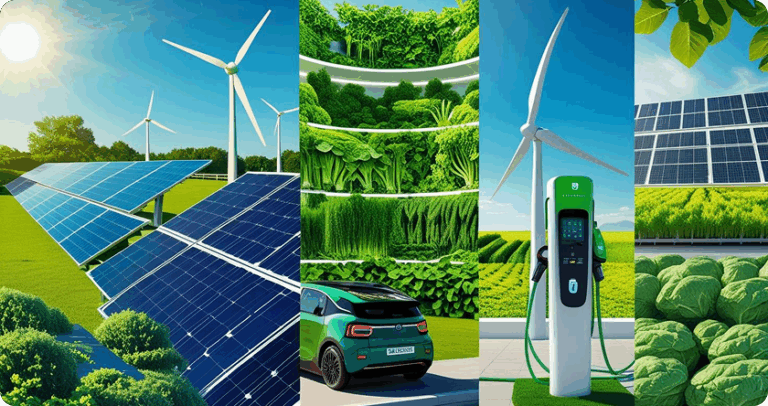
Energy is at the heart of construction costs, and traditional models often leave property owners dependent on volatile utility prices. The use of renewable energy, such as solar panels and wind systems, provides both cost stability and environmental benefits. Developers incorporating these sources into sustainable real estate projects are gaining a competitive advantage by reducing dependency on fossil fuels and offering buyers lower utility bills.
For investors, the integration of renewable energy is no longer optional; it is a key driver of sustainable property value. As government incentives and consumer expectations rise, projects powered by clean energy are seen as forward-looking and resilient. And this shift naturally flows into the broader discussion of innovative technologies shaping how we consume and conserve energy in our living spaces.
Smart Home Technologies and Energy-Efficient Systems
Modern buyers want homes that work for them, not the other way around. Smart home technologies and energy-efficient systems make this possible, turning regular buildings into intelligent spaces that conserve energy without compromising comfort. From automated lighting to advanced HVAC systems, these solutions help property owners cut costs while appealing to tech-savvy buyers.
The real value lies in how such technologies strengthen sustainable real estate development. A home that can automatically optimize energy usage, reduce waste, and track consumption becomes a long-term asset for both investors and residents. When combined with renewable energy, these systems redefine sustainability in real estate, ensuring smarter living and higher resale value. Moving forward, the materials used in construction are equally critical in shaping eco-friendly development.
Sustainable Building Materials and Modular Construction
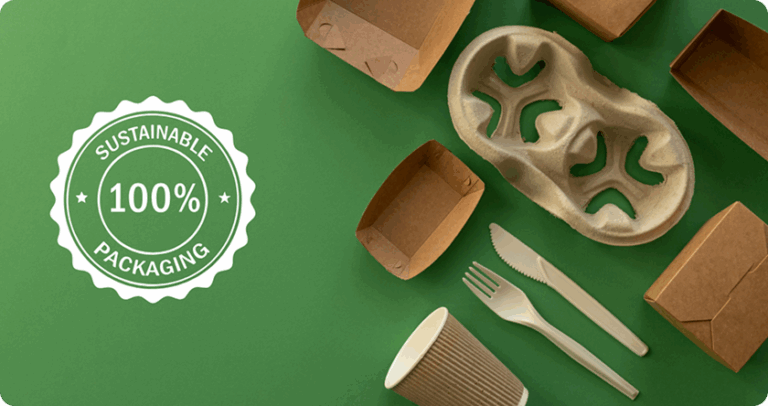
The foundation of sustainable construction is built on the right materials. Developers are shifting from resource-heavy methods to eco-friendly building materials like recycled steel, bamboo, and low-carbon concrete. These choices not only reduce the environmental footprint but also improve durability and efficiency.
Equally transformative is modular construction, where prefabricated components are created off-site and assembled with minimal waste. This method accelerates project timelines while ensuring precision and quality. In the context of sustainable real estate, modular approaches allow developers to scale projects faster, meet green certifications, and appeal to markets where efficiency and eco-conscious design are in demand.
Together, innovative materials and modular techniques showcase how sustainability in real estate is evolving from concept to measurable impact. And this naturally leads us into the next dimension—how these technologies and practices create not just buildings, but communities designed to thrive for generations.
These technologies not only reduce environmental footprint but also create intelligent living spaces.
Green Certifications and Standards to Know
For developers and investors, certifications are more than badges—they are proof that a project meets the highest benchmarks of sustainability in real estate. These standards give confidence to buyers, strengthen brand credibility, and position projects as responsible investments in the fast-growing market of sustainable real estate development. Each certification highlights different aspects of performance, from energy efficiency and water use to occupant wellness, offering both environmental and financial advantages.
LEED (Leadership in Energy and Environmental Design) – Global Gold Standard
- Recognized worldwide as the benchmark for sustainable real estate
- Evaluates energy efficiency, water usage, material sourcing, and indoor air quality
- Boosts property value and attracts eco-conscious buyers and investors
- Demonstrates global environmental responsibility and operational cost savings
BREEAM (UK-based) – Focuses on Lifecycle Sustainability
- Widely adopted in the UK and across Europe
- Measures sustainability across the full lifecycle of a building
- Covers water management, waste reduction, and ecological impact alongside energy use
- Builds trust by showcasing accountability in sustainable real estate development.
IGBC (India) – Designed for Regional Environmental Conditions
- Tailored to India’s diverse climate and urban challenges
- Focuses on energy efficiency, water conservation, and sustainable materials
- Aligns with local government incentives and eco-housing demand
- Strengthens a developer’s reputation in emerging sustainable real estate markets
WELL Certification – Focuses on Occupant Health and Wellness
- Prioritizes human health alongside sustainability in real estate
- Assesses air quality, lighting, comfort, and overall wellness of occupants
- Adds value by ensuring buildings enhance productivity and satisfaction
- Differentiates projects by blending environmental goals with occupant well-being
Global Success Stories in Sustainable Real Estate Development
One striking example comes from Bo01 in Malmö, Sweden. Bo01 was developed around 2001 in the Western Harbour area (Västra Hamnen) as a prototype for sustainable urban planning. Developers aimed for the neighborhood to showcase what sustainability in real estate could really mean: everything from buildings powered by renewable sources (solar, wind, heat pumps) to a strong emphasis on green public spaces, water features, and pedestrian-friendly design. The planning included high-quality urban design, mixed-use development (residential, services, recreational), and infrastructure to reduce dependence on cars. While Bo01 initially set ambitious energy goals that were not fully met, its legacy lies in setting new benchmarks for energy efficiency, integrated transport, and holistic environmental design in sustainable real estate development.
Moving from Sweden to Australia, another compelling case is The Ecovillage at Currumbin in Queensland. Built on degraded farmland, this project is master planned as a model of ecological restoration and low-impact living. Around half the site is preserved as an environmental reserve, and the homes are designed for high energy ratings, water autonomy, and low environmental impact. This community demonstrates how sustainable real estate development can transform previously marginal land into a thriving, nature-rich, and health-oriented living area. It proves that going green is not just about fancy technology, but about restoring ecosystems, designing for people and the climate, and embedding environmental responsibility from day one.
Both of these case studies illustrate how sustainable real estate is more than buzzwords; it brings real gains in livability, value, brand, and environmental benefit. In the next section, we’ll see how these lessons map to cost, return on investment, and policy frameworks so you can apply them in your own projects.
Uncovering the Myths and Real Challenges of Going Green
The journey toward sustainability in real estate is not without doubts and misconceptions. While many see the benefits of sustainable real estate development, others hesitate because of outdated beliefs. By addressing these myths head-on, developers, investors, and buyers can see the bigger picture: going green is not a burden but an opportunity to build smarter, healthier, and more profitable spaces.
The Cost Myth – Why Green Projects Pay Back More
The most common myth is that sustainable real estate costs far more than traditional projects. While the upfront investment may seem higher, the long-term returns tell a different story. Lower energy bills, reduced maintenance expenses, and higher resale value make eco-friendly developments financially stronger in the long run. Buyers are also willing to pay premiums for homes and offices that offer energy efficiency and healthier living spaces. When viewed through lifecycle costs, sustainable real estate development is not an expense—it is a long-term investment that pays back multiple times over.
The Materials Myth – Expanding Green Supply Chains
Not long ago, sourcing green materials felt like a niche challenge. Today, the story is different. From recycled steel and bamboo to low-carbon concrete and innovative insulation, the supply chain for eco-friendly products has expanded across global and local markets. Developers focusing on sustainability in real estate can now access competitive suppliers who deliver at scale and at cost. With rising demand, sustainable materials are no longer rare—they are becoming the standard for new projects.
The Creativity Myth – Innovation Through Sustainability
Some assume that green building means dull, boxy, or limited design choices. In truth, the opposite is happening. Sustainable real estate development sparks innovation by encouraging architects and designers to think differently—integrating daylight, natural ventilation, modular construction, and biophilic design into projects. Instead of limiting options, sustainability opens doors to new possibilities that merge aesthetics with performance.
Turning Challenges into Opportunities – Smarter Decisions for Developers
Each misconception about sustainability in real estate reveals an opportunity for a sharper strategy. By shifting perspective—from cost concerns to lifecycle value, from material scarcity to supply growth, from creative limits to innovative design—developers and investors gain clarity on the real advantages of going green. The truth is, sustainable development is not a hurdle but a pathway to more thoughtful decisions, more substantial returns, and a future-proof portfolio.
The Investor’s Perspective: ROI of Sustainability
For investors, the appeal of sustainable real estate goes far beyond environmental responsibility—it translates into more substantial financial returns, reduced risks, and long-term market resilience. Sustainable real estate development has proven to outperform traditional projects by delivering consistent value to both developers and stakeholders. Understanding the return on investment through real-world benefits helps investors see why sustainability in real estate is not a cost, but a growth strategy.
Higher Occupancy and Retention Rates
One of the most apparent advantages of investing in sustainable real estate is the demand it creates. Tenants are increasingly drawn to buildings with eco-friendly features, whether it is energy efficiency, innovative technology, or healthier indoor environments. This results in faster lease-ups, lower vacancy periods, and stronger retention rates. From an investment standpoint, higher occupancy means predictable cash flow and reduced turnover costs—two essentials for building a stable portfolio.
Lower Utility and Maintenance Costs
Operating costs make or break a property’s profitability. With sustainable real estate development, buildings are designed to consume less energy, conserve water, and require fewer repairs over time. This translates into significant savings in utility bills and long-term maintenance. For investors, this efficiency directly boosts net operating income, which in turn raises asset value. Lower expenses, higher margins—it is a straightforward formula that highlights why green buildings are financially sound.
Increased Tenant Satisfaction and Brand Value
Satisfied tenants stay longer and pay more. Properties built with sustainability in real estate principles deliver healthier, more comfortable environments that directly improve tenant satisfaction. Natural light, clean air, and efficient layouts enhance well-being, creating a strong emotional connection with the space. Beyond tenants, investors also gain brand value—positioning themselves as leaders in responsible, future-focused investments. This reputation not only attracts tenants but also opens doors to premium partnerships.
Reduced Regulatory Risk and Access to Green Financing
Governments worldwide are tightening environmental regulations, and properties that fail to meet these standards risk fines, retrofitting costs, or even declining valuations. Sustainable real estate development mitigates these risks by staying ahead of compliance requirements. At the same time, green projects often qualify for favorable financing, ESG-focused investment funds, and tax incentives. For investors, this dual benefit—reduced regulatory exposure and better financing access—makes sustainable projects an even more compelling proposition.
Green properties also face less regulatory risk and often enjoy better access to green financing and ESG funds.
How Developers Can Start the Transition Today
The shift toward sustainable real estate development does not require an overnight transformation. Even small, practical steps can put developers on the path to long-term value creation, stronger compliance, and healthier communities. By taking action now, projects not only become future-ready but also more attractive to investors, tenants, and regulators.
Begin with Energy Audits for Smarter Decisions
Understanding where energy is wasted is the first step to improvement. Conducting energy audits on existing or planned properties helps developers identify inefficiencies in lighting, HVAC systems, and building insulation. These insights make it easier to reduce costs while boosting efficiency. For anyone entering sustainable real estate, energy audits act as a roadmap—highlighting opportunities for upgrades that deliver immediate savings and long-term sustainability. Once you have clarity on energy performance, the next step is to bring in the right expertise.
Partner with Green Consultants and Architects
Expert guidance transforms vision into measurable results. Hiring consultants and architects who specialize in sustainability in real estate ensures that every decision—materials, layouts, systems—is aligned with best practices. These professionals understand evolving green standards, certification requirements, and cost-efficient strategies, helping developers avoid missteps and maximize ROI. Collaborating with experts not only strengthens the design process but also builds credibility with investors and stakeholders. With expert support in place, developers can then move into gradual yet impactful upgrades.
Plan Phased Upgrades for Cost Efficiency
One barrier to adopting sustainable real estate development is the perception of high upfront costs. The solution lies in phased upgrades. By tackling improvements step by step—such as switching to LED lighting, integrating smart thermostats, or adding renewable energy systems—developers can spread investment over time without sacrificing results. This phased approach makes sustainability financially manageable while steadily increasing property value. More importantly, it ensures that projects remain competitive and future-ready as market expectations evolve.
Conclusion
Sustainable real estate is not a niche promise; it is a practical roadmap for better assets and better cities. The case for sustainable real estate development is clear across the lifecycle, from more innovative design and efficient operations to healthier interiors and stronger cash flows. Certifications build trust, technology trims waste, and investor outcomes benefit through higher occupancy, lower costs, and resilient valuations. Start with audits, bring in green expertise, phase the upgrades, then let performance speak for itself. When teams align around sustainability in real estate, projects stop chasing compliance and start compounding value for people, planet, and profit.
FAQs
What financing options exist for sustainable real estate beyond standard loans?
How can I accurately measure ROI on sustainability initiatives using real data, rather than estimates?
Is retrofitting an older building worth it compared to building new?
How do appraisers value green features in practice?
What is the role of embodied carbon, and how can developers reduce it?