
















Scaling your startup is no small feat. It takes courage, ambition, and a willingness to learn from every twist and turn along the way. In 2025, startups face exciting new opportunities alongside fresh challenges. The pace of change is faster than ever, driven by breakthrough technologies, evolving customer expectations, and global trends that reshape the landscape almost overnight. Recent reports show that over 60% of startups aim to scale within their first three years, but only one in four reach their growth milestones. What sets the ones that soar apart from those that stall?
This blog is here as a practical, caring guide—whether you’re leading a team, juggling multiple roles yourself, or mentoring the next generation of innovators. You’ll find straightforward advice, encouragement, and actionable steps you can trust. Together, let’s explore how to set your startup up not just to grow, but to thrive truly.
The Evolution of Scaling Startups in 2025
As your startup begins to consider scaling, the conversation within senior leadership inevitably shifts. It’s about how to grow responsibly, integrate diverse expertise, and position your team for a future that will look very different from years past. Leaders today must possess not only sharp business acumen but also a readiness to adapt, to champion sustainability, and to nurture an inclusive, globally-aware culture.
What’s changed?
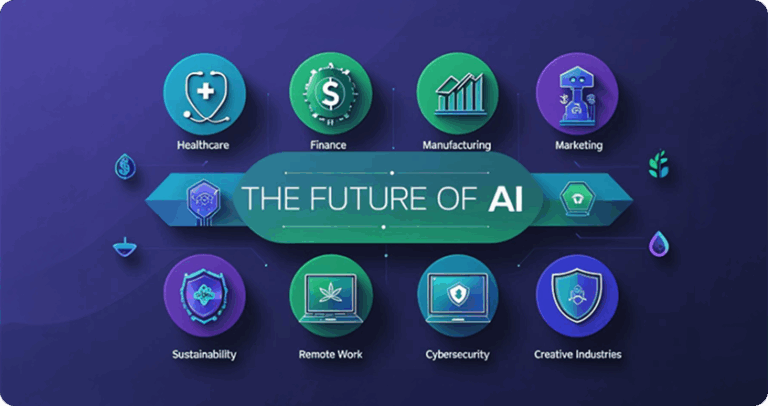
- First, scaling startups is now powered by technology at a pace hardly imaginable even a few years ago. As of 2025, 78% of organizations have implemented some form of AI, and 89% of enterprises are actively advancing their AI initiatives.
- The way we work has also transformed. Remote and hybrid models have become the new backbone to attract top talent from around the world, and boost productivity, mental health, and even reduce carbon footprints. In the U.S., over 32 million people now work remotely, expressing a preference for hybrid work setups.
- Customer centricity and personalization are necessities. The rise of data analytics, advanced CRM tools, and AI-driven insights means customers now expect brands to anticipate and meet their needs in real time. Some 96% of digital professionals agree that personalization is key to delivering high-quality customer experiences.
- Sustainability and ESG (environmental, social, and governance) factors have also become new benchmarks for success. Not only do 98% of S&P 500 companies now report on CSR or sustainability, but 76% believe strong CSR efforts are crucial for protecting brand reputation.
With all these advances comes greater complexity for founders. Modern startup leaders must abide by the fast-changing regulations, balance rapid innovation with ethical responsibility, and foster connected teams across continents and cultures.
Laying the Foundation for Business Expansion
Before dreaming big, it’s crucial to focus on getting the basics right. For any business aiming for sustainable growth, four fundamental pillars matter most: product-market fit, metrics and KPIs, and a resilient business plan. Build on these, and your expansion efforts will stand tall even when the environment shifts.
Validating Product-Market Fit and Core Business Model
No amount of ambition can substitute for genuine demand. Success starts with validating that your product or service meets a real need for a real audience. Continuous feedback and honest self-assessment help ensure you’re solving the correct problems, not just hoping there’s a market. It’s about being humble enough to pivot and refine, even after early wins.
Establishing Clear, Data-Driven Metrics and KPIs
Once you know you have something worth scaling, the next step is to measure what matters. Setting clear, relevant KPIs gives focus to your growth journey. Whether it’s boosting customer retention or improving conversion rates, data turns guesswork into strategy. Startups that continually track and adapt their core metrics are more likely to reach their expansion goals compared to those that don’t.
Building a Resilient Business Plan That Anticipates Change
A business expansion plan should be a living, breathing roadmap. True resilience comes from planning for uncertainty. Consider your key assumption shifts in light of the ever-evolving market. The most effective business expansion plans set out clear ambitions but also include backup strategies, regular reviews, and room to respond as the world changes.
The Significance of Effective Cash Flow Management
Sustainable scaling relies on healthy financials. A clear understanding of unit economics—what it truly costs to deliver each product or service, and what you earn in return—is essential. Pair this with disciplined cash flow management. Startups that run out of cash are responsible for nearly 38% of failures. Regularly forecast, stress-test, and know your runway.
| For what it’s worth!!The most successful founders treat every scaling decision as a learning opportunity. Stay curious, invite feedback from every corner of the business expansion, and be open to pivoting when data reveals a better path. |
Funding, Resources, and Smart Capital
Securing the proper funding is a critical step in scaling your startup, and in 2025, the landscape offers more options and flexibility than ever. From micro VCs that focus on early-stage startups to hybrid models blending equity with revenue-sharing or venture debt, founders have tools to tailor funding to their unique needs. These new approaches align with shifts toward AI, sustainability, and innovative tech.
Timing your fundraising is just as important as the source. Wise founders wait until they’ve validated product-market fit, hit key milestones, and built strong financials before seeking investment. Sometimes, scaling with internal resources, or bootstrapping, can first strengthen your position and demonstrate discipline to investors.
Beyond the money, the fit between founders and investors matters most. A good investor isn’t just a cheque—they bring expertise, shared values, and long-term support when challenges arise. Modern digital tools simplify fundraising, connecting founders with relevant investors, automating outreach, and tracking progress—all helping you save time and focus on growth.
Finally, nurturing relationships with mentors, advisory boards, and early customers builds a support network that fuels both fundraising and growth. These connections add credibility, insight, and advocacy as you expand.
Building and Leading a High-Performance Team
A high-performance team is the core engine driving every startup’s scaling journey. Building such teams means embracing remote and hybrid work, which more than 65% of startups now adopt globally. This shift allows you to tap into a diverse, global talent pool beyond traditional locations. The rise of gig and fractional teams further enables startups to bring in specialized skills as needed, providing flexibility without long-term commitments.
Retaining top talent has become a strategic priority. Competitive salaries alone don’t cut it anymore. The most successful startups focus on fostering a strong culture, offering flexibility, and investing in upskilling. Purpose-driven leadership, inclusive work environments, and clear growth opportunities help keep your best people engaged and motivated.
When it comes to team structure, clarity in key roles is essential for sustainable growth. Whether it’s product management, operations, or customer success, each function plays a unique role in moving the startup forward. Cross-functional collaboration—especially between growth, marketing, and product teams—drives innovation and keeps everyone aligned.
To lead effectively in this new era:
- Practice transparent communication to build trust across remote and diverse teams
- Engage in active listening and mentorship to support individual and collective growth
- Create a vision that empowers team members and encourages ownership
Ultimately, combining flexible structures with compassionate, people-first leadership sets the stage for both growth and long-term success.
Smart Operations and Scalable Systems
Automating repetitive tasks saves time, freeing your team to focus on creativity, strategic growth, and problem-solving. Today’s startups lean heavily on cloud-based SaaS platforms and CRMs, which provide scalable, cost-effective solutions that grow with the business and reduce operational complexity. Choosing the right tech stack is a strategic decision. Leading tools like Salesforce, HubSpot, and Zoho CRM enable startups to manage customer relationships fluidly at scale. Cloud infrastructure ensures your systems remain reliable and resilient, allowing your operations to adapt quickly to market changes without disruption. The ability of these platforms to seamlessly integrate with other apps builds a connected ecosystem, fueling efficiency and innovation across teams.
Strong, adaptable IT and operational systems are essential for future-proofing your startup. Scalability means creating flexible architectures that support smooth pivots when new opportunities or challenges arise. At the same time, robust cybersecurity safeguards your data integrity and builds essential trust with customers and partners.
Data-driven decision-making transforms scaling from fortunate guesswork into calculated progress. By establishing clear KPIs and performing regular performance reviews, startups uncover critical insights that fine-tune their strategies, improve processes, and elevate outcomes. This continuous feedback loop ensures growth is intelligent and sustainable, not just rapid.
Expanding Markets and Going Global
Startups that are aiming to scale can reap enormous benefits by expanding both domestically and internationally. Domestic expansion offers familiarity and a stable launchpad, but international markets present new avenues for startup growth, diversified risk, and greater investor interest.
Strategic Market Selection and Local Adaptation
Strategic market selection should go beyond chasing size or hype. Analyzing cultural compatibility and local consumer preferences can prevent expensive missteps. Local adaptation is vital: what works at home may not land the same way abroad. Tailor your marketing, product features, and even your customer support to local languages, customs, and regulations.
Building Partnerships and Pilot-Driven Growth
Forging local partnerships is often the accelerator in unfamiliar markets. Collaborating with trusted distributors, suppliers, and expert consultants can give you on-the-ground insight, smoother entry, and a boost in credibility. These partners help bridge regulatory gaps, introduce you to target customers, and co-create community goodwill, offering a shortcut past common early barriers.
Key Steps for Successful Market Expansion:
- Conduct deep market research to identify fit and opportunities
- Customize your product and marketing to local preferences and regulations
- Build trusted local partnerships and networks
- Start with pilot programs to test the waters before full-scale rollout
- Monitor performance closely, and be ready to pivot as needed.
Rather than betting big from day one, top startups adopt a pilot-driven market entry approach. Start with targeted, small-scale launches to test assumptions, gather direct feedback, and refine your approach before investing heavily. Regularly monitor KPIs such as adoption rates, churn, and customer satisfaction in each new region, and be ready to pivot or pause if conditions shift.
Growth Strategies and Avoiding Common Pitfalls
Boosting startup growth in 2025 requires a thoughtful blend of product diversification, strategic partnerships, and continuous innovation. Diversifying your product or service offerings helps tap into new customer segments and reduces dependency on any single revenue stream. Meanwhile, building strong partnerships can accelerate access to markets, technologies, and customer bases. Innovation remains the heartbeat of sustainable growth. Constantly iterating on your product, business model, and customer engagement strategies allows you to stay ahead of changing market demands and competitors.
As you grow, maintaining high levels of customer experience and satisfaction is non-negotiable. Scaling should never come at the expense of the quality of your service or product. Investing in robust customer support systems, leveraging data to personalize experiences, and continually soliciting feedback helps ensure your growing customer base remains loyal and engaged.
With the growth comes some common pitfalls that can push you back. Here are some Startup Tips for 2025 to help avoid the Common Pitfalls When Scaling Your Startup.

Conclusion
Remember, scaling isn’t a finish line you rush toward. There will be surprises, hurdles, and moments where things move slower (or much faster!) than you expect. Wisdom in your choices, regular reflection on what’s working, and genuine care for your team and customers at every stage.
What sets the thriving startups apart is their willingness to pause, reflect, and adjust their course with compassion and confidence. Don’t underestimate the power of supporting your people and nurturing your culture alongside business strategy. Take care of your business, and it will take care of you.
So here’s your gentle nudge: Set goals that actually matter to you and your team, not just what sounds impressive in a pitch deck. Then choose one smart, deliberate step forward—big or small. Celebrate your progress. Own your learnings. And remember, you’re not alone on this journey.
With the right mix of courage, wisdom, and care, your startup can grow further than you imagined. Take a deep breath—and take that next step. You’ve got this.
FAQs
What are the key challenges startups face when scaling internationally?
How can startups effectively balance rapid growth with maintaining product quality?
What funding strategies are best suited for startups at different growth stages?
How do startups build resilience to market shifts during expansion?
What role does sustainable business practice play in startup growth strategies?