


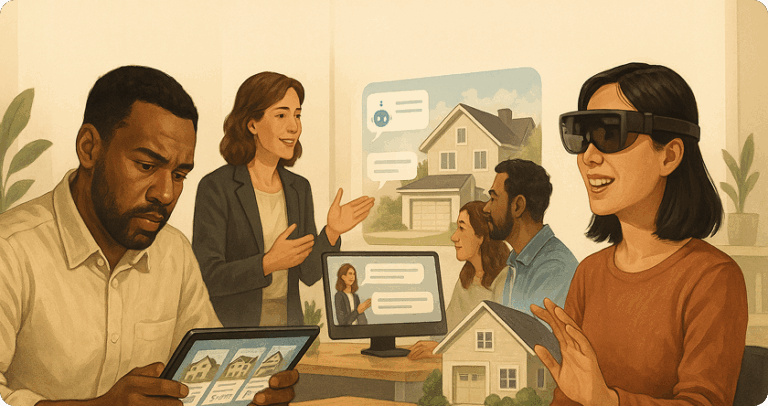








Trends in retail have never moved as rapidly as they do today, and 2025 marks a defining moment for the industry. Over the past decade, retail has transformed from being product-driven to becoming deeply consumer-centric, where personalization, accessibility, and experience hold as much weight as price and convenience. This shift is a reflection of changing consumer expectations that now drive every stage of the shopping journey.
In this environment, understanding consumer expectations is the foundation of success. Every touchpoint, from the initial online search to the in-store experience, checkout process, and post-purchase support, has become a critical opportunity to win or lose consumer trust. These interactions matter because today’s shoppers expect seamlessness, authenticity, and alignment with their values at every step. Retailers who fail to deliver consistency across these moments risk losing relevance in a marketplace where alternatives are always just a click away.
As we explore retail industry trends shaping 2025, one theme is clear: consumers are in control. Brands that listen, adapt, and innovate around these expectations will not only keep pace but also secure long-term loyalty in an increasingly crowded marketplace.
Key Consumer Drivers Shaping Trends in Retail
The most significant changes in today’s retail environment stem from fundamental shifts in consumer behavior and values. Shoppers are no longer satisfied with simply purchasing products; they seek experiences, connections, and brands that reflect their principles. Convenience remains essential, but it is now paired with expectations of transparency, authenticity, and ethical responsibility.
These expectations are being shaped differently across generations.
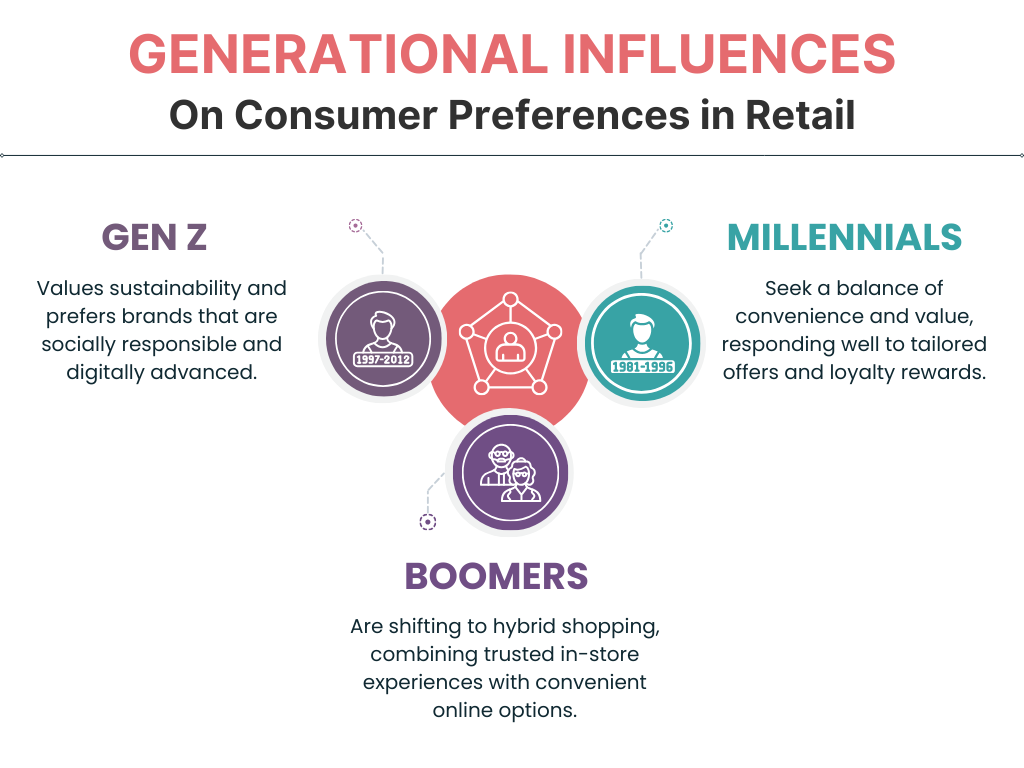
Each group’s distinctive values create a complex marketplace where one-size-fits-all strategies quickly fall short. Adding to this generational complexity are broader economic and social forces. Inflationary pressures, shifting job markets, and global uncertainties influence spending habits, while cultural movements around environmental responsibility and inclusivity alter how consumers assess brand relevance.
Together, these factors explain why retailers must not only track evolving preferences but also interpret the deeper motivations behind them. Understanding these drivers is critical because they form the lens through which every retail interaction in 2025 will be judged.
Technology and Retail Industry Trends
Artificial intelligence and automation now sit at the heart of the shopping journey, enabling levels of personalization that were unimaginable just a few years ago. From dynamic product recommendations to predictive replenishment services that anticipate needs before consumers even realize them, AI has redefined convenience. Global players like Amazon have set benchmarks in this space with its “anticipatory shipping” model and AI-powered product suggestions. It demonstrates how tailoring the consumer journey can translate into both customer satisfaction and operational efficiency.
This transformation extends into the in-store and online experience through the rise of virtual try-ons, augmented reality (AR), and immersive retail environments. According to a report, 92% of Gen Z and Millennials prefer using AR tools while shopping online, valuing the ability to visualize products before committing. Fashion and beauty brands like Gucci and Sephora have already normalized AR features, allowing customers to “try on” sneakers or lipsticks from their mobile devices. This blurring of physical and digital worlds is a practical answer to consumers’ demand for frictionless and engaging experiences.
Yet, the true strength of technology lies in its ability to unify channels. Shoppers may browse a product online, experience it in-store, and then complete the purchase through a mobile app, expecting the process to be seamless. Hybrid environments are shaping the future because they respect how consumers shop: fluidly, across multiple touchpoints.
Consumer Retail Insights: Personalization and Experience
Shoppers are no longer just browsing aisles or scrolling through generic product feeds; they expect that every interaction feels tailored to their preferences, lifestyles, and past behaviors. Whether online or in-store, the idea is simple: consumers want to feel that the brand understands them as individuals rather than as part of a faceless crowd.
This is where hyper-personalized recommendations and loyalty programs are proving to be game-changers. Data-driven insights now allow retailers to anticipate consumer needs with precision, adjusting inventory, promotions, and communication in real time. Loyalty programs, when designed thoughtfully, deepen this relationship—turning repeat shoppers into advocates who see real value not just in the products but in the experiences around them. The most successful programs balance tangible rewards with emotional resonance, ensuring customers feel recognized and appreciated.
Yet, beyond personalization lies something far more powerful: the emotional connection between brands and their consumers.
A notable example from India is Fevicol, a brand known not just for adhesive products but also for its memorable advertising campaigns that communicate trust, strength, and togetherness with humor and creativity. The iconic campaigns, such as the “Fevicol ka jod hai, tootega nahi” (The bond of Fevicol won’t break), have created an emotional resonance well beyond the product’s utility. These ads build a sense of reliability and warmth, reflecting how consumers often view the brand as part of their everyday lives.
In essence, personalization may capture attention, but emotional resonance secures loyalty.
Sustainability and Ethical Expectations
Consumers today are increasingly conscious about the environmental impact of their purchases, making sustainability a top priority in retail. Eco-friendly products and supply chain transparency have become essential factors influencing buying decisions.
Alongside this, retail industry trends now include a notable rise in circular retail—where products are reused, refurbished, or recycled, and secondhand marketplaces that extend the lifecycle of goods. This shift is driven by consumers’ growing awareness of resource conservation and waste reduction. Recent studies show that over 79% of shoppers globally weigh ethical sourcing and inclusivity heavily when choosing brands, underscoring the importance of transparency and social responsibility. Retailers that prioritize sustainability and inclusivity are not only meeting consumer expectations but also positioning themselves for long-term resilience in an evolving marketplace.
The Influence of Social Commerce and Community Engagement
In 2025, social media platforms have evolved far beyond their original purposes, becoming vital shopping hubs for millions worldwide. Instant stores on platforms like Instagram and Facebook enable brands to showcase products and complete transactions seamlessly without leaving the app. As of this year, it is estimated that over 200 million businesses actively use Facebook and Instagram, leveraging these channels to reach consumers directly where they spend much of their time. Additionally, the role of influencers and peer reviews has become central to this dynamic. Consumers increasingly trust recommendations from relatable figures and peers over traditional advertising, making influencer partnerships indispensable.
Moreover, the interaction between brands and consumers in digital communities adds another layer to engagement. Groups and forums centered around shared interests create spaces for meaningful conversations, product feedback, and emotional connections that transcend simple purchases. These communities thrive because they foster belonging and trust, two elements essential to stronger brand loyalty.
Key ways digital communities impact retail include:
- Real-time customer support and feedback loops
- Co-creation of products and campaigns through consumer input
- Shared experiences that drive authentic word-of-mouth marketing
This evolving symbiosis between social commerce and community engagement empowers consumers, making their voices heard and their experiences shared widely, and retailers who nurture this engagement position themselves as partners rather than just sellers.
Retail Industry Trends in Payment and Fulfillment
Frictionless, contactless, and alternative payment methods are now essential in retail. Consumers expect quick and seamless transactions, using options like UPI, mobile wallets, pay-later services, and biometric authentication, which offer both convenience and flexibility. This shift reflects a more profound desire for efficient, secure checkout experiences.
Advancements in autonomous transportation and logistics have made the retail world more connected, driving consumer demand for same-day delivery, flexible pick-up options, and innovative last-mile solutions. While convenience is paramount, shoppers remain concerned about trust and security, especially regarding data privacy and payment fraud.
Retailers must balance speed with safety, using strong encryption, clear policies, and responsive support to build consumer confidence. Those who successfully combine cutting-edge fulfillment with robust security will lead in this fast-paced retail landscape.
Conclusion
Agility and innovation remain the only valid keys to meeting evolving consumer expectations in 2025 and beyond. Retailers must be prepared to adapt quickly to changing behaviors, technological advancements, and shifting values. Those who embrace continuous innovation in products, experiences, operations, and engagement will have enduring consumer loyalty and relevance.
The findings throughout these retail industry trends demonstrate that success no longer hinges on simply offering great products. Instead, it requires an integrated approach that balances personalization, sustainability, seamless technology, and authentic connections. Remaining competitive means anticipating what consumers want before they do, responding with speed and sincerity, and building trust at every touchpoint.
In today’s fiercely dynamic marketplace, the brands that thrive will be those agile enough to innovate while genuinely centering their strategies around the consumer’s evolving needs and values. This is the roadmap for sustained growth and leadership in retail’s future.
FAQs
How Is AI changing inventory management in retail?
What are the benefits of social commerce for small retailers?
How are retailers addressing concerns about sustainability in their supply chains?
What emerging payment technologies will shape retail industry trends?
How do retailers use data to create emotional connections with consumers?