













Introduction
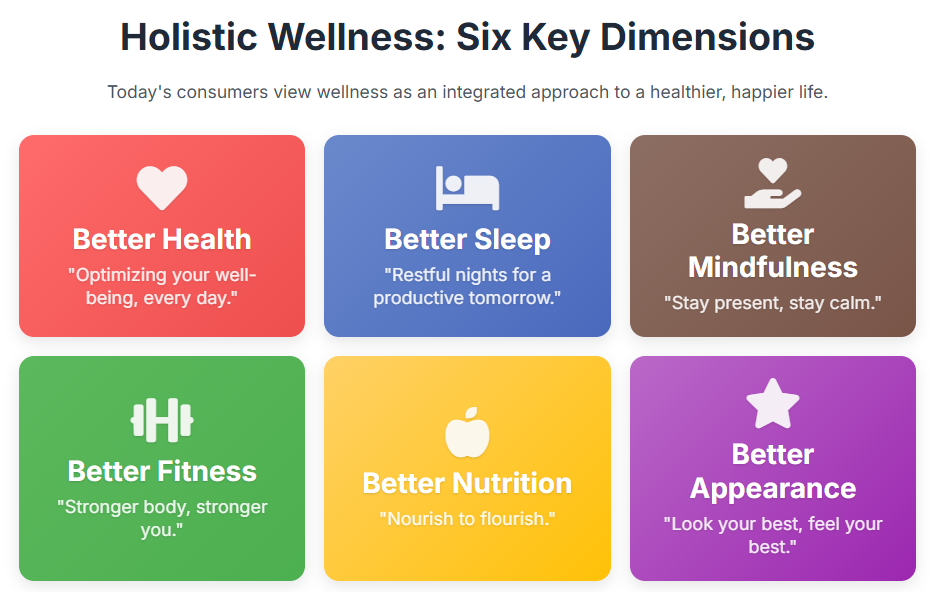
Mental health is no longer just an occasional topic—it’s become the backbone of wellness. For millennials and Gen Zers, it’s a daily, personalized practice that blends nutrition, fitness, mindfulness, and overall well-being.
According to McKinsey, with the wellness industry now worth over $1.5 trillion, mental health practices like mindfulness have taken center stage. Both DTC brands and service-based businesses are capitalizing on the surge in demand for virtual wellness classes, innovative fitness technology, and personalized health experiences, all of which are reshaping how we approach mental well-being.
Mental health trends are evolving globally, with breakthroughs in technology, changing workplace policies, and holistic wellness approaches driving the conversation. Businesses are increasingly recognizing the importance of mental wellness, adapting to new expectations by offering innovative solutions to support employees. Despite regional challenges, the trajectory is clear: mental health practices are becoming an integrated part of daily life.
Mental wellness is no longer a luxury—it’s essential. Let’s explore the key trends shaping mental health today and why embracing these changes is crucial for both individuals and businesses.
Mental Wellness Apps: Because Talking to a Bot Is Cheaper Than Therapy
What’s Happening Now:
As the healthcare sector faces mounting stress and burnout, mental wellness is becoming a priority for businesses. Organizations are recognizing that maintaining employees’ mental health is just as crucial as their physical well-being, particularly in promoting productivity and retaining top talent.
- Increasing Focus on Mental Health: Over 50% of healthcare organizations now provide access to mental wellness apps, therapy stipends, and wellness days for their employees.
- Reducing Absenteeism and Burnout: Businesses that invest in mental health programs experience reduced absenteeism and improved employee engagement by offering better support for mental well-being. This focus on emotional health leads to a more productive and motivated workforce.
- Tech Integration for Mental Wellness: Healthcare businesses are increasingly integrating mental health apps into their wellness programs, with the mental wellness app market for businesses projected to grow by 17.1% from 2025 to 2032.
What’s Next:
AI-Powered Employee Support: Shortly, AI-driven mental health tools will offer more personalized and proactive support. Real-time stress detection and tailored interventions will help businesses provide timely mental wellness support.
- Holistic Employee Wellness Packages: Healthcare organizations will expand their wellness programs to include not just physical health benefits but comprehensive mental wellness tools, ensuring employees have access to resources that support their well-being at every level.
What’s Meant for Businesses in Healthcare
Investing in mental wellness tools isn’t just a trend—it’s a strategic decision that can drive long-term success for healthcare businesses.
- Enhanced employee retention through reduced burnout
- Increased engagement by supporting mental well-being
- Creating a healthier workforce, which boosts overall productivity
Emotions at Work: Stop Pretending You’re Fine (We Know You’re Not)
What’s Happening Now:
Emotions are no longer something to hide in the workplace. With increased awareness around mental health, emotions are becoming a regular part of the conversation in corporate environments. Companies are realizing that emotional well-being has a direct impact on productivity, engagement, and employee retention.
- Open Dialogue: Workplace culture is shifting towards openness about emotions. More businesses are encouraging employees to share their mental health struggles and emotions without fear of judgment.
- Employee Well-being Programs: As businesses focus on mental health initiatives, many are providing employees with access to therapy and wellness resources to help them manage stress, anxiety, and burnout.
- Shift in Expectations: Employees no longer expect to “leave their emotions at the door.” Companies that embrace emotional awareness are seeing higher employee engagement and satisfaction.
What’s Next:
- AI-Powered Emotional Support: AI-driven solutions will help employees track their emotions in real-time and provide tailored interventions, such as breathing exercises, mental wellness check-ins, and personalized coping strategies.
- Integration into Corporate Strategy: Emotional health will become a key element of corporate strategy, with an increasing number of businesses incorporating emotional intelligence training and mental wellness days into their employee benefits.
- Real-Time Stress Detection: Wearable devices and software that track stress and emotional levels will integrate with workplace platforms, providing real-time feedback to enhance emotional well-being.
Emotions at Work: The Key to a Healthier, More Productive Workplace
As the conversation around mental health continues to grow, businesses have a unique opportunity to integrate emotional wellness into their culture and operations. By offering employees tools to manage emotions and stress, businesses can create a more productive and resilient workforce.
- Business Opportunity: Companies can introduce emotionally intelligent tools to assess and manage workplace stress, ensuring a supportive environment that fosters growth and productivity.
- Workplace Innovation: With emotional wellness at the forefront, businesses can develop training programs that teach emotional intelligence and stress management, ensuring a healthier workplace culture.
- Customer Engagement: By prioritizing employee well-being, businesses can enhance overall customer engagement, as happier employees deliver better customer service and foster stronger relationships.
Mindful Movement: Sweating It Out Without Actually Lifting Weights
What’s Happening Now:
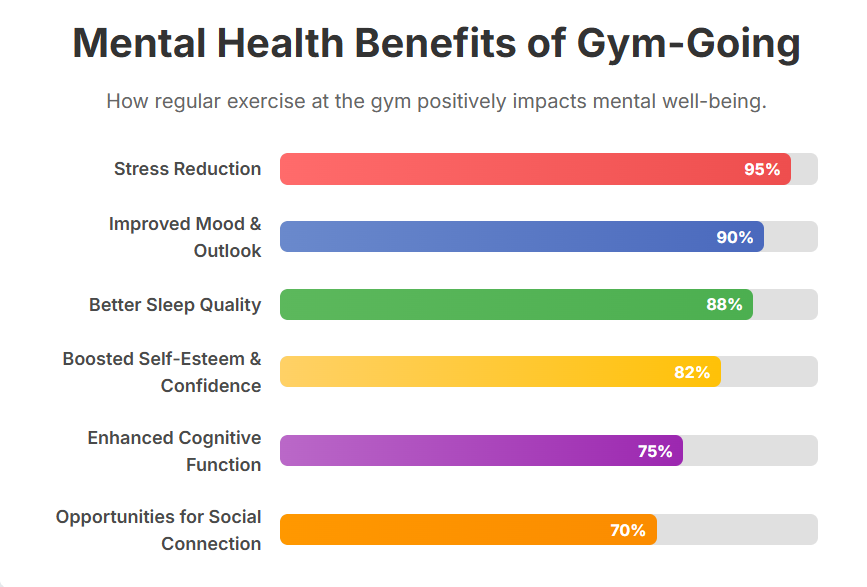
The shift from traditional gym workouts to mindful movement practices is gaining momentum. Activities such as yoga, Pilates, and tai chi are now being recognized for their benefits in both physical fitness and mental well-being. Instead of focusing solely on strength training, more people are embracing holistic fitness that combines movement, mindfulness, and stress relief.
- Mind-Body Connection: Practices such as yoga and Pilates focus on controlled, intentional movements that enhance flexibility, balance, and mental clarity.
- Popularity Surge: Mindful movement practices are now mainstream, with an increasing number of fitness studios, online classes, and wellness centers offering specialized programs designed to benefit both body and mind.
- Holistic Wellness: As the mental health conversation grows, mindful movement practices are becoming key to reducing stress, anxiety, and depression, promoting a balanced approach to well-being.
What’s Next:
- Virtual Mindful Movement: The rise of virtual fitness classes will allow people to engage in mindful movement practices from the comfort of their homes.
- AI-Driven Personalization: Expect AI-powered personal trainers that guide users through personalized routines based on their mental and physical health data.
- Corporate Integration: More businesses will incorporate mindful movement into their employee wellness programs, offering virtual and in-person options to reduce stress and increase well-being.
Mindful Movement: The Future of Fitness and Healthcare
With growing interest in mindful movement, healthcare businesses have a unique opportunity to integrate these practices into their wellness programs. Offering mindfulness-based fitness solutions can enhance mental wellness and reduce healthcare costs associated with stress, anxiety, and chronic conditions.
- Healthier Employees: Companies can incorporate mindful movement into their corporate wellness programs by offering yoga or Pilates classes, which help reduce workplace stress and enhance overall employee well-being.
- Healthcare Innovation: Healthcare providers could expand their services by offering mindful movement workshops and virtual fitness solutions, providing a holistic approach to mental and physical health.
Tech-Savvy Therapy: Because Who Needs a Couch When You Have an App?
What’s Happening Now:
Therapy is no longer confined to a therapist’s office. With the rise of mental wellness apps, people can now access therapy, mindfulness exercises, and even cognitive behavioral therapy (CBT) right at their fingertips. This shift toward digital therapy is making mental health care more accessible, affordable, and convenient.
- Digital Therapy: Apps like BetterHelp and Talkspace are revolutionizing the delivery of mental health services. Offering virtual therapy sessions, chat-based support, and self-help tools, these platforms make therapy available 24/7 without the need for face-to-face appointments.
- Increased Adoption: According to recent studies, the global online therapy market is experiencing rapid growth, driven by the rising demand for affordable mental health support and flexible therapy options. As more people seek accessible and convenient ways to address their mental wellness, digital therapy solutions are becoming essential.
- Expansion Beyond Traditional Therapy: Many apps now integrate AI-powered chatbots for mental health support, offering real-time assistance for those struggling with anxiety, stress, or depression. These apps don’t just offer therapy—they provide mental wellness tools such as mood tracking, guided meditation, and mindfulness exercises, giving users more control over their mental health.
What’s Next:
- AI-Powered Mental Health Assistants: By 2030, AI is expected to evolve to offer more personalized and emotionally intelligent therapy. Emotion-detecting AI will be utilized in apps to monitor stress or anxiety levels in real-time, enabling immediate interventions through tailored therapeutic techniques.
- Integrated Virtual Therapy: Expect seamless integration of virtual therapy with other health apps, where your physical and mental health data work in tandem. Imagine an app that not only tracks your workouts but also suggests personalized mental health interventions based on your stress levels, sleep patterns, and physical activity levels.
Tech-Savvy Therapy: The Future of Mental Health Solutions
As digital therapy rises, healthcare businesses have a unique opportunity to integrate app-based solutions into their services.
- Business Opportunity: With corporate wellness programs and insurance providers already incorporating virtual therapy, companies can partner with mental health tech firms to expand their offerings.
- Innovative Solutions: By combining virtual therapy with traditional healthcare services, businesses can offer personalized mental wellness plans, fostering customer loyalty and enhancing engagement.
- The Competitive Advantage: Embracing tech-powered therapy gives businesses a competitive edge, positioning them as leaders in the evolving wellness landscape.
Wellness Routines: Apps That Help You Be Healthy… Or At Least Try
What’s Happening Now:
Wellness apps are dominating the digital health space, offering a range of services from personalized fitness plans to meditation guides. With the rise of health-focused mobile apps, it’s easier than ever to manage exercise routines, dietary goals, and even mental wellness—all from the convenience of your phone.
- Personalized Programs: Apps like MyFitnessPal, Headspace, and Nike Training Club now use AI and data analytics to create customized routines, helping users stay on track with their fitness and wellness goals.
- Holistic Health Approach: These apps are increasingly focusing on mental health, sleep management, and stress relief, providing users with a well-rounded wellness experience that goes beyond just physical fitness.
- Mass Adoption: With millions of downloads, wellness apps are reaching a broad demographic. The wellness app market is projected to continue expanding as consumers seek more affordable and convenient solutions to maintain their well-being.
What’s Next:
- AI-Driven Personalization: In the future, wellness apps will utilize advanced AI to provide hyper-personalized plans tailored to your daily routines, health data, and even mood tracking, adapting in real-time to your evolving needs.
- Seamless Integration: Expect apps to seamlessly integrate with other digital health tools, creating a unified platform that not only tracks fitness but also monitors mental wellness and nutrition, offering comprehensive health solutions at your fingertips.
Wellness Routines: The Digital Opportunity for Healthcare Businesses
As wellness apps become more central to daily health routines, healthcare businesses have the opportunity to integrate digital health solutions into their services. Offering app-based wellness plans can enhance patient engagement and provide real-time wellness tracking, leading to more personalized care.
- Business Innovation: Healthcare providers can partner with app developers to create custom wellness programs tailored to patient needs, combining fitness, mental health, and nutrition data for a holistic approach.
- Enhanced Patient Care: With wearables and apps continuously tracking health data, businesses can integrate this data into personalized care plans, providing proactive solutions that help patients improve their overall health.
Wearables: Fitness Trackers That Don’t Judge (We Hope)
What’s Happening Now:
Fitness trackers have come a long way from just counting steps. Wearables, such as smartwatches, fitness bands, and heart rate monitors, are now essential tools for monitoring physical activity, sleep, and even mental wellness.
- All-in-One Devices: Wearables are integrating sleep tracking, stress monitoring, and heart rate variability measurements, enabling users to gain a more comprehensive understanding of their overall health and well-being.
- Rising Popularity: As of 2025, the wearable fitness technology market is experiencing significant growth, with millions of consumers utilizing devices to monitor their physical and mental well-being. From Apple Watch to Fitbit, these devices are evolving to meet the increasing demand for 24/7 health monitoring.
- Mental Wellness Integration: More wearables are now incorporating features that track mental health. Devices can measure stress levels using heart rate variability and offer breathing exercises or guided meditations to help users calm down and improve mental clarity.
What’s Next:
- Advanced Health Analytics: In the future, wearables will offer deeper insights by incorporating AI to provide real-time, personalized wellness recommendations, from diet tips to mood-enhancing activities, based on collected health data.
- Integration with Healthcare Providers: Wearables will soon sync directly with healthcare systems, enabling real-time sharing of health data with doctors and facilitating proactive care and improved health management.
Wearables: The New Frontier for Healthcare Business
Wearables aren’t just for consumers anymore—they’re becoming a critical tool for healthcare businesses. By integrating wearables into patient care, providers can offer real-time health monitoring and personalized wellness plans based on data collected from devices.
- Business Opportunity: Healthcare companies can partner with wearable technology companies to offer comprehensive health monitoring solutions that track physical activity, mental wellness, and sleep health, providing a holistic approach to patient care.
- Customer Engagement: By incorporating wearables into wellness programs, businesses can improve patient engagement and preventive care, while positioning themselves as leaders in digital healthcare.
The Wellness Metaverse: Virtual Reality or Virtual Therapy—Same Thing, Right?
What’s Happening Now:
The wellness metaverse is reshaping how we approach mental health care. Virtual reality (VR) and virtual therapy are bridging the gap between traditional therapy and cutting-edge technology, offering a more immersive, accessible, and engaging way to support mental wellness.
- Virtual Therapy: Apps and platforms that offer VR-based therapy are revolutionizing the way individuals engage with cognitive behavioral therapy (CBT) and mindfulness exercises. These immersive sessions provide users with real-time emotional support in virtual settings that are both engaging and relaxing.
- VR for Mental Wellness: Beyond therapy, wellness brands are leveraging VR to create calming virtual environments. These immersive spaces allow users to escape their everyday stress and engage in virtual meditations, relaxation exercises, and nature simulations.
- Healthcare Adoption: Healthcare providers are increasingly integrating VR therapy into their services, especially for treating mental health conditions such as PTSD, anxiety, and phobias, with VR headsets making these treatments more accessible and affordable.
What’s Next:
- AI-Enhanced Virtual Therapy: As artificial intelligence advances, AI-driven therapy will be integrated into virtual reality platforms, providing even more personalized and responsive care based on real-time emotional feedback from the user.
- Expansion of Wellness Platforms: The wellness metaverse will continue to grow, offering a comprehensive platform for mental health workshops, group therapy, fitness programs, and stress management activities, all accessible within a single virtual space.
Virtual Wellness: The Next Frontier for Healthcare Businesses
The wellness metaverse is revolutionizing mental health, offering healthcare businesses the chance to scale virtual therapy and VR wellness programs, making mental health support more accessible and engaging.
- Healthcare Innovation: Healthcare providers can offer virtual therapy rooms, enabling patients to access personalized care from the comfort of their own homes, while partnering with mental health tech platforms for seamless integration.
- Patient Engagement: Interactive wellness solutions, such as on-demand virtual therapy, can enhance patient engagement and improve mental wellness outcomes.
- Scaling Wellness: The metaverse enables businesses to scale their services through virtual wellness retreats and online mental health workshops, positioning them as leaders in modern mental health care.
Sleep Is the New Black: Catching Z’s Is the Ultimate Self-Care Trend
What’s Happening Now:
Sleep is no longer just something we “fit in” when we can. It’s now front and center in the wellness world, with businesses, wellness influencers, and even healthcare providers promoting the idea that good sleep is the key to a productive and healthy life.
- The Rise of Sleep Tech: The sleep tech market is projected to reach $11.7 billion by 2025, driven by innovations such as innovative mattresses, sleep trackers, and sleep apps. Devices that monitor sleep and provide personalized insights are becoming essential tools for improving sleep quality among individuals and employees alike.
- Corporate Wellness Programs: Companies are investing in sleep solutions for their employees. From sleep pods to sleep coaching and sleep education programs, organizations are realizing that better rest leads to improved productivity, reduced sick days, and a more engaged workforce.
- Sleep Awareness: More than just a self-care trend, sleep is now seen as a foundation of mental wellness. Research continues to show that sleep deprivation leads to decreased cognitive function, increased stress levels, and poor emotional regulation, making sleep a priority for mental and physical health.
What’s Next:
- AI-Powered Sleep Optimization: By 2030, we’ll see AI-powered sleep solutions that will integrate with wearable devices to provide real-time feedback on sleep patterns and make personalized adjustments to improve rest. Expect AI sleep coaches that not only help you track your sleep but also offer actionable steps to enhance it.
- Sleep Health Integration: Sleep will become more integrated into broader healthcare offerings. Sleep optimization services will become a standard component of employee wellness packages, and healthcare providers will utilize sleep diagnostics to treat a range of conditions, including anxiety and chronic pain. Expect customized sleep plans and sleep-centered wellness programs that improve both mental health and overall productivity.
Why Prioritizing Rest is the Smartest Business Investment You Can Make
In today’s health and wellness market, sleep has evolved from a personal wellness trend to a strategic business investment. Companies are recognizing that prioritizing rest isn’t just a perk for employees; it’s crucial for maximizing productivity and maintaining long-term employee engagement.
- Business Impact of Sleep: Investing in sleep wellness isn’t just good for employees—it’s good for business. Studies show that companies with sleep-focused wellness programs report higher employee retention, reduced absenteeism, and improved overall work performance. A better-rested workforce is more engaged, creative, and mentally resilient.
- Healthcare Business Opportunities: For healthcare businesses, the demand for sleep solutions is growing. Offering sleep diagnostics, personalized sleep plans, and sleep health technology will become integral parts of comprehensive wellness services. Sleep wellness clinics and corporate partnerships offering sleep-focused care will present a significant business opportunity, enabling individuals and organizations to unlock their potential by prioritizing rest.
As sleep solutions become increasingly essential to mental wellness, healthcare businesses are poised to tap into a rapidly growing market by offering targeted sleep services that go beyond traditional healthcare offerings. Sleep is officially the new black, and businesses that invest in sleep optimization will reap the rewards.
Gut Health: Forget Six-Pack Abs, It’s All About Your Belly Now
What’s Happening Now:
As research increasingly links gut health with mental well-being, healthcare businesses are beginning to adopt gut health-focused wellness strategies. Companies are integrating gut health education, personalized nutrition plans, and probiotics into their employee wellness initiatives to foster improved mental health outcomes.
- Corporate Wellness Programs: More businesses are incorporating gut-friendly diets into their wellness programs. This includes providing employees with access to probiotic-rich meals and customized nutrition to support their gut microbiome, which in turn, boosts overall mental wellness.
- Growing Market Demand: With the mental wellness industry becoming a central focus in healthcare, businesses are seeing rising demand for gut health solutions. Research shows that consumers are increasingly interested in supplements and diet plans that support not only physical health but also mental well-being, creating a significant market for innovative wellness solutions.
What’s Next:
- Gut Health Integration in Healthcare Offerings: By 2030, we can expect healthcare providers to increasingly include gut health diagnostics in their services, offering personalized plans based on microbiome analysis. Employee wellness packages may include access to services that assess and optimize gut health for mental wellness.
- Mental Health Nutrition Solutions: Businesses will begin offering mental health-focused meal plans that are specifically designed to improve both gut health and mental wellness, backed by personalized data from gut microbiome analysis. This could involve partnerships between healthcare providers and nutritionists to deliver personalized, evidence-based solutions to improve mental health outcomes.
Gut Health Is the New Wellness Frontier
The growing understanding of the gut-brain connection is turning gut health into a central pillar of mental and physical well-being. As businesses and individuals recognize the profound impact of gut health on emotional regulation and overall health, it’s becoming clear that this is no longer just a passing trend—it’s a long-term strategy for better wellness.
- Personalized solutions: Gut health will be driven by customized nutrition plans and probiotic solutions, addressing both physical and mental health needs.
- Strategic business advantage: Companies that invest in gut health-focused wellness programs are positioned to lead in an emerging, high-demand market.
- Expanding opportunity: With increasing awareness, there is a massive opportunity for businesses to innovate and provide gut-focused wellness solutions.
Conclusion
Mental health awareness is becoming a cornerstone of wellness trends. As individuals increasingly recognize the importance of mental well-being, it is reshaping our approach to overall health. With a greater focus on mental health, the wellness industry is evolving to offer holistic solutions that address both the mind and body. This shift ensures a more balanced and sustainable path to well-being for all.
FAQs
How can businesses implement mental wellness programs effectively?
What role do wearables play in monitoring mental health?
How can mental wellness apps be improved for chronic mental health conditions?
How can businesses offer mental wellness support without significant costs?
How can businesses make mental wellness programs more inclusive for diverse employees?