















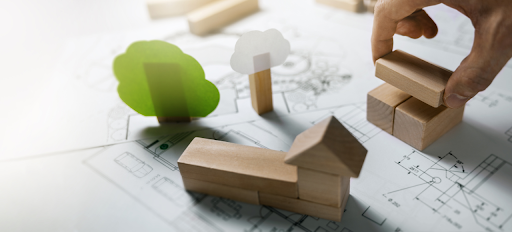

Sustainable materials in architecture are becoming a global standard. Around the world, countries are increasingly adopting these green building materials as part of their construction and real estate development strategies. For instance, in 2024, Europe made significant strides with the European Green Deal, pushing for eco-friendly building practices that reduce carbon footprints and energy use in new developments. This example shows how sustainability in real estate development is gaining serious momentum.
With buildings accounting for nearly 40% of global energy-related emissions, it’s clear why integrating sustainable architectural materials can’t be delayed. Understanding why it matters, how it impacts our environment and economy, and when we should prioritize this shift can help architects, developers, and homeowners make smarter choices.
This blog walks through the transformation sparked by sustainable materials in architecture, exploring everything from what qualifies as sustainable to the game-changing materials shaping the future of building design.
Why Sustainable Materials Matter in Modern Architecture
Modern architecture is a style that prioritizes functionality, simplicity, and innovation. It emerged in the early 20th century as a break from traditional, ornamental designs, focusing instead on clean lines, open spaces, and the use of new materials like steel, glass, and concrete. Today’s modern architecture continues to evolve, with cutting-edge concepts such as sustainability to create buildings that are not only visually striking but also environmentally responsible and efficient.
With that foundation in mind, let’s explore why sustainable materials matter so much in the world of modern architecture.
- Modern architecture focuses on cutting emissions and saving energy with sustainable materials.
- Sustainable architecture materials lower carbon footprints by using renewable and recycled resources.
- These materials improve indoor air quality by being natural and non-toxic, creating healthier spaces.
- Durable, sustainable materials reduce maintenance and waste, saving costs long-term.
- Green building standards are rising worldwide, making sustainable materials essential for new builds.
- Buyers and investors now favor properties that show clear sustainability efforts.
Behind these shifts are numerous drivers that push sustainability to the forefront of architectural decision-making. In the next section, we’ll take a closer look at the key forces shaping this important movement.
The Key Drivers Behind Sustainability in Real Estate Development
Sustainability in real estate development is driven by many important factors, and understanding these key drivers helps explain why the industry is shifting rapidly toward greener, smarter building practices.
- Around the world, governments are introducing stricter regulations and financial support to promote the use of sustainable materials in architecture and encourage eco-friendly construction methods.
- Climate change and natural calamities are urgent wake-up calls. Increasingly severe weather events and environmental damage make it clear that sustainable architecture and materials are essential to build resilience and reduce carbon footprints.
- Growing awareness among investors and buyers drives demand for sustainable real estate. More people now prioritize properties that demonstrate long-term environmental responsibility and health benefits.
- Technological advances enable more practical and cost-effective use of sustainable materials in architecture, making green buildings more accessible and efficient than ever before.
- Corporate social responsibility and environmental, social, and governance (ESG) goals push developers and real estate companies to integrate sustainability into their projects as a business imperative.
Now that you know the basic drivers fueling this movement, let’s dive into what exactly qualifies as sustainable materials and why those choices matter so much in shaping the future of architecture.
Breaking Down the Essentials: What Makes a Material “Sustainable”?
A material is called sustainable when it has a minimal negative impact on the environment throughout its entire life cycle—from extraction and production to use and disposal. Sustainable materials in architecture help conserve resources, reduce pollution, and improve building efficiency without compromising future generations’ ability to meet their needs.
But how do you know if a material truly qualifies as sustainable?
There are key criteria—metrics—that help determine its sustainability:
- Low Environmental Impact: The material should require minimal energy and water during production and transportation, reducing pollution and waste.
- Renewability: Sustainable materials come from sources that naturally replenish, such as bamboo or sustainably managed forests.
- Recyclability: At the end of its life, the material should be reusable or recyclable rather than ending up as landfill.
- Durability: Long-lasting materials reduce the need for replacements, cutting down resource use and waste over time.
- Health and Safety: Materials must be non-toxic and safe for occupants, avoiding harmful chemicals that affect indoor air quality.
By checking these factors, architects and builders can verify whether an architectural material is sustainable and make smarter, greener choices for construction projects.
Now that we’ve got a clear understanding of what sustainable materials are, next, we’ll explore some of the most commonly used sustainable options in architecture and how they’re shaping the industry.
Top Sustainable Materials Architecture Adopts Today
Sustainable materials are at the heart of transforming modern architecture. Let’s take a closer look at some of the top materials architects are adapting today to reduce environmental impact while maintaining strength, durability, and style.
Bamboo
Bamboo is a fast-growing, renewable resource that regenerates quickly without needing replanting. It’s incredibly strong yet lightweight, making it perfect for structural elements and finishes. Its sustainability comes from rapid growth cycles and minimal energy used in harvesting and processing, plus its ability to absorb large amounts of carbon dioxide during growth.
Recycled Steel and Glass
Recycled steel drastically reduces the need for virgin ore mining, cutting energy use by up to 75% compared to new steel production. It’s endlessly recyclable without degradation, making it an excellent choice for structural frames, reinforcements, and fixtures. Similarly, recycled glass cuts landfill waste and lowers energy consumption during production. Both materials support a circular economy by reusing waste, reducing pollution, and extending resources.
Rammed Earth
Rammed earth uses natural soil compacted to form strong, durable walls with excellent thermal mass, helping regulate indoor temperatures and reduce energy use for heating and cooling. Because it relies mostly on local soil and minimal additional materials, the environmental footprint is very low. Rammed earth also provides natural breathability and moisture regulation for healthier indoor air.
Cork and Straw Bale
Cork is harvested from tree bark without cutting trees down, allowing renewable harvesting every 9-12 years. It’s lightweight, insulating, and resistant to moisture and pests. Straw bale construction uses agricultural waste, providing excellent insulation properties while repurposing a material that might otherwise be burned or discarded. Both materials lower energy needs and reduce environmental damage compared to conventional building options.
These sustainable materials are changing how architecture looks and performs, offering practical, energy-efficient, and stylish solutions for the future of building design.
How Sustainable Materials Are Changing Building Design
Sustainable materials are reshaping building design in profound ways, moving architecture beyond aesthetics to embrace environmental responsibility and efficiency. Modern buildings not only stand the test of time but also reduce energy consumption and minimize waste.
For example,
- The Bamboo Sports Hall at Panyaden International School in Chiang Mai, Thailand, designed by Chiangmai Life Architects, showcases bamboo’s structural strength without steel reinforcements.
- The Burj Khalifa in Dubai, the world’s tallest building, also uses recycled steel to reduce environmental impact.
- More recently, the Auroville Visitors Centre in India uses rammed earth walls to provide insulation and energy efficiency.
- The Watershed Straw Bale Residence in Sonoma County, California, combines straw bale walls with sustainable design and passive solar orientation.
As architects and developers prioritize these green materials, the result is more resilient, energy-efficient, and environmentally harmonious buildings that set new standards for modern construction.
Sustainability in Real Estate: Economic and Social Benefits
Sustainability in real estate development offers much more than environmental advantages; it delivers significant economic and social benefits as well.
Economically, sustainable buildings help lower operational costs by reducing energy and water consumption, which means savings for both property owners and tenants. These buildings often command higher property values and attract premium prices because more buyers and investors look for eco-friendly and energy-efficient spaces, understanding their long-term value.
On the social side, sustainable real estate promotes healthier living environments through better indoor air quality and natural lighting, improving occupants’ well-being and productivity. It also encourages community engagement by supporting green spaces, walkability, and social inclusivity, contributing to a higher quality of life. Governments worldwide back these benefits by offering tax incentives, subsidies, and regulatory support to promote sustainable construction and renovations.
As demand for greener buildings rises, sustainable real estate not only becomes a smart investment but also fosters resilient, vibrant communities that align economic growth with social responsibility.
Innovative Architecture: Blending Old Techniques with New Technologies
Innovative architecture today is increasingly about blending the wisdom of traditional building techniques with the possibilities offered by modern technology. This fusion respects cultural heritage while pushing design and construction forward to be more efficient, sustainable, and visually striking.
For example, architects may combine the natural breathability and thermal mass of traditional materials like rammed earth or lime plaster with advanced insulation and smart climate-control systems to create buildings that are both deeply connected to their environment and equipped for today’s comfort needs.
Traditional features such as arches, wooden joinery, and intricate stonework often find new life when paired with sleek metal frameworks, glass façades, and digital fabrication methods. For instance, Japanese architect Kengo Kuma is renowned for using traditional wood joinery techniques combined with contemporary design to create warm, sustainable spaces that feel modern yet timeless.
Overcoming Challenges in Sourcing and Implementing Sustainable Materials
Sourcing and implementing sustainable materials in construction comes with its own set of challenges, but addressing them is key to advancing greener building practices. The obstacles may seem daunting, yet there are practical solutions that help overcome each hurdle and push sustainable architecture forward.
Limited Availability
Sustainable materials may not be as widely available as traditional ones. Building strong relationships with specialized suppliers and exploring multiple sourcing options can help secure a steady supply.
Higher Costs
Sustainable materials often have a higher upfront price compared to conventional options. Conducting lifecycle cost analyses to highlight energy savings and durability can justify the investment, alongside seeking government incentives and subsidies.
Certification and Standards Confusion
Variations or a lack of clear certifications can create uncertainty about the sustainability of materials. Staying updated on recognized certifications like LEED or BREEAM and choosing materials aligned with these standards ensures credibility.
Quality and Performance Concerns
There may be doubts regarding the reliability and performance of sustainable materials. Thorough research, product testing, and sharing successful case studies can build confidence.
Lack of Awareness and Education
Stakeholders may lack knowledge about sustainable materials and their benefits. Providing training, sharing information, and actively promoting sustainable materials helps bridge this gap.
Regulatory and Compliance Complexity
Navigating local and national regulations can be challenging. Staying informed and collaborating with authorities ensures compliance and smoother approval processes.
Supply Chain Transparency
Verifying supplier sustainability claims can be difficult. Working with committed suppliers and leveraging technology improves transparency and traceability.
Waste Management Issues
Disposal or recycling of some sustainable materials may be complex. Planning waste handling from the beginning and exploring recycling opportunities minimizes environmental impact.
Balancing Local Sourcing
Finding locally sourced, sustainable materials while meeting quality standards can be tough. Prioritizing local options when feasible, balanced with broader sourcing strategies, offers the best approach.
By recognizing these challenges and applying proactive solutions, the path to sustainable construction becomes smoother, driving the entire industry closer to eco-friendly, responsible building practices.
Conclusion
The sustainable construction industry is rapidly evolving and currently stands at a pivotal verge. In 2025, the global green construction market is valued at between approximately USD 305 billion and USD 380 billion, and is anticipated to expand to between USD 700 billion and over USD 1.1 trillion by the 2030s. Architects, builders, and developers have a wide array of sustainable materials and design options to choose from. The key is understanding which materials best fit each project’s environmental goals, budget, and local context while embracing a mindset of continuous learning and innovation.
As this movement grows, the question remains: What sustainable building or technology have you encountered or are curious to explore further? The future of architecture is green, dynamic, and full of exciting possibilities waiting to be discovered.
FAQs
Are sustainable building materials more expensive than traditional ones?
What maintenance is required for buildings made with sustainable materials?
How do sustainable materials affect indoor air quality?
Can sustainable materials be used in all types of climates and environments?
How does choosing sustainable materials impact a building’s resale value?