
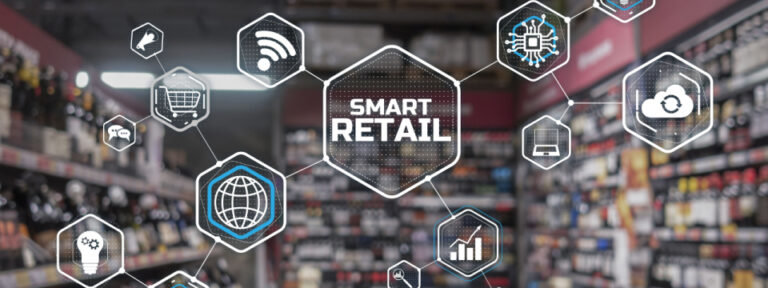










You and I both shop in retail stores, online, or sometimes both, and if we look back a few years, we’d agree that our shopping experience has changed quite a bit (mostly for the better). Right from what shoppers want, faster checkouts, or more personalized suggestions, everything feels smoother and more convenient. This change didn’t just happen by chance. Technology has quietly been working behind the scenes to make it all possible. And right at the core of this transformation is Artificial Intelligence. AI technology is helping retailers understand customers better, manage their stores smarter, and create shopping journeys that feel more personal.
AI has touched nearly every part of retail, from managing inventories to customizing marketing messages and even helping with customer support. This blog dives into how AI is reshaping retail, changing how we shop and how businesses run.
Why Artificial Intelligence Retail Is Important Today
Artificial intelligence, or AI, refers to computer systems and software designed to mimic human intelligence. These machines can learn, recognize patterns, make predictions, and improve over time without needing constant programming. Over the years, AI has found its way into many industries, and retail is no exception. In fact, 92% of retail marketers are using AI in 2025.
In retail, AI is important because it helps businesses meet today’s fast-changing customer needs and shopping habits. We all expect convenience and personalized experiences, whether we shop online, through apps, or in physical stores. This expectation has made omni-channel retail a seamless shopping experience across all platforms. AI powers this by analyzing data from different channels and creating a unified experience for customers, making shopping easier and more enjoyable.
It’s also worth noting that AI isn’t one single technology. It’s a broad term that includes many technologies like machine learning, computer vision, natural language processing, and more. All these work together in retail to handle everything from automating stock management to personalizing marketing and providing customer support. Together, they form the backbone of retail automation, helping businesses run smoothly and customers shop smarter.
Main Technologies Behind Retail Automation
Retail automation refers to using technology to automate various retail processes, making operations more efficient, reducing errors, and improving the overall shopping experience. Automation helps retailers manage everything from inventory and supply chain to customer service and marketing, freeing up staff to focus on tasks that need a human touch.
This transformation is necessary because today’s retail world moves quickly, and customers expect fast, seamless service both online and in stores. Automation ensures retailers can meet these expectations consistently while cutting costs and boosting sales.
Several key technologies power retail automation, working behind the scenes to create smoother operations and smarter customer interactions:
Machine Learning and Data Analytics
Machine learning analyzes vast sales, customer, and inventory data to spot patterns and make smart decisions. Data analytics tools turn this raw data into actionable insights, helping retailers track trends and customer behavior in real time to improve operations and satisfaction.
Chatbots and Virtual Assistants
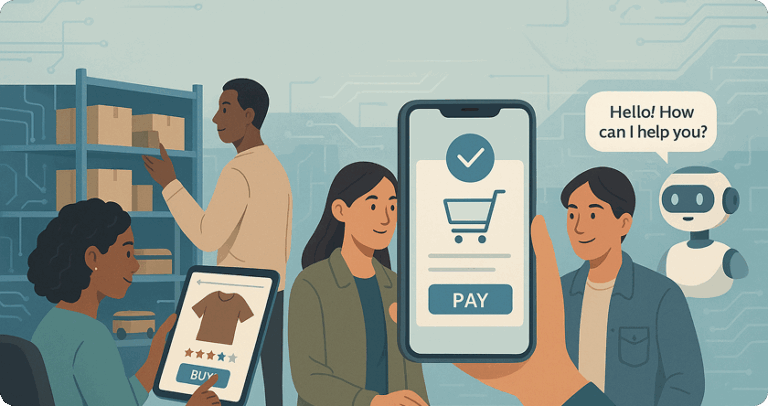
Chatbots quickly answer common customer questions online or in-store, easing staff workload. Virtual assistants provide personalized, 24/7 support, learning from past interactions to suggest products, notify about deals, and assist with complex requests.
Computer Vision and Image Recognition
Computer vision lets AI-powered cameras “see” and interpret the store environment for cashier-less checkouts, stock monitoring, and theft detection. It also analyzes customer movement to optimize store layouts and enhance shopping with virtual try-ons and augmented reality.
Together, these technologies drive retail automation, creating a behind-the-scenes network that supports everything from supply chains to personalized shopping — all aimed at making retail smarter and more responsive.
How AI Improves the Customer Experience
Retail is all about the customer experience, and AI is making that experience more personal and enjoyable than ever. By analyzing customer data, AI helps retailers offer smarter, tailored interactions that fit each shopper’s preferences, turning simple transactions into meaningful engagements.
Major advances have been made in these key areas:
Personalized Recommendations
AI studies your past purchases, browsing habits, and preferences to suggest products that truly match your tastes. This kind of personalization helps customers discover relevant items easily and boosts retailer sales by offering what shoppers really want, right when they want it.
Voice and Visual Search
Instead of typing, customers can now speak or snap a picture to find products. AI-powered voice and visual search make shopping faster and more intuitive, especially on mobile devices, improving convenience and satisfaction by instantly returning accurate search results.
Seamless Checkout and Payments
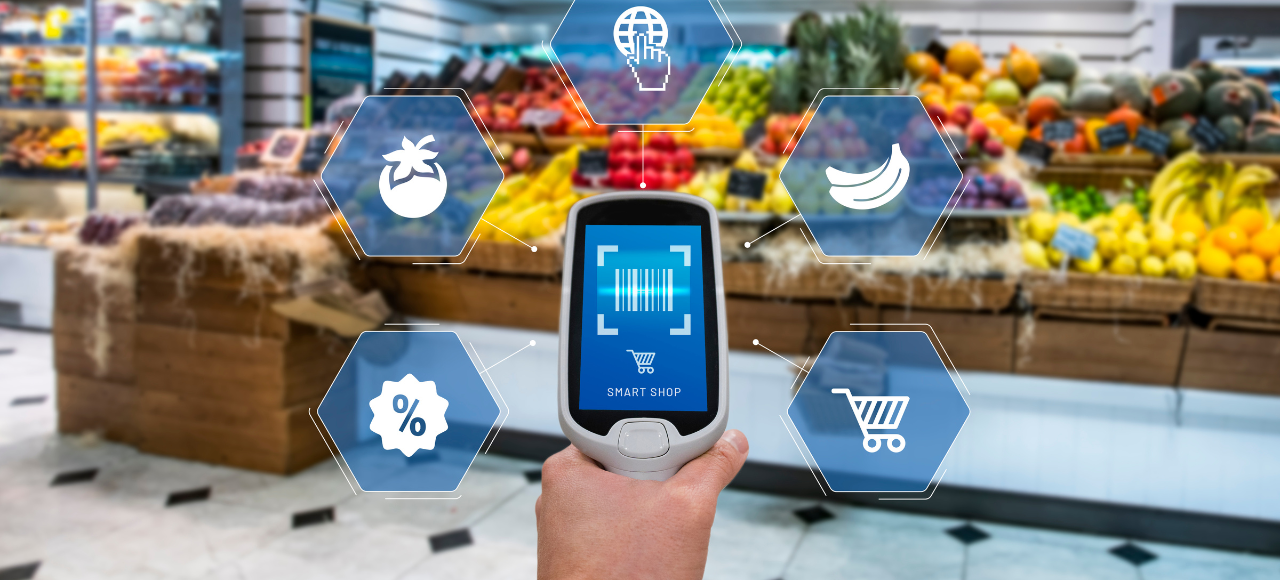
No one likes long lines or slow checkouts. AI supports speedy, contactless payment options like mobile wallets and cashier-less stores, reducing wait times and creating smooth, frictionless purchase experiences both online and in physical stores.
Apart from enhancing customer experience, AI has also streamlined operations, optimized inventory management, and improved supply chain efficiency.
AI in Inventory and Supply Chain Management
Supply chain management plays a critical role in retail, ensuring products reach stores and customers on time. AI has made this process much more streamlined and efficient, transforming how retailers manage their inventory and supply chains.
Two sectors where AI is creating the biggest impact are:
Demand Forecasting
AI analyzes historical sales data, seasonal trends, and market influences to predict which products will be in demand. This helps retailers stock just the right amount, reducing excess inventory and preventing out-of-stock situations.
Automated Stock Replenishment
AI-powered systems can automatically trigger restocking orders when inventory runs low, keeping shelves stocked without manual intervention. This automation not only saves time but also ensures customers find what they want—improving satisfaction and boosting sales.
AI has significantly improved retail supply chains, with studies showing a 30-40% increase in demand forecast accuracy and as much as a 25% reduction in excess inventory. Overall, AI-driven automation has helped retailers boost on-time deliveries and improve in-stock availability, making operations more reliable and responsive to customer needs.
Using AI for Smarter Marketing and Sales
Retail heavily depends on marketing and sales to attract and keep customers, and AI is helping retailers perfect their strategies. By combining AI with data analytics, store owners can better understand their customers and target them more effectively.
Two key areas where AI adds value are:
Customer Segmentation
This process involves dividing customers into groups based on behaviors, preferences, and demographics. AI analyzes large datasets to identify distinct segments, enabling retailers to tailor marketing messages that resonate with each group. This targeted approach increases engagement and improves the chances of converting prospects into buyers.
Predictive Campaigns
AI uses historical data and buying patterns to predict which marketing campaigns will resonate best with specific audiences. This helps retailers plan promotions that maximize impact, improve return on investment, and reduce wasted ad spend. Predictive campaigns make marketing smarter, more efficient, and customer-focused.
Without customer segmentation and predictive campaigns, retailers risk wasting marketing budgets on irrelevant messages that fail to engage shoppers. That’s why many turn to digital marketing agencies and outsource data analytics experts to get the strategy and insights right.
Retail Automation: Changing Store Operations
Labor costs and employee training have become increasingly expensive for retailers. To address this, many stores are turning to AI-powered automated checkout systems. These systems make the checkout process faster, easier, and more accurate, which allows customers to pay quickly without errors or long waits. This convenience enhances customer satisfaction and reduces operational costs.
At the same time, AI helps with workforce management by optimizing staff schedules based on store traffic and demand patterns. This ensures that the right number of employees are available at the right times, improving efficiency and reducing labor expenses.
Challenges to Using AI in Retail
While AI offers many benefits, retailers also face challenges in adopting it effectively. One of the biggest concerns is data privacy. Retailers handle vast amounts of customer data and must comply with strict regulations such as GDPR, CCPA, and industry-specific rules to protect that information. Following these rules is essential not only to avoid fines but also to build and maintain customer trust.
Another major challenge is the high cost of implementing AI technologies, along with the skills gap in managing and optimizing these systems. Many retailers struggle to find trained professionals who understand AI solutions, making it harder to deploy and maintain them effectively. This requires investment not just in technology but also in training and sometimes working with external experts.
Conclusion
The retail industry is set for massive, consumer-centric transformations driven by AI innovations. From personalized experiences and seamless automation to smarter inventory and marketing, AI will be at the heart of how retailers engage with customers and optimize operations. To stay relevant and competitive, businesses must embrace these changes and keep pace with AI advancements.
Retailers can explore many opportunities with AI—from intelligent virtual assistants and predictive analytics to automated checkout systems and dynamic pricing models. Adopting these tools not only improves efficiency but also builds stronger, more loyal customer relationships.
Also, did you know which global retail brand uses generative AI to create product videos and revolutionize online shopping experiences?
It’s Amazon!!!
Amazon is leveraging AI to connect millions of customers with personalized shopping like never before!
FAQs
What are the best practices for implementing AI in retail?
How does AI help reduce retail operational costs?
What are the key AI trends shaping retail in 2025 and beyond?
How can small and medium retail businesses benefit from AI?
What challenges do retailers face when adopting AI technology?