









The way people shop has fundamentally changed—and it’s not slowing down. Customers today expect more than just fast shipping and a polished product page. They want personalisation that feels human, seamless mobile experiences, ethical values they can align with, and checkout options that work with their lifestyle, not against it.
If your brand’s still thinking like it’s 2018, there’s a very real risk of being left behind.
The future of ecommerce isn’t about wild guesses or throwing marketing dollars at whatever trend makes the most noise. It’s about reading the signals—how consumer behavior in online shopping is shifting—and adapting before your competition does. Because in the coming years, innovation isn’t a bonus. It’s your baseline.
So, what’s this blog about?
We’ve broken down the top ecommerce trends to watch this year—not the fluff, not the hype, but the fundamental shifts that are actively reshaping how people discover, engage, and buy online. Whether you’re a DTC founder, a digital marketing lead, or an e-commerce consultant tired of reading the exact recycled predictions, this guide is your shortcut to clarity.
No vague predictions. No jargon. Just actionable insights, served with a side of strategic wisdom and a clear lens on what matters this year.
Let’s decode what’s changing, what it means for your business, and where your next move should be.
Latest Trends in E-commerce You Can’t Ignore in 2025
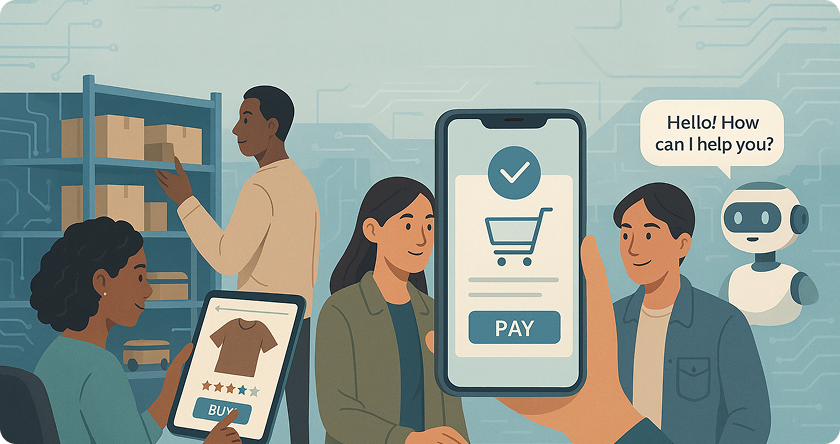
Online shopping habits aren’t just shifting—they’re maturing. From how customers discover brands to the way they expect to pay, the latest ecommerce trends reveal a deeper demand for smarter, faster, and more human digital experiences. If you’re running an online store, consulting for one, or scaling a retail brand, here’s what’s changing—and why these trends deserve your full attention this year.
Hyper-Personalization with AI Is Reshaping Customer Experience
There’s nothing personal about endless scrolling and irrelevant product suggestions. And your customers know it. They don’t just want a smooth experience—they want a smart one. One that feels like it was built for them.
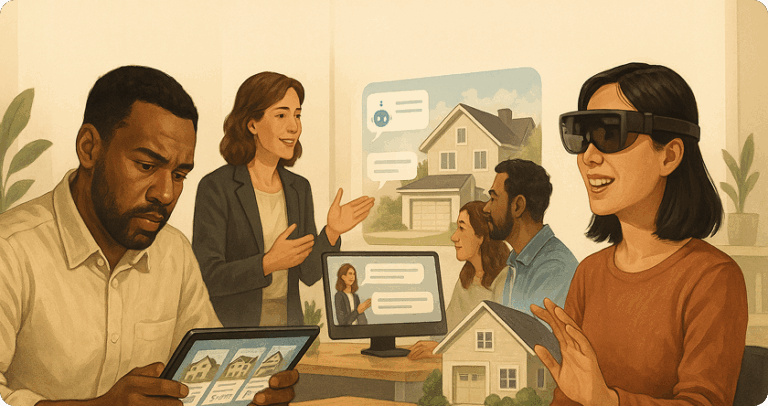
According to eMarketer, AR users in the US are projected to surpass 100 million by the end of 2025—roughly 32% of the population. AR and VR are rapidly transforming online shopping by seamlessly blending physical and digital experiences.
Enter AI-powered personalization, the not-so-secret weapon behind the most addictive online shopping journeys today. It’s how ecommerce giants—and innovative independent brands—are turning data into delight. From recommending that perfect add-on just before checkout, to auto-sorting product grids based on user behavior, AI in ecommerce is rewriting the rules of customer experience.
But here’s the kicker: it doesn’t just boost conversions. It builds loyalty. Why? Because when shoppers feel seen, they stick around. A personalized shopping experience isn’t a tech gimmick—it’s a human one, powered by algorithms that know when to listen and when to act.
The takeaway? If your site isn’t delivering real-time, behavior-driven experiences, someone else’s is. And your customers won’t hesitate to make the switch.
This trend isn’t optional anymore—it’s the foundation of how ecommerce will win hearts and wallets moving forward.
Social Commerce Is Redefining Product Discovery and Sales
Scroll. Tap. Buy. Welcome to the age where the feed is the storefront, and brand discovery happens between memes and makeup tutorials over social media platforms.
Social commerce isn’t just trending—it’s transforming how people shop without even realizing they’re shopping. Whether it’s a TikTok creator unboxing your product with a viral soundbite or a one-click Instagram Checkout under a carousel of UGC, buying is now embedded in the scroll.
This isn’t accidental. Platforms like TikTok, Instagram, and even Pinterest are designing ecosystems that blend product discovery and purchase behavior into one seamless dopamine loop. People aren’t heading to your site to browse—they’re swiping into a curated shopping journey before your link in bio even loads.
The real power? It feels personal. Community-driven. Less “buy now” and more “I need this.” And that’s precisely what makes it so powerful.
If you’re still treating social as a brand awareness channel, you’re missing the point—and the sale. The brands that master shopping on TikTok or leverage Instagram Checkout aren’t just winning likes. They’re closing carts at scale.
Social commerce isn’t a shiny add-on. It’s where ecommerce is actively happening.
Mobile Commerce Is Dominating the Online Shopping Experience
Your customer’s favorite shopping mall now fits in their back pocket—and it never closes.
With over 187 million U.S. consumers making purchases via mobile (Insider Intelligence, 2024), mobile commerce isn’t just growing—it’s taking the lead. From thumb-friendly menus to one-tap checkout, the mobile shopping experience has evolved into the new normal. And yet, many brands still treat it like a side project.
That’s where things go wrong.
Clunky mobile layouts, slow page loads, or checkouts that feel like obstacle courses? That’s a fast track to cart abandonment. When your audience lives on their phone, every glitch becomes a reason to bounce.
The brands winning in this space have embraced a mobile-first ecommerce design mindset. They optimize for speed, simplify the path to purchase, and use tools like mobile wallets, push notifications, and app-exclusive deals to keep shoppers engaged on the go.
Here’s the bottom line: m-commerce isn’t the future. It’s the current battlefield for attention, loyalty, and conversions.
And the brands that get it right? They’re not just responsive. They’re irreplaceable.
Sustainable and Ethical Shopping Is Gaining Real Momentum
Shoppers aren’t just asking what you sell anymore—they’re asking how you source it, ship it, and show up for the planet.
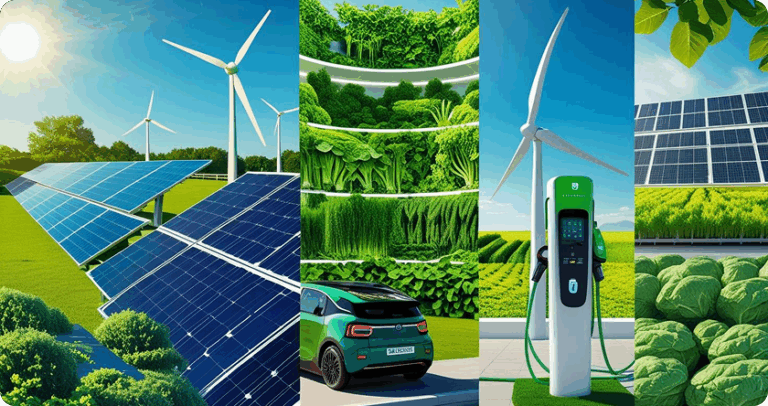
According to First Insight and the Wharton School, 73% of Gen Z consumers are willing to pay more for sustainable products. That’s not a trend—it’s a transformation. Ethical consumerism is no longer niche; it’s influencing buying decisions across every generation.
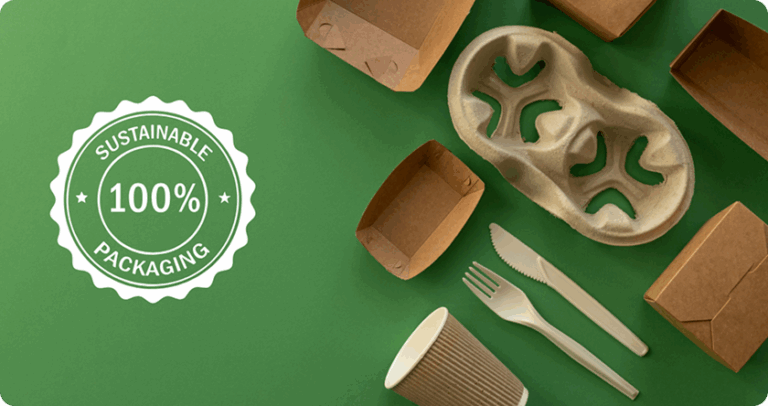
From plastic-free packaging and carbon-neutral delivery to transparency in supply chains, brands that embrace sustainable ecommerce are doing more than ticking a CSR box. They’re building absolute loyalty—because people trust companies that align with their values. The most-loved brands today are those that wear their principles on their sleeve. They’re not just selling—they’re standing for something.
And when that something includes the planet, customers take notice—and they stick around. If you’re not integrating eco-conscious practices into your ecommerce experience, you’re not just losing relevance. You’re losing revenue.
Omnichannel Retailing Is the New Baseline for Success
The best customer experience? The one that doesn’t feel like switching channels at all.
Whether your shopper starts on a mobile ad, browses in-store, and completes the order on a tablet at home, omnichannel retailing is the glue holding that journey together. And customers expect you to have it figured out.
In fact, according to Harvard Business Review, 73% of consumers use multiple channels during their shopping journey, and those who do tend to spend more than single-channel users. That’s not a marketing stat, that’s a wake-up call.
From real-time inventory sync to click-and-collect, from personalized email triggers to in-app push notifications—an omnichannel strategy isn’t about adding more touchpoints. It’s about making them invisible. The brands winning customer loyalty today are those that eliminate friction and meet shoppers wherever they are, without making them feel like they’ve started over.
If your online store and brick-and-mortar presence don’t speak the same language, you’re not just behind the curve—you’re outside the conversation.
Immersive Shopping with AR and Virtual Try-Ons Is Growing Fast
If your product photos still rely on guesswork, you’re missing the conversion trigger modern shoppers crave—confidence.
Whether it’s testing lipstick shades on a smartphone screen or placing a virtual couch in a living room via AR, interactive shopping experiences are closing the gap between curiosity and commitment. They’re not gimmicks—they’re decision-making tools.
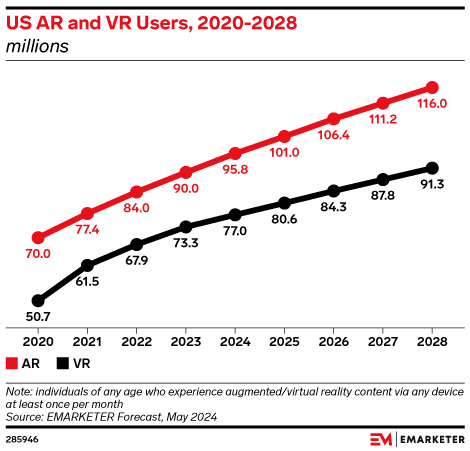
According to eMarketer, over 100 million U.S. consumers are expected to use AR by the end of 2025, making up nearly one-third of the population. That’s not a futuristic concept—that’s your current customer.
AR in ecommerce empowers shoppers to visualize, compare, and engage with products in real-time. Virtual try-ons reduce returns, boost trust, and make online shopping feel a lot more like in-store browsing, minus the parking hassle.
The most innovative brands are already investing in AR—not just to dazzle, but to deliver clarity and reduce buying hesitation. Because when shoppers can see it, they believe it. And when they believe it, they buy it.
Flexible Payments and BNPL Are Increasing Conversions
Checkout isn’t the finish line—it’s often the point of abandonment. And one of the biggest deal-breakers? Payment inflexibility.
That’s why Buy Now, Pay Later (BNPL) isn’t just a convenience—it’s becoming a conversion strategy. Whether it’s Klarna, Afterpay, Affirm, or Shop Pay Installments, customers want choices that work with their wallets, not against them.
A report from Adobe found that BNPL usage in the U.S. rose by 14% year-over-year, with over one in five online shoppers now opting for installment-based payments during checkout. And here’s what matters most: these customers aren’t just buying—they’re buying more.
By offering flexible payment options, brands are breaking down price resistance, especially for high-ticket items, seasonal splurges, or first-time buyers. It’s not about pushing debt—it’s about removing friction and empowering informed purchases.
The message is simple: let shoppers pay their way, and they’ll repay you with loyalty.
Conclusion
E-commerce isn’t just evolving—it’s being redefined. From AI-driven personalization and social-first discovery to AR try-ons, sustainable values, and flexible payment models, the shift isn’t subtle—it’s structural.
What sets winning brands apart today isn’t size or speed—it’s their ability to listen, adapt, and lead. These trends aren’t optional upgrades. They’re the expectation baseline of modern consumers.
If you’re ready to build deeper trust, more innovative experiences, and stronger revenue streams, this is where you start, not by chasing every trend, but by choosing the ones that align with your customer and your mission.
Because of the future of ecommerce? It rewards those who care enough to build it right.
FAQs
How can e-commerce brands effectively integrate sustainability into their operations?
What role does data security play in e-commerce trends for 2025?
How can small e-commerce businesses compete with larger players in 2025?
What impact will 5G technology have on e-commerce in the coming years?
How can e-commerce businesses capitalize on voice shopping?