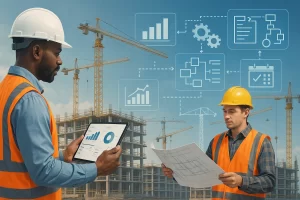














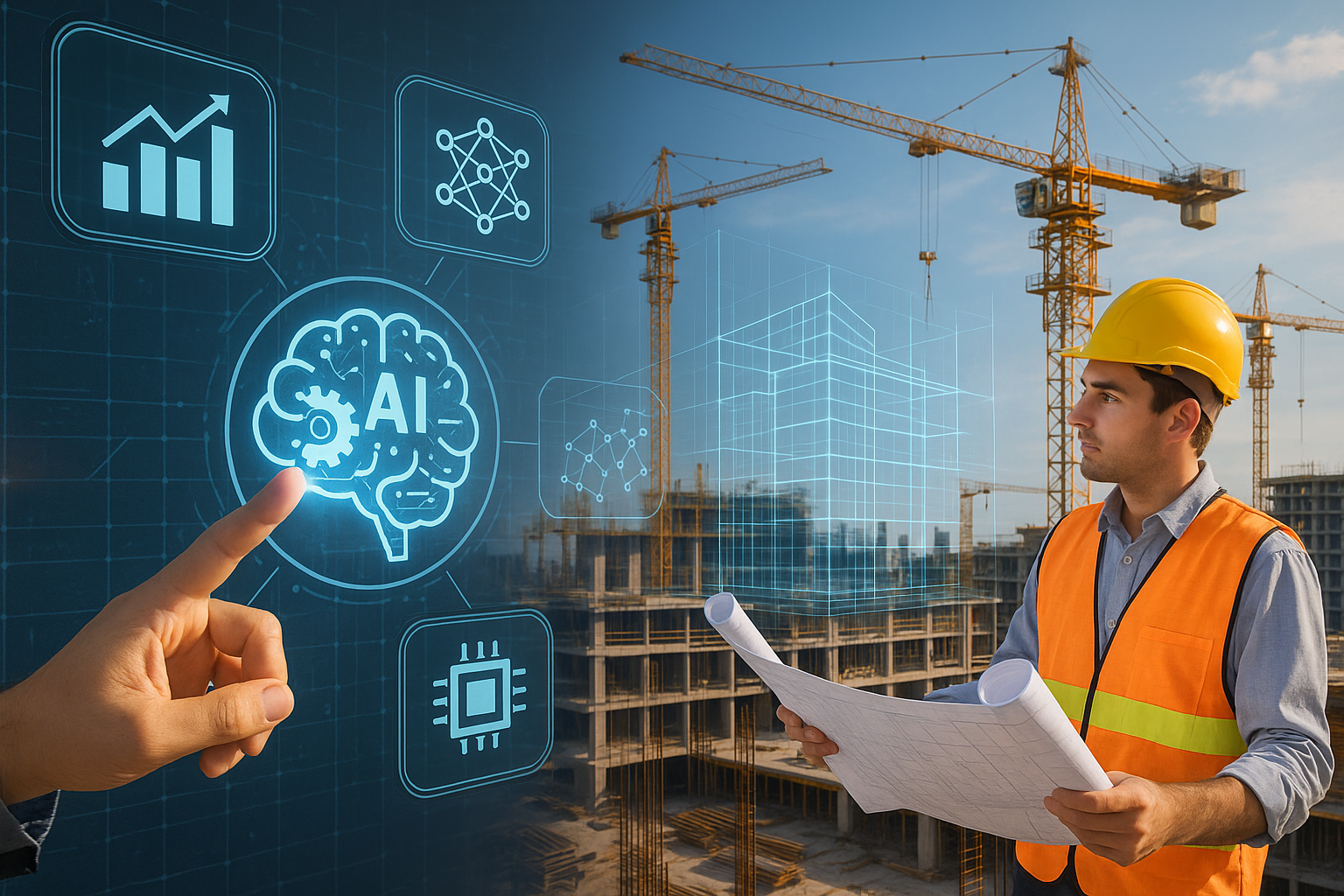

The construction industry is witnessing a transformative shift, thanks to the rise of artificial intelligence in construction. AI and machine learning in construction are no longer futuristic concepts—they are actively reshaping how projects are planned, designed, and executed. From improving accuracy in project design to optimizing resources and timelines, these technologies are solving real problems that have long plagued the construction sector.
With machine learning in construction, project managers can predict potential risks, automate time-consuming tasks, and enhance decision-making processes. Artificial intelligence in construction management is not just about making processes faster; it’s about making them smarter, reducing costs, and ensuring that projects are completed on time and within budget.
As we delve deeper into how these technologies are revolutionizing the construction world, you’ll discover how AI-powered construction tools are enhancing everything from design innovation to project efficiency, making it easier than ever to tackle challenges in today’s fast-paced industry.
Let’s explore how AI and machine learning are not only transforming construction planning but also setting the stage for the future of the entire industry.
AI and Machine Learning: The Future of Construction
AI and machine learning are no longer just trends in the construction industry—they are the driving forces that are reshaping the entire sector. As construction professionals seek more innovative solutions, these technologies offer real, actionable results, improving everything from the design phase to the final construction stages. In this section, we’ll explore how AI in construction is revolutionizing processes and how machine learning in construction is setting the stage for the future of the industry.
How AI is Transforming the Construction Industry
AI is making a significant impact across all phases of construction. From enhancing design and planning to improving construction efficiency, AI is helping industry professionals make smarter, data-driven decisions.
- Predictive Analytics: AI can predict project timelines, costs, and potential delays with a high degree of accuracy, allowing for more proactive decision-making and better risk management.
- Automated Design: AI-driven design tools can generate more efficient building plans, ensuring that every detail from layout to structure is optimized for performance and cost.
- Improved Safety: AI can analyze data from past projects to predict safety hazards, helping to mitigate risks and enhance site safety.
- Resource Optimization: AI optimizes resource allocation by analyzing historical data and making real-time recommendations on how to use labor, materials, and equipment most effectively.
By integrating AI into construction processes, the industry is evolving to meet modern demands for faster, more sustainable, and cost-effective project execution.
The Role of Machine Learning in Shaping Future Construction Trends
Machine learning is integral to the future of construction, enabling technologies that can analyze vast amounts of data and learn from them to improve decision-making.
- Smart Construction: Machine learning is driving the next generation of smart buildings, using data to optimize energy efficiency, improve building performance, and reduce environmental impact.
- Predictive Maintenance: By analyzing equipment performance and predicting when maintenance is needed, machine learning reduces downtime, extends the lifespan of machinery, and prevents costly repairs.
- Project Management Efficiency: ML algorithms assist in analyzing project data in real-time, ensuring project milestones are met while keeping within budget and schedule.
- AI-Driven Construction Materials: Machine learning is helping engineers and architects discover and test new, more sustainable materials that reduce costs and environmental footprint.
By embracing machine learning in construction, the industry is opening up new possibilities for faster project delivery, more efficient workflows, and higher-quality structures. As the technology evolves, its impact on the construction sector will only continue to grow, pushing the boundaries of what’s possible.
AI-Driven Construction Planning: Revolutionizing Project Execution
The construction industry is undergoing a major transformation with AI and machine learning in construction. These technologies are reshaping how projects are planned and executed by automating tasks, predicting potential issues, and optimizing resource allocation. Artificial intelligence in construction is making project management smarter, more efficient, and cost-effective.
Through AI in construction planning, teams can enhance accuracy in scheduling, streamline communication, and ensure projects stay on track. With machine learning in construction, data-driven insights continuously refine planning strategies, improving outcomes with every step.
In the following sections, we’ll explore how AI is optimizing project scheduling, leveraging predictive analytics, and examining real-world AI-powered tools that are transforming construction planning and execution.
Optimizing Project Scheduling and Resource Management with AI
AI is transforming how construction teams approach project scheduling and resource management, making these tasks far more efficient and accurate. By automating scheduling processes, AI in construction planning can predict potential delays and optimize the allocation of materials, labor, and equipment, ensuring that every resource is used effectively.
Instead of relying on manual tracking, AI-based systems analyze historical data, adjusting resources dynamically as project conditions change. This enables teams to respond quickly to shifts in the schedule, weather disruptions, or supply chain issues. By leveraging machine learning in construction, AI tools continuously refine their predictions, improving over time and making future projects even more efficient.
The result is not just a faster, more predictable project schedule—it’s a smarter, more flexible one. The ability to adjust resources and timelines on the fly helps reduce project delays, lower costs, and improve overall project outcomes.
How Predictive Analytics is Transforming Construction Planning
Predictive analytics powered by machine learning in construction is providing a whole new way to manage risks and optimize project timelines. Unlike traditional methods, predictive analytics uses data from past projects to forecast potential problems—whether it’s material shortages, delays, or equipment failure—and take proactive steps to address them.
By integrating AI in construction planning, teams can analyze multiple variables in real time, from project progress to labor availability. These insights allow for more informed decision-making, ensuring projects stay on track even when unexpected challenges arise. Artificial intelligence in construction management enhances these predictive models by continuously learning from new data, ensuring they become more accurate with every use.
This capability not only saves time and money but also helps prevent costly mistakes before they happen, ultimately improving project outcomes and delivering more predictable results.
Real-World Examples of AI-Powered Tools in Construction Planning
Real-world examples clearly show how AI-powered construction tools are making a difference in project planning. PlanGrid, for instance, leverages AI to streamline document management and track project progress. By organizing blueprints, schedules, and updates automatically, it ensures teams have access to the latest information without the time-consuming task of manual updates. This efficiency leads to smoother communication and faster project execution. To explore how PlanGrid has improved construction planning, check out their case study.
Another standout tool is Smartvid.io, which uses machine learning in construction to analyze images and videos from job sites. This AI-powered tool identifies safety hazards, preventing potential risks and improving on-site safety. By learning from past data, Smartvid.io can predict risks, helping teams respond proactively. To learn more, read about Smartvid.io’s impact in their case study.
Lastly, Procore integrates a suite of AI-powered tools to automate and optimize project management tasks such as budgeting, scheduling, and team coordination. By reducing the need for manual input, Procore enhances project efficiency and accuracy, ensuring better results and fewer delays. You can read more about how Procore enhances construction planning through AI in their case study.
These AI tools in construction are not just innovations—they are essential components driving smarter, more efficient construction projects. By adopting these solutions, the industry can enhance project outcomes, reduce risks, and ultimately deliver better results.
Machine Learning in Construction Design
The role of machine learning in construction design is more than just a technological upgrade—it’s a fundamental shift in how architects and engineers approach building design. By harnessing the power of machine learning in construction, the industry is uncovering new levels of design optimization, sustainability, and precision. As technology continues to evolve, AI in construction offers solutions that transform traditional building design processes into dynamic, intelligent systems that anticipate needs, enhance efficiency, and reduce waste.
From speeding up design workflows to producing more energy-efficient structures, artificial intelligence in construction is enabling architects to innovate like never before. In the sections below, you’ll discover how machine learning algorithms are improving building designs and how real-world examples show the growing impact of these technologies in architecture.
How Machine Learning is Transforming Architecture
The evolution of machine learning in construction has drastically altered the way architects approach building design. With AI in architecture, manual processes that once took days or weeks can now be completed in seconds, offering more time for creative and innovative solutions. Machine learning algorithms are enhancing the ability to predict patterns, optimize layouts, and even simulate how materials will react over time.
Architects are no longer constrained by traditional methods—machine learning in architecture allows them to make data-driven decisions, creating more sustainable and efficient designs. These AI-powered systems assess vast amounts of data in real-time, improving every aspect of a building’s design, from structural integrity to energy efficiency. Artificial intelligence in construction is setting new standards, where intuition and data harmonize, making buildings smarter, greener, and more responsive to their environments.
By integrating AI in construction planning, architects are unlocking the potential to create designs that are not only aesthetically pleasing but also optimized for performance and sustainability. This change is more than a trend—it’s a necessary shift that is shaping the future of the built environment.
Optimizing Design with Machine Learning Algorithms
Machine learning algorithms are the backbone of modern architectural design, driving improvements that once seemed impossible. The power of these algorithms lies in their ability to analyze immense datasets and generate optimized design solutions in real-time. AI in construction design enables designers to explore a vast array of possibilities, from structure layouts to materials selection, all within the confines of budget and time constraints.
Rather than relying on trial and error, machine learning uses historical data to continually refine and enhance design choices. Whether it’s optimizing energy consumption or maximizing space utilization, AI in architecture can suggest adjustments that human designers may not have considered. This level of precision and efficiency isn’t just improving design—it’s fundamentally changing the approach to architectural problem-solving.
By leveraging machine learning in construction, architects and designers can deliver buildings that are not only more functional but also more cost-effective and sustainable. The potential for optimized design is limitless, offering a new era of AI-powered architecture that enhances every aspect of the design process.
Real-World ML Applications in Architecture
The real power of machine learning in construction design is evident in the growing list of real-world applications that are transforming the architecture industry. Autodesk Revit, for example, uses machine learning to optimize designs by automatically adjusting building components based on data, reducing the need for manual intervention. Through its AI capabilities, Revit not only improves design accuracy but also helps streamline collaboration between teams, ensuring smoother project execution. Learn more about how Revit is reshaping design with AI in this Autodesk Revit case study.
Spacemaker AI, another breakthrough tool, leverages machine learning in construction to optimize land use. By analyzing urban layouts and environmental data, Spacemaker suggests the most efficient design alternatives that maximize light, green space, and resource utilization. This application is particularly beneficial in dense urban environments, where every inch of space matters. Explore Spacemaker’s impact on urban planning in this Spacemaker AI case study.
Lastly, generative design powered by machine learning is taking architectural innovation to new heights. AI-driven generative design tools like those used by Autodesk create multiple design options based on input constraints, helping architects select the optimal layout in terms of performance, cost, and sustainability. This process isn’t just about improving individual buildings; it’s about rethinking how we approach design as a whole. Discover more about how generative design is driving architectural evolution in this generative design case study.
These real-world examples demonstrate the undeniable impact of machine learning in construction. As these technologies continue to evolve, the architecture industry will experience even greater innovations, delivering smarter, more efficient, and sustainable designs.
Harnessing AI for Smarter Construction Project Management
The integration of AI and machine learning in construction has brought a monumental shift in how project management is approached. From streamlining workflows to improving decision-making, artificial intelligence in construction management is helping project managers tackle complex challenges faster and more efficiently. This section will dive into the tools and techniques that are redefining the construction management landscape, making it easier for teams to deliver successful projects on time and within budget. By the end of this section, you’ll discover how AI-powered project management software, automation, and real-time decision-making are transforming the industry.
Project Management Software Powered by AI
AI-driven project management software is transforming the construction industry by offering intuitive, real-time solutions for project tracking, budgeting, and scheduling. These tools integrate machine learning to predict delays, optimize resource allocation, and enhance communication across project teams.
- Predictive Analytics: AI tools predict project timelines, resource needs, and potential delays based on historical data.
- Enhanced Collaboration: Real-time updates and automatic sharing of project statuses help teams work together seamlessly.
- Resource Allocation: AI-powered software optimizes the allocation of labor, materials, and equipment to ensure efficiency.
By using AI in construction, project managers can ensure projects are on schedule and within budget, while enhancing overall team collaboration and workflow.
Automating Routine Tasks with AI to Improve Efficiency
AI’s power lies in its ability to automate repetitive tasks, allowing project managers to focus on high-priority decisions. Automation in construction frees up valuable time by handling tasks that were previously time-consuming and prone to error, such as scheduling, reporting, and change order tracking.
- Automated Scheduling: AI adjusts schedules in real-time based on project conditions and progress.
- Risk Assessment: AI detects potential risks like cost overruns and delays, offering solutions to mitigate them.
- Budget Tracking: Automatically track costs and compare them with the budget, flagging discrepancies immediately.
This automation of routine tasks significantly boosts efficiency, reduces human error, and allows teams to stay on top of project goals.
Real-Time Decision Making in Project Management Using AI
Real-time decision-making is critical in fast-paced construction environments. AI in construction management allows project managers to make informed, data-driven decisions on the fly, ensuring that no delay or issue goes unnoticed.
- Real-Time Data Analysis: AI tools analyze project data and offer actionable insights instantly.
- Proactive Adjustments: AI identifies problems early, such as weather delays or material shortages, and suggests solutions.
- Improved Communication: AI-enhanced tools provide up-to-date information to all stakeholders, ensuring clear communication across teams.
With AI for project management, decisions are made faster and smarter, enabling teams to stay ahead of issues and keep projects moving forward efficiently.
Key AI and ML Tools for the Construction Industry
The construction industry is rapidly adopting AI and machine learning in construction, using these technologies to streamline processes, improve safety, and drive innovation. The tools available today aren’t just improving project efficiency—they’re revolutionizing how construction firms operate, from design to execution. In this section, we’ll explore the top AI tools that are shaping the future of construction, how companies are embracing this change, and how seamlessly AI and ML can integrate with existing construction software.
Top AI and ML Tools Shaping the Future of Construction
AI in construction isn’t a distant dream—it’s a reality transforming the industry right now. The most effective tools use machine learning and artificial intelligence to address common pain points such as cost overruns, schedule delays, and safety concerns.
- Procore: This all-in-one construction management software integrates AI tools that help with scheduling, budgeting, and real-time tracking of projects. By analyzing historical data, it can predict potential delays or cost increases, allowing teams to take action before issues arise.
- PlanGrid: A cloud-based solution, PlanGrid uses AI in construction to track and manage blueprints, issues, and project progress. The AI-powered features help teams access the most up-to-date information instantly, reducing errors and improving project coordination.
- Smartvid.io: A tool that combines AI and machine learning to analyze job site photos and videos, Smartvid.io enhances safety and efficiency. Its AI-driven platform identifies hazards and potential issues on-site, alerting managers before accidents or delays occur.
These AI-powered tools are the backbone of modern construction projects, making operations smarter, more efficient, and more predictive than ever before. With these tools, construction companies are staying ahead of potential risks and delivering successful projects on time.
How Construction Firms are Embracing AI for Innovation
The adoption of AI and machine learning in construction isn’t just about keeping up with trends—it’s about driving innovation and staying competitive. Construction firms are embracing AI to solve challenges ranging from resource management to optimizing design workflows.
- Predictive Analytics: Machine learning in construction helps companies forecast project outcomes based on historical data. With predictive analytics, firms can better manage budgets, timelines, and resources, resulting in fewer surprises and greater control over project delivery.
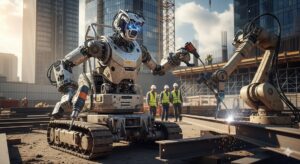
- Robotics and Automation: AI-powered robotics are being integrated into construction sites to handle repetitive or dangerous tasks, improving worker safety and project speed. For example, automated bricklaying robots and AI-powered drones are streamlining tasks that once took large teams of workers.
- Enhanced Collaboration: AI-driven project management software enables teams to collaborate in real-time, access project information quickly, and make better-informed decisions. This improves communication, reduces misunderstandings, and ensures that all team members are aligned throughout the project.
Firms using AI and machine learning tools are seeing significant improvements in both the speed and quality of their projects. Embracing artificial intelligence in construction management isn’t just about technology—it’s about creating an innovation-driven culture that maximizes every opportunity for improvement.
Seamlessly Integrating AI and ML with Construction Software
The real power of AI and machine learning in construction lies in its seamless integration with existing software systems. It’s not about replacing current tools; it’s about enhancing them with AI-powered capabilities that automate processes, predict issues, and provide smarter insights.
- BIM Integration: Building Information Modeling (BIM) platforms, like Autodesk Revit, now include AI-driven features that help with design optimization and resource allocation. The integration of machine learning algorithms into BIM allows architects and engineers to make data-backed decisions, improving the efficiency of the building process.
- ERP Systems: Enterprise Resource Planning (ERP) systems are also benefiting from AI integration. By using machine learning, these systems help firms manage everything from procurement to labor allocation, streamlining operations and reducing costs.
- Cloud Platforms: Cloud-based platforms like Procore integrate machine learning tools to offer real-time project updates and analytics. These tools track project progress, highlight risks, and automatically adjust schedules, ensuring that teams are always working with the most up-to-date information.
The seamless integration of AI and ML tools into existing construction management software makes the entire project lifecycle more efficient, with better risk management and enhanced collaboration. With these integrations, construction firms can work smarter—not harder.
Benefits of Machine Learning in Construction
Machine learning in construction offers a wealth of benefits that help streamline operations, reduce costs, and improve the quality of work. By analyzing vast amounts of data, ML algorithms identify patterns, optimize processes, and make real-time decisions that enhance project efficiency and minimize risks. These tools are enabling construction companies to proactively address issues such as delays, budget overruns, and safety hazards, allowing them to deliver projects on time and within budget. As the construction industry continues to adopt artificial intelligence, the advantages of machine learning become increasingly evident, driving greater innovation and competitiveness in the sector.
- Enhanced Efficiency: Machine learning algorithms automate routine tasks like scheduling, budgeting, and resource allocation, allowing teams to focus on critical decision-making.
- Risk Mitigation: Predictive analytics helps identify potential risks early on, including project delays or equipment failures, enabling teams to take preventive action before issues arise.
- Cost Reduction: By improving accuracy in project estimation and resource allocation, machine learning helps reduce unnecessary expenses and avoid costly mistakes.
- Improved Safety: AI-driven tools analyze job site data to identify potential safety hazards, helping prevent accidents and enhancing overall worker safety.
- Optimized Resource Management: AI tools ensure that materials, labor, and equipment are allocated efficiently, preventing waste and ensuring projects stay on track.
- Better Decision Making: With real-time insights and data-backed recommendations, machine learning empowers project managers to make informed decisions quickly and with greater confidence.
- Quality Assurance: AI algorithms analyze designs, materials, and construction methods to ensure quality standards are met, reducing the likelihood of errors or defects.
By leveraging machine learning in construction, companies are not only optimizing their current workflows but also setting the foundation for smarter, more sustainable construction practices in the future.
How AI and Machine Learning Optimize Construction Projects
The power of AI and machine learning in construction lies in its ability to make the entire project lifecycle more efficient, accurate, and responsive to changes. These technologies continuously learn from project data, providing real-time insights that help construction managers make smarter decisions and optimize every phase of the project. From initial design to final delivery, AI in construction helps ensure that projects are completed on time, within budget, and with a high level of quality.
By automating routine tasks and predicting potential issues, machine learning in construction offers an unparalleled advantage in improving project outcomes. Whether it’s forecasting costs, improving resource management, or enhancing safety protocols, these technologies allow teams to work more effectively and avoid costly delays or errors.
AI in Budgeting and Cost Estimation for Construction Projects
AI in construction budgeting has significantly improved the accuracy of cost estimations. Using machine learning algorithms, AI tools analyze historical project data, local market trends, and other relevant factors to generate precise cost predictions. These tools continuously adjust cost estimates in real-time as variables change, providing more accurate and up-to-date financial forecasts.
- Accurate Cost Projections: AI-driven tools help forecast project costs by analyzing vast amounts of historical data, minimizing the risk of budget overruns.
- Real-Time Adjustments: Machine learning constantly updates cost estimates based on project progress, changes in material prices, or labor costs, keeping the project on budget.
- Budget Optimization: AI algorithms help identify areas where costs can be reduced without compromising quality, ensuring better financial management.
By integrating AI for budgeting and cost estimation, construction projects can avoid financial surprises and deliver projects with greater financial control.
Enhancing Supply Chain Management through AI and ML
AI and machine learning are transforming supply chain management in construction by optimizing inventory, predicting demand, and improving material logistics. With the ability to track materials in real-time and analyze data from suppliers, AI tools ensure that construction projects have the necessary resources when and where they’re needed.
- Demand Forecasting: AI-powered systems predict material needs based on project timelines, reducing the chances of overstocking or material shortages.
- Improved Supplier Coordination: Machine learning algorithms analyze supplier performance, helping construction firms select the most reliable and cost-effective suppliers.
- Logistics Optimization: AI tools optimize delivery schedules and routes, ensuring that materials arrive on time and reducing downtime caused by delays.
These AI-driven improvements in supply chain management reduce costs, eliminate inefficiencies, and ensure that construction projects run smoothly and on schedule.
AI-Driven Predictive Maintenance for Construction Equipment
AI-powered predictive maintenance is transforming how construction companies maintain their equipment, helping to prevent costly breakdowns and extend the life of machinery. By leveraging machine learning algorithms, construction firms can predict when equipment is likely to fail, based on usage patterns, wear and tear, and historical performance data.
- Early Detection of Issues: Machine learning analyzes equipment data to identify signs of potential failure before it happens, preventing costly downtime.
- Optimized Maintenance Schedules: AI tools predict the best times for maintenance, reducing the risk of unscheduled equipment failures and costly repairs.
- Cost Savings: By reducing unplanned downtime and extending the lifespan of machinery, AI-powered predictive maintenance significantly lowers maintenance costs.
With AI-driven predictive maintenance, construction companies can ensure their equipment remains in optimal condition, reducing unexpected costs and keeping projects on track.
The Future of Construction Technology with AI
The power of AI and machine learning in construction lies in its ability to make the entire project lifecycle more efficient, accurate, and responsive to changes. These technologies continuously learn from project data, providing real-time insights that help construction managers make smarter decisions and optimize every phase of the project. From initial design to final delivery, AI in construction helps ensure that projects are completed on time, within budget, and with a high level of quality.
By automating routine tasks and predicting potential issues, machine learning in construction offers an unparalleled advantage in improving project outcomes. Whether it’s forecasting costs, improving resource management, or enhancing safety protocols, these technologies allow teams to work more effectively and avoid costly delays or errors.
AI in Budgeting and Cost Estimation for Construction Projects
AI in construction budgeting has significantly improved the accuracy of cost estimations. Using machine learning algorithms, AI tools analyze historical project data, local market trends, and other relevant factors to generate precise cost predictions. These tools continuously adjust cost estimates in real-time as variables change, providing more accurate and up-to-date financial forecasts.
- Accurate Cost Projections: AI-driven tools help forecast project costs by analyzing vast amounts of historical data, minimizing the risk of budget overruns.
- Real-Time Adjustments: Machine learning constantly updates cost estimates based on project progress, changes in material prices, or labor costs, keeping the project on budget.
- Budget Optimization: AI algorithms help identify areas where costs can be reduced without compromising quality, ensuring better financial management.
By integrating AI for budgeting and cost estimation, construction projects can avoid financial surprises and deliver projects with greater financial control.
Enhancing Supply Chain Management through AI and ML
AI and machine learning are transforming supply chain management in construction by optimizing inventory, predicting demand, and improving material logistics. With the ability to track materials in real-time and analyze data from suppliers, AI tools ensure that construction projects have the necessary resources when and where they’re needed.
- Demand Forecasting: AI-powered systems predict material needs based on project timelines, reducing the chances of overstocking or material shortages.
- Improved Supplier Coordination: Machine learning algorithms analyze supplier performance, helping construction firms select the most reliable and cost-effective suppliers.
- Logistics Optimization: AI tools optimize delivery schedules and routes, ensuring that materials arrive on time and reducing downtime caused by delays.
These AI-driven improvements in supply chain management reduce costs, eliminate inefficiencies, and ensure that construction projects run smoothly and on schedule.
AI-Driven Predictive Maintenance for Construction Equipment
AI-powered predictive maintenance is transforming how construction companies maintain their equipment, helping to prevent costly breakdowns and extend the life of machinery. By leveraging machine learning algorithms, construction firms can predict when equipment is likely to fail, based on usage patterns, wear and tear, and historical performance data.
- Early Detection of Issues: Machine learning analyzes equipment data to identify signs of potential failure before it happens, preventing costly downtime.
- Optimized Maintenance Schedules: AI tools predict the best times for maintenance, reducing the risk of unscheduled equipment failures and costly repairs.
- Cost Savings: By reducing unplanned downtime and extending the lifespan of machinery, AI-powered predictive maintenance significantly lowers maintenance costs.
With AI-driven predictive maintenance, construction companies can ensure their equipment remains in optimal condition, reducing unexpected costs and keeping projects on track.
AI-Enhanced Building Design Software
AI-enhanced building design software is revolutionizing architecture by equipping architects and engineers with smarter tools that improve design efficiency and creativity. Through the power of machine learning in construction, these AI-driven tools analyze vast amounts of data to suggest design optimizations, simulate building performance under various conditions, and ensure sustainability. The result is a design process that is not only faster and more accurate but also more cost-effective and environmentally friendly. By automating repetitive tasks and providing valuable insights, AI allows architects to focus on innovative aspects of design, while ensuring projects meet all technical and regulatory requirements. This shift is pushing the boundaries of what’s possible in architectural design, creating buildings that are both functional and sustainable.
How AI is Revolutionizing Building Information Modeling
AI is revolutionizing Building Information Modeling (BIM) by adding layers of intelligence that significantly enhance the design, construction, and management of buildings. With AI in BIM, design teams can now create highly detailed and dynamic models that update in real-time, allowing for more accurate simulations and better collaboration across the project lifecycle.
- Real-Time Data Integration: AI tools in BIM allow architects, engineers, and contractors to integrate real-time data, providing more accurate and up-to-date project insights.
- Automated Clash Detection: AI-powered BIM automatically detects conflicts between different systems (HVAC, electrical, plumbing), allowing for quicker resolution and fewer errors during construction.
- Optimized Building Performance: AI analyzes the model to suggest design improvements that can reduce energy consumption, improve sustainability, and lower operational costs.
By integrating machine learning and AI in BIM, construction teams can create smarter, more efficient buildings that perform better throughout their lifecycle.
AI Integration in Smart Design Software for Architects
AI integration in smart design software is empowering architects to create smarter, more sustainable buildings with greater ease and efficiency. These tools harness the power of machine learning to optimize every aspect of the design process, from layout and material selection to environmental impact assessments.
- Automated Design Generation: AI-powered tools suggest optimized designs based on building requirements, reducing the time spent on manual iterations and improving design accuracy.
- Sustainability Integration: AI design software evaluates environmental factors such as energy efficiency, light exposure, and material sustainability, ensuring that every design choice aligns with sustainability goals.
- Enhanced Collaboration: AI tools in design software improve communication between architects, engineers, and contractors by providing real-time, shared access to design models and updates.
The integration of AI in design software for architects is enabling more innovative, environmentally responsible, and cost-efficient buildings, making the architectural process more intelligent than ever before.
AI and Machine Learning in Civil Engineering
AI and machine learning in civil engineering are not just trends—they are revolutionizing the way infrastructure is designed, built, and maintained. These powerful technologies are enabling engineers to improve accuracy, enhance project timelines, and reduce risks. As the construction industry faces increasing demands for smarter, faster, and more sustainable solutions, AI in civil engineering provides the tools to meet these challenges head-on. From structural design to safety management, machine learning and AI-powered tools are driving innovation across all areas of civil engineering.
In the sections below, you’ll discover how machine learning in structural engineering is optimizing designs and improving efficiency, as well as how AI for safety and risk management is changing the way engineers approach risk mitigation and on-site safety. As these technologies continue to evolve, AI and machine learning in civil engineering are setting the stage for the next generation of smart infrastructure.
Machine Learning in Structural Engineering
Machine learning in structural engineering is transforming the way engineers design and optimize structures. AI-driven algorithms allow for performance predictions, design optimizations, and material testing without relying on extensive physical prototypes. This accelerates the design process, improves accuracy, and minimizes costly errors.
By analyzing data from past projects, machine learning identifies patterns and predicts a structure’s durability, safety, and overall performance. It can simulate how materials react under stress and predict a building’s behavior in different conditions, providing real-time insights for better decision-making.
For example, machine learning tools can recommend the most efficient materials based on cost, environmental impact, and longevity, leading to more sustainable and cost-effective designs. As AI evolves, its ability to optimize and innovate in structural engineering will continue to expand.
AI for Safety and Risk Management in Civil Engineering
Safety and risk management are vital in construction, but traditional methods often fall short in predicting hazards and making real-time adjustments. With AI for safety and risk management in civil engineering, construction sites benefit from real-time monitoring and predictive analysis to prevent accidents before they occur.
AI-driven tools analyze on-site data to identify patterns and anomalies, helping to detect potential risks such as falls, health concerns, or environmental hazards. By continuously learning from new data, machine learning algorithms enhance accuracy, ensuring a safer work environment.
In addition to improving safety, AI in construction risk management enables project managers to predict challenges like equipment failure, material shortages, or weather delays, allowing proactive solutions to keep projects on track and within budget.
Integrating AI-powered risk management systems helps construction firms reduce incidents, protect workers, and deliver projects safely and efficiently, setting new standards for future-ready construction sites.
Challenges and Ethical Considerations of Using AI in Construction
As AI in construction transforms the industry, it brings challenges like data privacy, security, and resistance to adoption. While AI offers significant benefits, construction firms must address concerns around protecting sensitive data, ensuring compliance with data protection laws, and managing the risks associated with data breaches. Additionally, AI adoption in construction often faces resistance due to perceived high costs, complexity, and disruption of traditional processes. Overcoming this requires clear communication of AI’s long-term value and a shift in mindset toward embracing innovation for improved efficiency and safety.
- Data Privacy and Security Concerns: Safeguard sensitive information through strong security measures and compliance with data protection regulations.
- Ethical Use of AI: Ensure AI systems make unbiased decisions, particularly in safety and resource allocation.
- Overcoming Resistance to AI Adoption: Address concerns about costs and complexity by educating stakeholders on the benefits of AI.
- Cost of Implementation: Balance initial investment with long-term efficiency gains and risk reduction.
- Skilled Workforce: Invest in training or hire professionals skilled in AI and machine learning to manage AI systems effectively.
By addressing these challenges, the construction industry can unlock the full potential of AI and machine learning, driving ethical innovation and improved project outcomes.
Conclusion
The integration of AI and machine learning in construction is not just a technological advancement—it’s a complete game-changer for the industry. From optimizing design and planning processes to enhancing safety and risk management, these technologies are revolutionizing how construction projects are executed. The ability to make data-driven decisions, predict potential risks, and automate routine tasks is not only improving efficiency but also making projects more cost-effective and sustainable.
As AI-powered tools continue to evolve, the construction industry will continue to see smarter, faster, and more innovative solutions. The future of construction is digital, and embracing AI in construction is essential for staying ahead in a rapidly evolving market.
FAQs
What are the top AI tools for construction planning?
How does machine learning improve construction design?
What is the ROI of integrating AI in construction projects?