














The year 2025 marks a decisive moment for the event industry. After years of experimentation with hybrid formats, digital platforms, and audience re-engagement, the market is entering a stage where only those who embrace event trends 2025 and adapt to fast-evolving modern conference trends will stay relevant. Attendees are no longer satisfied with basic setups or one-size-fits-all agendas. They expect experiences that feel personalized, innovative, sustainable, and inclusive—and they know exactly when an event fails to deliver.
This turning point isn’t just about technology or design. It’s about understanding the conference innovations that genuinely matter to people who invest their time and money to attend. The problem many organizers face is assuming what worked pre-2020 still works today. The truth is, audiences want conferences that connect them, guide them, and inspire them to act. If these needs aren’t met, they disengage, skip sessions, or choose competitor events that offer more.
Here lies the opportunity. Organizers who recognize this shift can transform challenges into long-term wins. By aligning strategies with modern conference expectations, integrating AI-driven personalization, and embracing sustainable practices, event professionals can create conferences that feel less like formal gatherings and more like communities built for lasting impact.
The coming sections will walk you through the top event trends to watch in 2025, revealing exactly what attendees value most and how forward-thinking planners can stay ahead. From conference innovations in technology to new engagement models, we’ll uncover insights you can immediately apply to make your events stand out. Let’s explore why this year is not just another tick on the calendar but a game-changing chapter in the evolution of conferences—and what it means for you.
The Big Picture: Event Industry Trends in 2025
The year 2025 marks a decisive moment for the event industry. After years of experimentation with hybrid formats, digital platforms, and audience re-engagement, the market is entering a stage where only those who embrace event trends 2025 and adapt to fast-evolving modern conference trends will stay relevant. Attendees are no longer satisfied with basic setups or one-size-fits-all agendas. They expect experiences that feel personalized, innovative, sustainable, and inclusive—and they know exactly when an event fails to deliver.
This turning point isn’t just about technology or design. It’s about understanding the conference innovations that genuinely matter to people who invest their time and money to attend. The problem many organizers face is assuming what worked pre-2020 still works today. The truth is, audiences want conferences that connect them, guide them, and inspire them to act. If these needs aren’t met, they disengage, skip sessions, or choose competitor events that offer more.
Here lies the opportunity. Organizers who recognize this shift can transform challenges into long-term wins. By aligning strategies with modern conference expectations, integrating AI-driven personalization, and embracing sustainable practices, event professionals can create conferences that feel less like formal gatherings and more like communities built for lasting impact.
The coming sections will walk you through the top event trends to watch in 2025, revealing exactly what attendees value most and how forward-thinking planners can stay ahead. From conference innovations in technology to new engagement models, we’ll uncover insights you can immediately apply to make your events stand out. Let’s explore why this year is not just another tick on the calendar but a game-changing chapter in the evolution of conferences—and what it means for you.
Attendee Expectations Shaping Conferences in 2025
Conference delegates have raised the bar. They no longer attend events simply for information; they attend for transformation. The real pain point for organizers is that attendees measure value not by the scale of the venue but by how well an event anticipates their needs. This shift explains why attendee experience trends 2025 are redefining the future of events. The reward for getting this right is loyalty, word-of-mouth influence, and strong participation. The risk of ignoring it is empty seats and disengaged audiences.
The following expectations outline exactly what matters most to attendees and why these changes will decide the winners and losers in the evolving world of modern conference trends.
Personalized Journeys That Elevate Every Experience
Attendees dislike being treated like just another registration number. They want personalized journeys that prove the event was designed with their unique goals in mind. The frustration comes when people are pushed through rigid agendas that waste time instead of delivering relevance.
- AI personalization suggests sessions based on past interests and preferences
- Machine learning marketing curates experiences that align with attendee intent
- Customer experience with AI builds seamless pre-event, on-site, and post-event touchpoints
- Dynamic agendas evolve in real time as participants interact with content
When attendees feel their time is valued, engagement deepens and satisfaction rises. Personalization is no longer a nice-to-have; it is the foundation of modern conference trends and a key differentiator among conference innovations.
Smart Networking That Builds Lasting Connections
Networking has always been a primary reason professionals attend conferences, yet many leave with a stack of business cards and no meaningful relationships. That’s the problem attendees want solved in attendee experience trends 2025.
- AI-assisted networking pairs delegates with relevant matches automatically
- Smart matchmaking tools highlight common goals, interests, and expertise
- Interactive event apps streamline introductions and keep conversations flowing
- Curated spaces blend technology with in-person engagement to spark real collaboration
When networking feels intuitive and impactful, attendees walk away with opportunities, not just contacts. This is how conference innovations transform an ordinary event into a catalyst for long-term professional growth.
Wellness and Comfort as Core Event Essentials
Even the most insightful agenda falls flat if attendees feel exhausted or uncomfortable. The expectation in 2025 is clear: wellness and comfort are central to the design of every event. The challenge is that many organizers still overlook these basics.
- Ergonomic seating and thoughtful layouts reduce fatigue and distraction
- Healthy food options and hydration stations support energy and focus
- Mindfulness zones and recharge areas reflect holistic care
- Balanced schedules avoid overload and respect human limits
By weaving wellness into the fabric of event design, conferences show they value people as much as programs. These essentials are not luxuries; they are defining features of modern conference trends.
The Tech Trends Redefining Conferences
Every year brings new promises of innovation, but event trends 2025 are different. They are not about flashy gimmicks; they are about reshaping how people connect, learn, and engage. Organizers who embrace these modern conference trends unlock experiences that feel smarter, more human, and more impactful. From AI personalization that anticipates needs to conference innovations in immersive technology, these shifts are rewriting the blueprint of successful events. By understanding them, you gain the power to design conferences that not only attract attendees but keep them talking long after the final session.
AI Personalization That Anticipates Attendee Needs
The biggest frustration for attendees is feeling lost in a schedule that does not fit their goals. They crave relevance, yet many conferences still push one-size-fits-all agendas. That disconnect leaves people disengaged and questioning the value of their time.
The solution is AI personalization supported by machine learning marketing. These tools analyze preferences, behaviors, and past interactions to deliver personalized recommendations for sessions, networking, and content. Attendees see an agenda that adapts to them, not the other way around.
- Session mapping based on individual interest patterns
- AI-powered suggestions for who to meet and where to spend time
- Customer experience with AI that extends before and after the event
The result is clear: delegates feel valued, engaged, and more likely to return. Personalization is no longer a perk but the driving force behind conference innovations. This expectation leads naturally into how events themselves are expanding in scope.
Hybrid and Metaverse Events Expanding Reach
Attendees want flexibility. Some prefer the buzz of live venues, while others demand the convenience of digital access. The pain point is when events force a choice, leaving potential participants excluded.
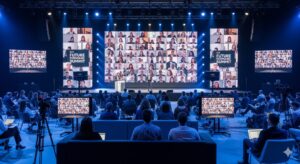
The answer lies in hybrid events and metaverse-ready conferences, which expand reach without compromising quality. By blending digital platforms with physical venues, organizers create inclusive experiences where anyone can join, regardless of geography.
- Hybrid formats that bridge onsite and remote audiences
- Metaverse environments offering virtual stages, booths, and networking lounges
- Scalable engagement tools that make distance irrelevant
When events open doors to both physical and digital worlds, their influence grows exponentially. This shift reflects a larger truth: technology is not replacing human connection but multiplying it. Which brings us to the most exciting of all—immersive engagement.
AR and VR Making Conferences Immersive
Sitting passively in an auditorium no longer excites attendees. They want interaction, immersion, and experiences that feel unforgettable. The old model of static presentations has reached its limit.
That’s why AR and VR in conferences are gaining traction as game-changers. They move attendees from observation to participation, turning learning into an experience.
- Augmented reality overlays that enhance live presentations
- Virtual reality simulations for hands-on training and product demos
- Immersive storytelling that keeps audiences engaged on a deeper level
By giving participants the power to explore rather than just observe, events unlock a level of engagement that traditional formats cannot match. Immersion becomes a memory, and memories drive loyalty. The next step is making these tools accessible at scale.
Smart Event Apps Driving Seamless Connections
Even the most advanced event can fall apart without smooth logistics. Attendees grow frustrated when information is hard to find or networking feels clumsy. They expect simplicity, speed, and tools that guide them with ease.
This is where event apps and smart networking tools prove their worth. They integrate schedules, content, and introductions into one seamless experience.
- Centralized event guides with real-time updates
- AI-powered matchmaking for relevant networking suggestions
- Interactive features like polls, chats, and Q&A sessions
- Post-event insights that extend the conversation
By removing friction, apps make conferences feel effortless. When technology works invisibly in the background, attendees focus on what matters—building knowledge, making connections, and enjoying the experience. And that seamlessness sets the stage for future-ready events that redefine what success looks like.
Sustainability & Inclusivity: Non-Negotiables
The pressure on event organizers has shifted. Attendees, partners, and sponsors no longer view sustainability or inclusivity as extras; they see them as must-haves. The frustration is clear: conferences that ignore environmental responsibility or fail to make everyone feel welcome lose credibility fast. The reward for those who adapt is powerful—events that are respected, future-ready, and remembered for the right reasons. These priorities are no longer trends; they are the standards that define modern conference success. The following expectations reveal what makes an event relevant and respected in event trends 2025.
Green Events with Eco-Friendly Venues, Materials, and Travel
Organizers face criticism when their events generate waste, overlook sustainable choices, or ignore the carbon footprint of travel. Attendees notice, and the damage to reputation can be lasting.
- Eco-friendly venues powered by renewable energy signal a genuine commitment
- Sustainable materials in signage, stages, and giveaways reduce waste
- Green travel initiatives, such as carbon offset programs, encourage responsible attendance
- Local sourcing for food and supplies strengthens partnerships and lowers environmental impact.
These conference innovations not only reduce costs but also inspire loyalty. When attendees feel their values are shared, they become advocates. Sustainability is now an expectation, not an afterthought, and it sets the tone for building trust with stakeholders
Accessibility and Inclusive Design for Diverse Attendees
Exclusion is a silent killer of engagement. A delegate who cannot access content, navigate a venue, or fully participate leaves frustrated—and often does not return.
- Accessible venues designed for mobility, hearing, and visual needs
- Inclusive digital platforms with captions, screen-reader compatibility, and multilingual support
- Event design that accommodates different learning styles and cultural sensitivities
- Clear communication that signals inclusion before attendees even register
When events invest in inclusive design, they prove that every voice matters. These practices transform gatherings into communities where diverse participants feel valued. This is a critical dimension of modern conference trends that cannot be ignored.
DEI as a Standard Practice, Not a Talking Point
Audiences are quick to spot when diversity, equity, and inclusion are treated as a marketing slogan rather than a lived value. Empty gestures frustrate attendees who want real change.
- Diverse speaker lineups bring fresh perspectives and broaden appeal
- Equitable opportunities for exhibitors, sponsors, and vendors reinforce fairness
- Inclusive hiring and staffing at events demonstrates values in action
- Ongoing DEI policies build credibility long after the event ends
Making DEI a standard practice is not just ethical—it is strategic. Conferences that embrace this shift attract wider audiences and enjoy stronger partnerships. In 2025, inclusivity defines leadership in the event space.
Event Formats and Content Delivery Evolving
The way content is delivered at conferences is just as important as the content itself. Attendees are no longer satisfied with long sessions and rigid schedules. They want flexibility, interactivity, and formats that respect their time while deepening engagement. This is why modern conference expectations 2025 are rewriting the playbook. The winners will be those who embrace event engagement ideas 2025 that transform passive audiences into active participants.
Micro-Events Building Stronger Niche Communities
Large conferences often overwhelm participants, leaving them lost in the crowd. The frustration is clear: attendees crave intimacy, relevance, and genuine connection.
- Micro-events create smaller, highly targeted gatherings that feel personal
- Niche communities form around shared expertise, interests, or industries
- Organizers can deliver conference innovations without logistical complexity
- Stronger bonds form because discussions stay focused and impactful
These event trends 2025 show that big is not always better. Attendees are more likely to stay engaged when events feel tailor-made for their community. This intimacy becomes the reason they return.
Hybrid Learning and On-Demand Sessions Extending Value
One of the biggest complaints attendees voice is missing valuable sessions due to scheduling conflicts or travel constraints. That problem disappears with hybrid learning and on-demand sessions.
- Hybrid models allow participation both onsite and remotely without losing quality
- Recorded sessions let attendees revisit content at their own pace
- On-demand libraries extend the conference’s life well beyond the closing day
- Organizers gain extra visibility and ROI by reaching audiences long after the event
These features are no longer perks—they are part of modern conference trends. Flexibility ensures learning continues, and the value of the event multiplies.
Immersive Storytelling Creating Experience-First Agendas
Traditional slide decks and monotone lectures fail to capture attention. Attendees today want stories, not presentations. The problem is clear: without emotional connection, even the most informative content falls flat.
- Immersive storytelling transforms sessions into memorable journeys.
- Creative use of visuals, sound, and interactivity deepens engagement.
- Experience-first agendas prioritize narrative flow over information overload.
- Attendees leave with stories to share, not just notes to file away.
These event engagement ideas 2025 prove that when learning feels like an experience, it leaves a mark. Organizers who weave storytelling into their agendas turn knowledge into impact.
How Event Formats Are Evolving in 2025
Attendees want more than lectures; they expect experiences that feel designed for their needs. The frustration with long sessions, packed agendas, and passive formats has pushed organizers to rethink how knowledge is shared. This is why modern conference expectations 2025 are shaping a new era of event engagement ideas 2025, where content is flexible, interactive, and built for impact.
Micro-Events That Build Niche Communities
Large conferences often drown attendees in endless options, leaving them with surface-level connections and diluted insights. The frustration comes when people invest time and money but walk away without meaningful value.
- Micro-events focus on specialized topics, making every conversation relevant
- Niche communities foster stronger engagement by connecting like-minded professionals
- Smaller groups create space for open dialogue and collaboration
- Organizers can test conference innovations without the complexity of massive logistics
These modern conference trends prove that less can deliver more. By focusing on intimacy and specialization, micro-events create loyalty that large gatherings struggle to match. And as expectations evolve, the demand for niche-driven experiences will only grow stronger.
Hybrid and On-Demand Learning Extending Value
The biggest frustration attendees face is missing out—whether due to travel, scheduling conflicts, or competing priorities. For organizers, that means lost engagement and reduced reach.
- Hybrid formats make content accessible both onsite and online
- On-demand sessions extend the life of the conference beyond closing day
- Recordings allow attendees to learn at their own pace, increasing retention
- Organizers benefit from extended visibility, sponsorship ROI, and repeat engagement
These event trends 2025 show that flexibility is now a requirement. By embracing modern conference trends in hybrid learning and content delivery, events become ongoing platforms of knowledge instead of one-off gatherings. That long-term value is what makes audiences return.
Immersive Storytelling Creating Experience-First Agendas
Flat presentations and endless slide decks no longer hold attention. Attendees crave stories that inspire, connect, and make them part of the journey. The challenge for organizers is turning information into experiences people actually remember.
- Immersive storytelling transforms learning into emotional and memorable moments
- Experience-first agendas build flow, keeping participants engaged throughout
- Creative use of visuals, interactivity, and live elements sparks curiosity
- Attendees leave with stories worth sharing, not just notes to file away
These conference innovations highlight why storytelling is no longer optional—it is the new language of engagement. Events that master this craft will not only capture attention but also earn lasting loyalty.
Industry-Specific Event Trends
Every industry has its own challenges, audiences, and expectations, which means event strategies cannot be one-size-fits-all. What works for a corporate summit may not resonate at a tech expo, and what excites healthcare or education professionals will look very different again. Understanding these nuances is key to staying relevant. These event trends 2025 show how each sector is adapting with modern conference trends and conference innovations to meet growing demands.
Corporate Events Focused on ROI and Lead Growth
The pressure in corporate and B2B events has always been tied to proving return on investment. The problem is that traditional events often generate leads that go cold quickly or fail to convert.
- ROI-driven agendas built around measurable outcomes attract executive buy-in
- Data-powered tools track attendee behavior and link it to sales opportunities
- Networking formats prioritize quality over quantity, ensuring stronger leads
- Conference innovations, such as predictive analytics, optimize conversion pathways
When attendees and sponsors see a clear financial impact, loyalty follows. These corporate event trends 2025 prove that success is no longer about attendance numbers—it is about revenue growth and long-term partnerships. This focus on measurable results is shaping the blueprint for business events moving forward.
Tech Conferences Showcasing Cutting-Edge Innovation
Tech audiences are the hardest to impress because they expect more than polished presentations. The frustration arises when conferences lag behind the very innovations they claim to showcase.
- Interactive demos powered by AR and VR immerse audiences in real experiences
- Metaverse-ready showcases highlight futuristic platforms and products
- AI-driven matchmaking connects startups with investors and potential partners
- Live product launches make the event the go-to stage for industry breakthroughs
These tech conference innovations 2025 show that the event itself must be a demonstration of technology at work. Attendees leave not just informed but inspired—and ready to adopt what they’ve seen. For organizers, this means positioning their events as launchpads for what’s next in digital transformation.
Healthcare and Education Events Prioritizing Safety and Digital Expansion
For sectors like healthcare and education, the priority goes beyond innovation—it’s about trust, compliance, and accessibility. The challenge is that any misstep in these industries can erode confidence.
- Safety-first venues and protocols reassure professionals in sensitive sectors
- Compliance-focused content aligns with regulations and industry standards
- Hybrid and digital expansions increase reach without compromising quality
- Interactive training platforms make learning hands-on and scalable
These healthcare conference trends 2025 and education event practices reflect the unique demands of industries where credibility is everything. Events that combine safety with digital expansion not only build confidence but also ensure knowledge is shared widely and responsibly.
Event Marketing and Engagement in 2025
Events succeed or fail on one critical factor—whether people actually show up and engage. The frustration for organizers is clear: traditional advertising no longer cuts through the noise, and audiences are quick to ignore anything that feels generic. The opportunity lies in leaning into event marketing trends 2025, where smart use of social media buzz, data-driven campaigns, and storytelling become the levers that attract, retain, and convert attendees. Those who master these modern conference trends will see higher visibility, stronger loyalty, and events that generate conversation long after the doors close.
Building Buzz with Social Media and Influencer Partnerships
Attendees don’t just want an event; they want to feel part of a movement. The problem is that many conferences fail to create pre-event excitement, leaving attendance numbers weaker than expected.
- Partnering with influencers amplifies reach and credibility instantly
- Social media teasers and behind-the-scenes content create curiosity
- Live posting during events sustains momentum and engagement
- User-generated content builds trust and extends visibility
These conference innovations show that buzz isn’t built by chance—it’s engineered through strategic partnerships and platforms. The more authentic the social energy, the stronger the turnout and participation.
Driving Attendance with Data-Powered Marketing and Retargeting
Too many event campaigns waste budget chasing the wrong audience. The frustration comes when ads generate clicks but not registrations. This is where data-backed marketing becomes the differentiator.
- Behavioral insights identify high-intent prospects
- Retargeting campaigns bring back undecided visitors with compelling offers
- Data segmentation personalizes messaging for different audience groups
- Real-time tracking optimizes ad spend for maximum ROI
These event trends 2025 prove that guesswork is over—precision wins. By making marketing smarter, organizers reduce costs and increase conversions, ensuring every campaign dollar delivers measurable impact.
Winning Audiences with Storytelling That Connects
Audiences tune out when event promotion feels like hard selling. They crave stories that connect emotionally and explain why the event matters to them.
- Experience-first storytelling highlights attendee journeys and success stories
- Campaigns that show transformation resonate strongly than plain promotion
- Emotional hooks inspire registrations more effectively than discounts
- Stories create long-term memory and brand affinity beyond the event
This shift shows why modern conference trends prioritize storytelling as the ultimate marketing tool. Events that master narrative-driven promotion don’t just fill seats—they inspire loyalty and advocacy.
Final Thoughts
As we approach the final months of 2025, the landscape of events is undeniably shifting. The trends, innovations, and strategies discussed will define the future of conferences for years to come. Personalization, technology integration, sustainability, and inclusivity are no longer optional—they are imperatives. By embracing these trends, event organizers will not only stay relevant but will lead the way in creating experiences that resonate deeply with attendees. From data-driven marketing to immersive storytelling, these strategies will ensure your events are impactful, memorable, and aligned with what audiences expect in 2025 and beyond. The key takeaway? Adapt now, or risk being left behind.
FAQs
What are the best platforms for hybrid events in 2025?
How can I measure ROI for hybrid events?
How can event planners integrate sustainability into virtual conferences?
What’s the role of AI in improving networking at events?
What are some effective strategies for keeping attendees engaged throughout a virtual conference?