















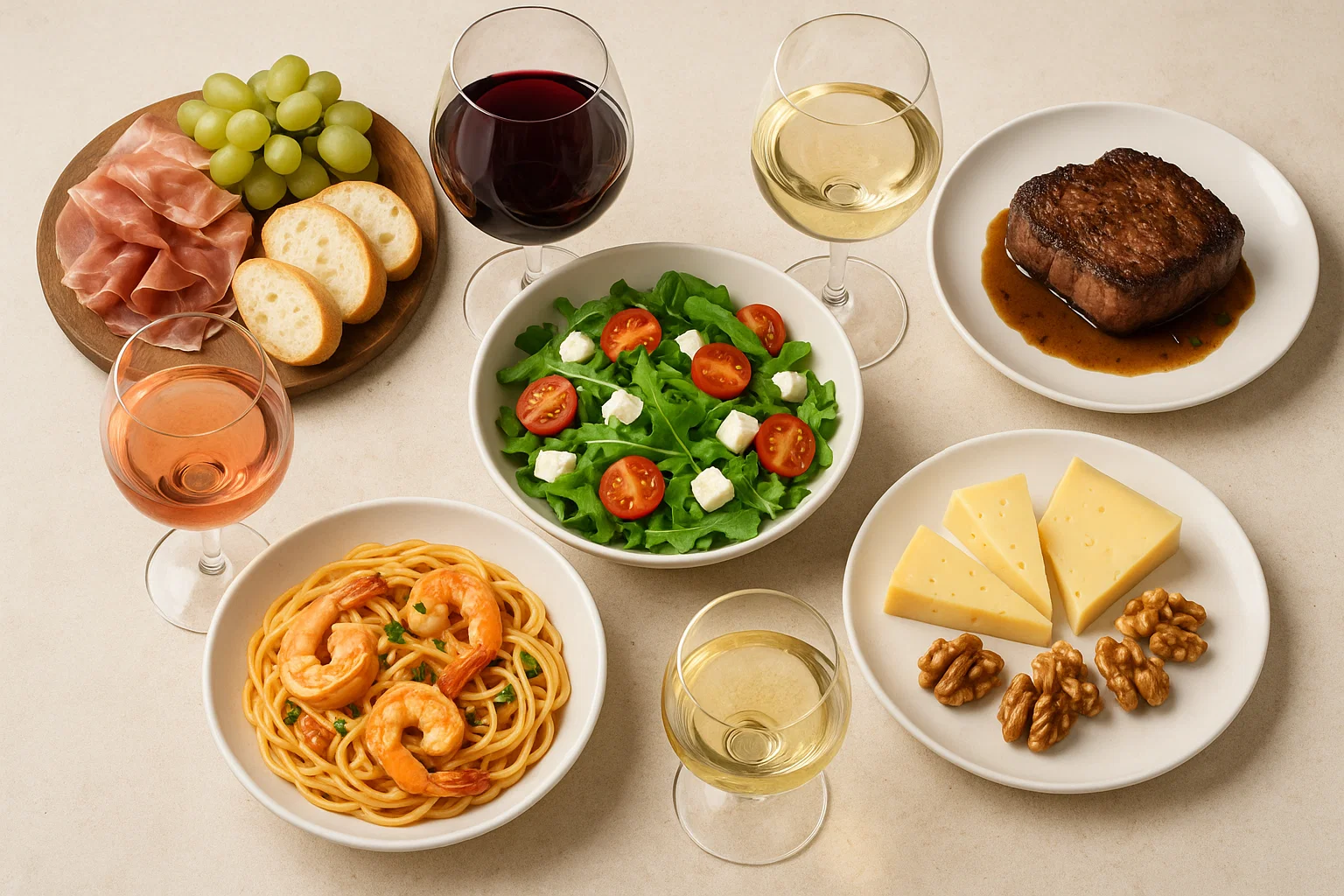

Wine pairing isn’t just about picking any bottle to match your meal. It’s the key to enhancing your dining experience. When done right, the right wine can elevate a dish, complementing its flavors and creating a perfect balance. Whether you’re enjoying a red wine with steak or a white wine with seafood, the right pairing can bring out hidden flavors and textures that make every bite memorable.
So why does wine and food pairing matter? It’s simple: the right wine can transform a meal, making it more satisfying and enjoyable. Think of it like this—wine isn’t just a drink; it’s part of the flavor experience, working with your food to enhance its richness, cut through fattiness, or even contrast spiciness. Whether it’s a bold Cabernet Sauvignon with grilled meats or a crisp Chardonnay with creamy pasta, the right pairing can elevate the entire meal.
But here’s the best part: you don’t need to be a sommelier to get it right. Understanding the basics of wine pairing helps you unlock a new dimension of flavors. It’s about finding what works, and what doesn’t, to make every meal unforgettable.
Ready to learn how to pair your favorite foods with the perfect wine? Let’s dive into the art of pairing and discover how a simple glass of wine can transform your dining experience.
Red Wine Pairings: Discover Bold & Flavorful Combinations
When it comes to wine pairing, nothing quite compares to the bold flavors of a rich red wine paired with a hearty meal. Whether you’re preparing steak, indulging in some cheese, or enjoying a plate of pasta, the right red wine can elevate your meal to a whole new level. The beauty of food and wine pairing lies in the way wine enhances the flavors of the food, while each bite draws out deeper complexities in the glass. Let’s dive into the world of red wine pairings and unlock the magic that happens when flavors come together in perfect harmony.
Top Red Wines to Elevate Your Steak and Red Meat Dishes
Pairing red wine with steak or red meat is all about complementing the rich, meaty flavors with wines that have enough body, tannins, and acidity to balance the dish’s intensity. Here are some excellent choices for making your steak or red meat meal unforgettable:
- Cabernet Sauvignon: Known for its robust tannins and dark fruit flavors, it complements the richness of steak and fatty meats.
- Malbec: A fantastic choice for grilled meats, with smoky flavors and a bold profile that stands up to the intensity of red meat.
- Syrah/Shiraz: Offers spicy, peppery notes that enhance the flavors of grilled or barbecued meats, adding complexity to every bite.
- Zinfandel: A great option for richer cuts of red meat like ribeye, thanks to its bold fruitiness and slight spiciness.
These wines create a perfect balance with your steak, allowing the tannins to cut through the fattiness while enhancing the natural flavors of the meat. As we transition to another pairing classic, let’s talk about red wine and cheese.
The Perfect Red Wine and Cheese Pairings: A Complete Guide
Pairing red wine with cheese is an art in itself. The key is finding wines that balance the richness, sharpness, or creaminess of the cheese. Below are some of the best red wine and cheese pairings to get you started:
- Cabernet Sauvignon & Brie: The bold tannins in Cabernet Sauvignon pair wonderfully with the creamy, soft texture of brie, creating a smooth, balanced experience.
- Zinfandel & Aged Cheddar: The smoky, spicy notes of Zinfandel complement the rich, sharp flavor of aged cheddar, making for an unforgettable pairing.
- Pinot Noir & Goat Cheese: The light, delicate profile of Pinot Noir contrasts beautifully with the tangy and fresh flavor of goat cheese.
- Merlot & Gouda: The smooth, round body of Merlot pairs well with the nutty, rich flavor of gouda, whether young or aged.
These combinations are not just about balancing flavors—they’re about creating harmony between the bold wine and the creamy, tangy, or sharp notes of the cheese. Ready to move on to pasta pairings?
How to Pair Red Wine with Pasta: Flavorful Combinations You’ll Love
Pasta offers endless possibilities for pairing with red wine, but it’s important to consider the sauce and the richness of the dish. Here’s a breakdown of the best red wines for your favorite pasta dishes:
- Chianti & Spaghetti with Meatballs: The bright acidity of Chianti pairs perfectly with the rich, savory flavors of tomato sauce and the tender meatballs.
- Sangiovese & Bolognese: This classic Italian wine works wonderfully with a rich, meaty bolognese sauce, complementing its tomato-based flavors and enhancing the depth of the dish.
- Merlot & Alfredo Pasta: The smooth, soft body of Merlot works well with the creamy texture of Alfredo sauce, creating a satisfying pairing that isn’t too overpowering.
- Zinfandel & Spicy Arrabbiata: For a spicy pasta like arrabbiata, Zinfandel is a great choice, with its fruity and peppery notes that complement the heat from the chili peppers.
These pairings work because the tannins and acidity in red wines balance the richness of the pasta sauces, whether creamy or spicy, making each bite a flavorful experience.
White Wine Pairings: Light & Refreshing Matches
Choosing the right white wine can transform a light dish into something truly remarkable. Unlike bold reds, which often complement rich, hearty meals, white wines shine when paired with lighter, more delicate flavors. Their crisp, refreshing profiles balance the meal’s freshness, elevating your dining experience in a way that’s subtle yet unforgettable. So, how do you choose the perfect white wine pairing? It’s simpler than you might think, and here’s how to master it.
Best White Wines to Pair with Seafood Dishes
Pairing white wine with seafood is one of the most classic combinations in the world of food and wine. Seafood is light and often briny, making it the perfect companion for a crisp, fresh white wine. Here’s a quick guide on which wines will enhance the natural flavors of seafood:
- Sauvignon Blanc: With its bright acidity and citrusy notes, this wine cuts through the richness of seafood like shrimp, oysters, and salmon, making every bite taste fresher.
- Chardonnay: A lightly oaked Chardonnay is a fantastic match for grilled fish or lobster, where its body and butteriness complement the savory flavors.
- Pinot Grigio: Its light, crisp profile makes it a great match for delicate fish dishes like sole or cod, enhancing the freshness without overpowering the taste.
- Albariño: A vibrant, aromatic wine from Spain that pairs perfectly with seafood paella or shellfish.
Pairing the right white wine with seafood elevates the experience, bringing out the delicate flavors in both the food and the wine. Now, let’s dive into pairing with chicken dishes, where the balance is just as important.
Top White Wine Choices for Chicken Dishes
Chicken is incredibly versatile, and white wines are often the best choice for bringing out its flavors. Whether you’re serving grilled chicken, a creamy chicken pasta, or a spicy stir-fry, here are the best wines to pair with your favorite chicken dishes:
- Chardonnay: This is the go-to wine for creamy chicken dishes, especially those with sauces like Alfredo or chicken pot pie. Its full-bodied structure and slight oakiness match the richness of the dish perfectly.
- Sauvignon Blanc: Ideal for herb-infused chicken or lemon chicken, the wine’s bright acidity and grassy notes cut through the richness while highlighting the fresh, herbaceous flavors.
- Pinot Noir: While a red, its light body and low tannin make it suitable for pairing with roast chicken, especially when served with earthy sides like mushrooms.
- Viognier: This aromatic wine pairs wonderfully with spiced chicken dishes, such as Moroccan chicken or chicken curry, thanks to its floral and fruity profile that enhances the dish’s complexity.
The goal with white wine and chicken pairings is to find a wine that matches the texture and intensity of the dish while enhancing the flavors. And now that we’ve tackled chicken, let’s explore the best white wines for salads and light meals.
Perfect White Wine Pairings for Salads and Light Meals
For those lighter meals like salads or fish tacos, you’ll want a white wine that isn’t too heavy but still complements the fresh ingredients. A light, crisp white wine works wonders here. Try these pairings next time you’re preparing a light meal or a vegetarian salad:
- Sauvignon Blanc: Perfect for green salads with goat cheese or citrus-based dressings, the crisp acidity and herbaceous qualities of this wine bring out the freshness of the vegetables.
- Pinot Grigio: A fantastic match for Mediterranean salads, grilled vegetables, or shrimp salad, thanks to its crispness and minerality.
- Muscadet: For a simple seafood salad, Muscadet from the Loire Valley is a superb match with its light body and sharp acidity that cuts through the oiliness of the fish.
- Chablis: This unoaked Chardonnay pairs excellently with light chicken salads or seafood appetizers, offering a clean, mineral edge that enhances the dish’s lightness.
The secret to pairing white wine with light meals is to balance the wine’s refreshing profile with the crispness or freshness of the food. Whether it’s a salad or a delicate fish dish, a crisp white wine can elevate the experience, making it feel even lighter and more enjoyable.
Pairing Wine with Cheese: A Classic Combination
When it comes to the timeless food and wine pairing experience, few combinations are as iconic as wine and cheese. The right pairing not only complements the texture and flavors of each but also enhances them, creating an unforgettable tasting experience. In this section, we’ll walk you through the best ways to pair wine with cheese, from soft cheeses to more robust blue varieties. By the end, you’ll have a solid understanding of how to bring your cheese platters to life with the perfect wine pairings.
The Best Wines for Soft Cheeses
Soft cheeses, with their creamy and mild flavor, are the perfect canvas for wine. But which wines should you choose to highlight the smooth, delicate textures of these cheeses?
- Chardonnay: A light, unoaked Chardonnay works wonders with soft cheeses like Brie and Camembert, as its subtle acidity cuts through the richness, creating a clean finish on the palate.
- Sauvignon Blanc: The crisp acidity of Sauvignon Blanc makes it an excellent match for the delicate, buttery flavors of goat cheese. The citrus notes in the wine enhance the fresh, tangy profile of the cheese.
- Pinot Noir: While typically a red, the light body and low tannins of Pinot Noir make it a surprisingly good match for softer cheeses like brie or creamy Havarti, providing just enough contrast without overwhelming the delicate flavors.
These pairings offer a great balance of freshness and richness, enhancing both the cheese and the wine. Now that we’ve covered soft cheeses, let’s explore the world of hard cheeses and what wines work best with them.
Hard Cheese and Wine Pairings You Need to Know
Hard cheeses, with their dense textures and bold flavors, demand wines that can stand up to their intensity. Here’s a guide to some of the best wine pairings for hard cheeses:
- Cabernet Sauvignon: This wine’s bold tannins and deep berry flavors make it a perfect pairing for aged cheddar, Parmesan, or Pecorino. The wine’s robust body matches the richness of these cheeses, balancing the flavors.
- Zinfandel: With its spicy, fruity notes, Zinfandel pairs wonderfully with Gouda or Gruyère, as the wine’s warmth and complexity complement the nutty, caramelized flavors in the cheese.
- Merlot: A smooth Merlot works well with harder cheeses like manchego or comté, where the wine’s subtle fruitiness and low tannins don’t overpower the flavors of the cheese, but instead enhance its savory qualities.
These combinations work by offering a harmony of flavors and textures, where the wine’s tannins or fruit notes balance out the richness and sharpness of the hard cheese. With these pairings in mind, let’s move on to pairing wine with one of the most unique and challenging cheeses—blue cheese.
Wine Pairings for Blue Cheese
Blue cheese, with its intense flavors and creamy texture, can be a difficult cheese to pair with wine. But the right wine can balance its strong, tangy notes and bring out its creamy, earthy flavors.
- Port: The rich, sweet profile of Port is a classic pairing for blue cheese, such as Roquefort or Stilton. The sweetness of the wine contrasts beautifully with the saltiness and sharpness of the cheese, creating a perfect balance.
- Sauternes: This dessert wine is another excellent choice for blue cheese, as its honeyed sweetness works well with the pungency of Gorgonzola or blue Stilton, adding complexity and depth to each bite.
- Shiraz: If you prefer a dry wine, Shiraz offers bold spice and dark fruit notes that complement the strong flavor of blue cheese without being overwhelmed by it.
The key with blue cheese and wine pairings is to find wines that balance the strong flavors of the cheese without overpowering it. Whether you opt for a rich Port or a spicy Shiraz, the right pairing will highlight the complex notes of both the wine and the cheese. By exploring the world of wine and cheese pairings, from soft cheeses to blue cheeses, you’ve learned how to create a harmonious balance between flavors and textures. Each section provided key wine pairing tips to help you make the most of these timeless combinations. Whether you’re hosting a dinner party or simply enjoying a quiet evening, these wine and cheese pairings will elevate your meal, creating an experience that’s both refined and delicious.
Wine Pairings for Life’s Most Memorable Moments
A glass of wine is rarely just a drink. It carries the weight of the occasion, turning fleeting minutes into memories worth retelling. Choosing the right wine pairing for special moments not only enhances flavors on the table but also deepens the emotion behind the gathering. From festive holidays and elegant weddings to intimate dinners for two, the right bottle elevates the mood, brings people closer, and creates a shared story that lingers long after the last sip. As we move through these occasions, you will discover how thoughtful pairings can transform simple moments into extraordinary experiences.
Holiday Wine Pairings: Raise a Glass to Joy and Togetherness
The holiday season brings together friends, family, and food in abundance. Yet, many hosts struggle with one crucial detail—choosing wines that complement both the celebratory atmosphere and the varied dishes on the table. Selecting the wrong wine can dull flavors, clash with rich meals, and fall flat when the goal is to spark cheer. That is why holiday wine pairings should focus on versatility. Sparkling wines like Champagne or Prosecco instantly set a festive tone, while Pinot Noir or Merlot create harmony with roasted meats and winter spices. For those who prefer lighter notes, Riesling balances sweetness and acidity beautifully against holiday desserts. The right bottle ensures your table feels united, every toast resonates, and the memory of joy lasts long after the season ends. And as we step into milestone celebrations, wine takes on an even more symbolic role—becoming part of the story couples will cherish forever.
Wedding Wine Pairings: Toasts That Create Lasting Memories
A wedding toast is more than tradition—it is a moment where every eye sparkles with hope for the future. But here lies the challenge: not every wine impresses hundreds of guests with different tastes. Offering something too simple risks underwhelming, while overcomplicating the selection can confuse and disappoint.
The answer is balance. Wedding wine pairings should embody elegance while pleasing a diverse crowd. Champagne remains the classic for toasts, its effervescence capturing the energy of new beginnings. For the dinner tables, Sauvignon Blanc refreshes the palate alongside seafood starters, while Cabernet Sauvignon delivers depth for red meat courses. A well-chosen rosé provides a versatile middle ground that never goes unnoticed. These wines don’t just accompany the menu—they symbolize unity, refinement, and the memories that will be revisited every anniversary.
From vows and speeches to candlelit dinners for two, wine continues to serve as the quiet architect of connection.
Romantic Dinner Wine Pairings: Wines That Spark Intimacy and Connection
A romantic dinner is not only about the food; it is about crafting an atmosphere where conversation flows and closeness grows. Yet, many couples make the mistake of serving wines that overpower the meal or feel too heavy for the setting, breaking the delicate rhythm of the evening. The best romantic wine pairings strike a balance between subtlety and allure. Pinot Noir, with its soft, silky texture, enhances dishes like grilled salmon or mushroom risotto without stealing the spotlight. Chardonnay offers buttery warmth that pairs beautifully with creamy pasta, while sparkling rosé adds both playfulness and charm, perfect for starting the evening with energy. A bottle of dessert wine like Moscato rounds off the night with sweetness that lingers just like the memory of the evening itself.
Wine here is more than a pairing—it becomes part of the romance, sealing the evening with intimacy that words alone cannot express.
Wine Pairing for Special Diets and Personal Tastes
Finding the perfect wine pairing can be challenging when personal tastes and dietary preferences come into play. Whether you’re sticking to a vegan diet, managing gluten sensitivity, or seeking wines that enhance the flavors of spicy dishes, the right wine can make or break the meal. With more people embracing diverse dietary choices, it’s important to understand how wine can complement these preferences without compromising the dining experience.
When selecting wines for special diets, consider not just the flavor profiles of the wine but how they interact with key ingredients in each meal. Vegan wines offer a perfect match for plant-based dishes, while gluten-free wine pairings help enhance flavors without any risk for sensitivities. The right wine can elevate your meal, turning a simple dining experience into a culinary celebration.
Let’s dive deeper into how these wine pairings work for specific dietary needs.
Vegetarian and Vegan Wine Pairings That Truly Complement the Plate
Pairing wine with vegetarian and vegan dishes can be a delicate art, especially when considering the specific ingredients in plant-based meals. The goal is to enhance the flavors of the dishes without overpowering them. Many wines that are labeled as “vegan” do not contain animal-derived fining agents, ensuring they match perfectly with plant-based meals.
Here are some wine pairings that work beautifully with vegetarian and vegan dishes:
- Pinot Noir: Perfect for roasted vegetables or vegetarian pasta, offering smooth tannins and light fruit flavors.
- Chardonnay: A great match for vegan sushi or grilled veggies, with its clean acidity and subtle oak.
- Zinfandel: Pairs well with vegan BBQ or roasted mushrooms, bringing out the smoky, savory flavors.
- Sauvignon Blanc: Excellent with vegan salads and vegetable stir-fry, balancing acidity and freshness.
These pairings ensure that the wine elevates the plant-based ingredients, enhancing the natural flavors and offering a delightful experience for every course.
Wine Pairing for Spicy Food: Bold Choices That Balance the Heat
Spicy food can be tricky, but the right wine can balance the heat and complement the bold flavors. The secret lies in selecting wines that have enough sweetness, acidity, or effervescence to harmonize with the spice without competing with it.
Here are some ideal wine choices to pair with spicy dishes:
- Riesling: Its natural sweetness pairs perfectly with spicy curries and Thai food, creating a beautiful contrast.
- Gewürztraminer: Great for spicy barbecue or Mexican food, with its spicy aromatic profile that matches the food.
- Zinfandel: Works well with barbecue meats or spicy chili, balancing rich flavors and smoky heat.
- Sparkling Rosé: The effervescence cuts through the spice and refreshes the palate between bites of spicy seafood or curry.
With these choices, you’ll find that the wine softens the heat, bringing out the flavors of the spices rather than overwhelming them.
Gluten-Free Wine Pairings to Enjoy with Confidence
When dining with gluten sensitivity, the last thing you want to worry about is whether your wine pairing will enhance the meal. Luckily, most wines are naturally gluten-free, so the key is finding the right wine to complement your gluten-free meals without compromising taste.
Here’s a selection of wines that work beautifully with gluten-free dishes:
- Chardonnay: Excellent with grilled fish or gluten-free pasta, offering crisp acidity and smooth textures.
- Pinot Noir: Pairs wonderfully with roasted chicken or gluten-free pizza, bringing depth without overpowering the flavors.
- Sauvignon Blanc: A versatile choice for salads or light appetizers, balancing freshness with a citrusy finish.
- Sparkling Wine: Perfect for cheese platters or light seafood dishes, with effervescence to cleanse the palate and add vibrancy to each bite.
These wines provide great flexibility, ensuring a worry-free dining experience with every meal while allowing you to enjoy the flavors of your favorite gluten-free dishes.
Regional Wine Pairings: Discover Local Delights
Wine isn’t just a drink; it’s an experience, one deeply rooted in the region where it’s crafted. Each wine region brings its own unique blend of flavors, traditions, and climate influences. Exploring regional wine pairings allows you to taste the best of what nature and tradition have to offer. Whether it’s pairing local reds with hearty dishes or white wines with lighter fare, the right pairing brings out the best in both the food and the wine.
But here’s the real kicker: local wines can elevate any meal. From bold red wines that complement rich meats to crisp whites that brighten seafood, pairing wine regionally enhances the flavors you’re already familiar with. By choosing regional wine pairings, you’re not just enjoying a drink—you’re connecting to the culture and the land from which the wine originates.
Top Wine Pairings from Bordeaux, Napa & Tuscany
Bordeaux, Napa, and Tuscany are among the most celebrated wine regions in the world, each offering distinctive wines that embody the essence of their landscapes. Here’s why these regions are synonymous with exceptional wine pairings:
- Bordeaux: Known for its Cabernet Sauvignon and Merlot, this region’s full-bodied reds are perfect with rich, grilled meats like steaks or lamb. The tannins cut through the fat, while the deep flavors complement hearty dishes.
- Napa Valley: This region’s bold reds, particularly Cabernet Sauvignon, are a fantastic match for barbecue or roasted meats. Napa wines also shine alongside aged cheeses, offering a pairing that elevates both.
- Tuscany: Famous for Chianti and Sangiovese, Tuscan wines are ideal with Italian pasta dishes, particularly those with tomato-based sauces. Their acidity balances the richness of the sauce, creating harmony in every bite.
These wines aren’t just about the taste—they are about experiencing the history and essence of their regions with every sip.
Best Local Wine Pairings for Your Region
Every region offers something unique, and exploring local wine pairings can turn a simple meal into an unforgettable experience. Local wines are often crafted to suit the flavors of the local cuisine, making them the perfect match for what’s on your plate. Whether you’re enjoying a fresh salad or a grilled steak, there’s a local wine that will elevate the meal.
In your region, you might find wines that bring out the bold flavors of regional specialties. For example, a light white wine could perfectly complement your local seafood, while a medium-bodied red enhances the flavors of a roast dinner. By choosing wines grown in the same region, you create a harmonious experience that not only tastes great but also connects you to the land.
The best local wine pairings allow you to taste your area like never before—celebrating the unique qualities that make the region’s cuisine and wines so special.
Wine Pairing for Beginners: Simple Tips to Get You Started
For beginners, wine pairing can seem like a daunting task—too many choices, too many rules. But the truth is, pairing wine with food doesn’t have to be complicated. The right wine can transform a meal, making it feel more special and elevating your entire dining experience.
The key to successful wine pairing is understanding the basic principles. Light wines like Pinot Noir or Chardonnay work best with lighter foods like salads or chicken, while full-bodied reds like Cabernet Sauvignon pair perfectly with heavier dishes like steak or pasta. Start simple, and don’t be afraid to experiment. By trusting your taste buds, you’ll find uniquely enjoyable combinations.
Ready to feel confident about wine pairing? Once you master these basic tips, your next dinner party will feel like a celebration of flavors and fun.
How to Choose the Right Wine for Your Meal
Choosing the right wine to complement your meal doesn’t need to be a guessing game. In fact, wine pairing is about matching the weight and flavor profiles of the food with the wine, ensuring that both elements work together to enhance the overall experience.
For instance, when serving grilled meats, a full-bodied wine like Zinfandel or Malbec provides a robust match. For light seafood or chicken dishes, Sauvignon Blanc or Pinot Grigio works wonderfully, bringing out the freshness of the dish without overwhelming it. And, of course, pairing sweet wines with desserts creates a balance that satisfies your sweet tooth and enhances the overall flavors.
Think of wine as a supporting character to your meal—it should complement and elevate what’s already on the plate, never compete with it.
Easy Wine Pairing Hacks for Home Cooks
As a home cook, you don’t need to be a sommelier to create the perfect wine pairing. There are a few easy hacks that can take your home-cooked meals to the next level, without breaking the bank or stressing over the details.
- Match the weight of the food and wine: Lighter dishes need lighter wines, while heartier meals deserve bolder options.
- Consider the sauce, not just the protein: Tomato-based sauces pair best with reds like Chianti or Merlot, while creamy sauces are a natural match for Chardonnay or Pinot Noir.
- Use wine as a base for marinades: Try adding a splash of red wine to your marinade for steaks—it’ll add depth and flavor.
By following these simple tips, you’ll be able to confidently pair wines with whatever dish you’re preparing, turning even the simplest meals into an impressive wine and dine experience.
Elevating Your Dining Experience with Wine Pairing
Wine pairing isn’t just about rules—it’s a way to elevate your meal and create memorable dining experiences. Whether you’re cooking at home or hosting, experimenting with wine pairing can bring a new dimension to your food. You don’t need to be an expert; start by pairing wines with the dishes you already love. For example, light whites like Sauvignon Blanc pair well with seafood and salads, while full-bodied reds like Cabernet Sauvignon work wonderfully with grilled meats and pasta.
As you experiment, remember: balance is key. Lighter wines should complement lighter dishes, and bolder wines should match richer meals. Trust your taste buds—if you enjoy the pairing, it’s the right one. The more you experiment, the more confident you’ll become in choosing wines that enhance your meal.
With these simple tips, you can easily experiment with wine pairings at home, making any meal feel extraordinary.
FAQs
What wines pair best with chocolate?
Can you pair red wine with fish?
How do you pair wine with spicy food?