















Sustainability has evolved from a buzzword to a critical business strategy. In today’s fast-paced market, businesses can no longer ignore their environmental impact without risking their future success. With more consumers demanding eco-friendly practices and companies facing mounting pressure to reduce their carbon footprint, embracing business sustainability is not just ethical — it’s essential.
Why does sustainability matter to businesses? It’s simple: adopting sustainable business practices boosts your brand image, fosters customer loyalty, and drives profitability. Consumers are actively choosing brands that align with their values, and sustainable business models are proven to lead to cost savings, improved efficiency, and long-term financial health.
Adapting to sustainability isn’t just a trend — it’s a necessity that can transform your business for the better. The businesses that act now will be the ones leading in the future. Business adaptation to sustainability will help companies stay competitive in a world that demands change. Keep reading to discover how you can adapt and thrive in this new sustainable era.
The Shift Towards Sustainable Business Practices
Businesses worldwide are realizing that sustainability is not just a trend; it’s a vital strategy for long-term success. As consumer awareness grows, companies are under increasing pressure to adopt eco-friendly practices and reduce their environmental impact. The shift towards sustainability is being driven by multiple factors, including changing regulations, evolving consumer preferences, and the need for businesses to mitigate the risks of climate change. Those who fail to adapt risk falling behind, while those adapting to sustainability are setting themselves up to thrive in the future.
Drivers of Business Sustainability Adoption
Regulations, consumer demand, and climate change are the main forces pushing businesses toward sustainability. Governments are enacting stricter environmental laws to limit carbon emissions, waste, and other harmful practices, creating a strong incentive for companies to go green. Simultaneously, consumers are increasingly choosing brands that demonstrate a commitment to sustainable practices. Eco-conscious shoppers are more likely to support businesses that align with their values, making sustainability not just a moral obligation but also a wise business decision. For businesses, sustainability is no longer optional; it’s a competitive advantage.
How Climate Change, Laws, and Demand Drive Sustainability
Climate change is an undeniable challenge that businesses can no longer ignore. Rising temperatures, extreme weather events, and resource scarcity are compelling companies to reduce their environmental impact. Alongside these global shifts, laws and regulations are becoming stricter, demanding that businesses adopt sustainable practices or face penalties. Finally, consumer demand for eco-friendly products continues to rise. Today’s consumers want to purchase from brands that prioritize the planet, making it clear that businesses must act on sustainability to maintain relevance and trust.
As climate change accelerates, the pressure for businesses to adopt sustainable practices intensifies. Those who embrace the change will lead the way in creating a more sustainable future, benefiting both the planet and their bottom line.
Top Sustainability Strategies for Businesses
Sustainability is now the driving force behind many successful businesses. The shift toward eco-friendly operations and renewable energy is more than just a trend — it’s a necessity for businesses aiming to stay relevant, reduce costs, and build long-term brand value. Adopting sustainable business practices not only helps protect the environment but also enhances efficiency, improves customer loyalty, and meets regulatory requirements. If you’re looking to lead your industry, the path to success lies in integrating sustainable strategies that align with your business goals and brand values.
Implementing Renewable Energy Solutions
Renewable energy solutions are no longer just a luxury for businesses; they’re essential for future-proofing your operations. Whether it’s installing solar panels, adopting wind energy, or transitioning to green electricity, companies are finding that these investments not only reduce their carbon footprint but also lower energy costs in the long run. The benefits of renewable energy go beyond environmental impact — businesses that switch to clean energy can enjoy cost savings and improved public image. This is your chance to not only do your part for the planet but also boost your profitability. Ready to invest in the future? The move towards renewable energy can position your business as a leader in sustainability, attracting both customers and investors looking for companies committed to green solutions.
Eco-friendly Manufacturing and Operations
The way your business operates can have a significant impact on the environment. By adopting eco-friendly manufacturing practices, you can significantly reduce your carbon footprint and optimize resource use. Energy-efficient production methods, waste reduction, and water conservation are just a few strategies businesses are employing to make their operations more sustainable. These practices not only reduce costs but also enhance your brand image, making you more attractive to customers who care about the environment. Businesses that adopt sustainable manufacturing and green operational strategies are better positioned to thrive in a world that’s increasingly focused on sustainability. It’s not just about what you make, it’s about how you make it.
Sustainable Product Design and Packaging
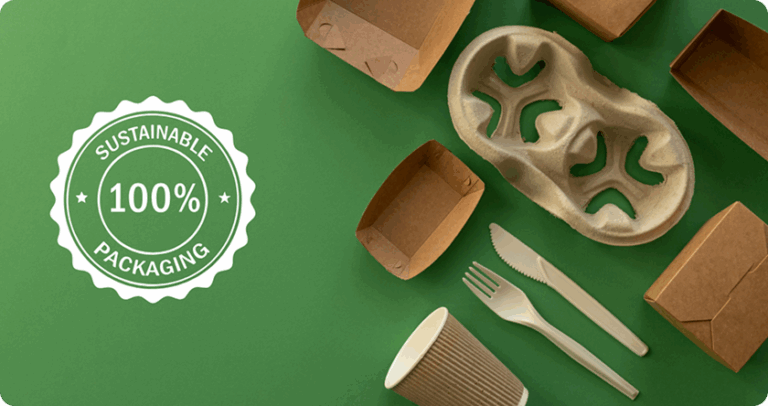
When it comes to sustainability, the design and packaging of your products are just as important as the way they’re produced. By focusing on sustainable product design, you can reduce waste and enhance product longevity. Consider using recycled materials, creating durable designs, and offering refillable options that reduce the need for disposable packaging. Not only will this help minimize environmental impact, but it also appeals to consumers who are increasingly mindful of the waste products they consume. Eco-friendly packaging is an easy yet powerful way to show customers that you care about the planet. As consumer demand for green products grows, integrating sustainable design into your offerings will help you stand out in a crowded market and align your brand with environmentally conscious values.
These strategies are the backbone of a sustainable business model, and integrating them can set your company apart in a world where eco-consciousness is becoming the norm. The transition to a greener business doesn’t have to be overwhelming — it’s about taking the first steps towards sustainability, with clear strategies that benefit both the planet and your bottom line. Ready to get started? The journey towards a sustainable future begins now, and it’s more rewarding than ever.
The Role of Corporate Social Responsibility in Driving Sustainability
Corporate Social Responsibility (CSR) plays a critical role in driving sustainability by aligning a company’s operations with the broader goal of benefiting society and the environment. Businesses today are no longer solely focused on profits; they’re also increasingly taking responsibility for their impact on the planet and people. CSR initiatives not only enhance a company’s brand image but also demonstrate a commitment to sustainable practices that go beyond legal obligations. This alignment with sustainability is key to adapting to sustainability, creating long-term value for both businesses and communities.
Defining CSR and Its Impact on Sustainability
CSR refers to a company’s self-regulation of its environmental, social, and economic impact, ensuring that it operates in a way that is ethical, sustainable, and beneficial to all stakeholders. When businesses implement CSR initiatives, they’re often focused on environmental preservation, community engagement, ethical sourcing, and reducing carbon footprints.
For example, Patagonia, the outdoor apparel company, has long been a leader in sustainable business practices through its CSR efforts. They donate 1% of sales to environmental causes, use sustainable materials in their products, and focus on fair labor practices. This dedication to environmental and social responsibility has not only enhanced their reputation but also created a loyal customer base that shares their eco-friendly values. More details can be found on their official website: Patagonia CSR Initiatives.
Another example is Ben & Jerry’s, which integrates social justice and environmental sustainability into their CSR strategy. They have committed to using Fairtrade-certified ingredients and advocate for climate change policies, demonstrating that companies can combine business growth with social responsibility. You can learn more about their approach here: Ben & Jerry’s Social Responsibility.
Through these examples, it’s clear that CSR initiatives, when aligned with sustainability, help companies reduce environmental harm, enhance brand loyalty, and positively impact society. The integration of CSR into a company’s sustainability strategy is no longer optional — it’s a critical component for long-term success and growth in today’s eco-conscious marketplace.
Future-Proofing Your Business with Sustainable Models
As we move toward a more eco-conscious future, sustainable business models are no longer a trend—they are the backbone of future-proof businesses. Integrating sustainability into your company’s strategy is not just about doing what’s right for the planet; it’s about ensuring long-term profitability and market leadership. Businesses that embrace green practices are setting themselves up to thrive in an evolving marketplace where consumer expectations, regulations, and environmental pressures are only increasing.
The key to future-proofing your business is adopting sustainable models that are built to last. Whether it’s transitioning to a circular economy, optimizing your supply chain, or creating a culture of sustainability within your team, these strategies will help you stay ahead of the competition and build a brand that customers trust and value.
Circular Economy Models and Their Business Potential
A circular economy is more than just a buzzword; it’s a powerful business strategy that offers endless potential. Instead of the traditional “take, make, dispose” model, a circular economy focuses on reusing, recycling, and regenerating materials to keep products in use for as long as possible. This reduces waste, conserves resources, and opens up new revenue streams.
For example, IKEA has embraced this model by offering customers the opportunity to return old furniture for recycling and reuse. This not only helps reduce environmental impact but also fosters brand loyalty, as consumers increasingly seek out companies that prioritize sustainability. Circular economy models are a win-win for both the environment and your business, and companies that adopt them will find new growth opportunities in the long run.
How to Create a Sustainable Supply Chain
Creating a sustainable supply chain isn’t just a trend; it’s a critical step toward building a resilient business. By sourcing ethically produced materials, reducing carbon emissions, and ensuring transparency at every stage, businesses can reduce their environmental impact while maintaining efficiency and cost-effectiveness. This also helps mitigate supply chain risks, which have become increasingly evident in recent years.
For example, Unilever has successfully created a sustainable supply chain by sourcing renewable ingredients for its products and partnering with local farmers to promote sustainable agriculture. Businesses that integrate sustainability into their supply chain will be better equipped to navigate global challenges, ensure regulatory compliance, and build a reputation as a responsible brand that customers want to support.
Incorporating Sustainability into Company Culture
True sustainability goes beyond business operations—it’s about creating a culture where every employee is committed to sustainable practices. When sustainability becomes part of the core values of your organization, it leads to greater innovation, employee satisfaction, and a sense of shared purpose that drives long-term success. By educating employees, encouraging sustainable behaviors, and aligning business goals with environmental responsibility, companies can foster a culture of sustainability that resonates with both customers and staff.
Patagonia stands as an example here, where sustainability is deeply embedded in the company culture. Employees are encouraged to take part in environmental initiatives, and the company’s mission revolves around reducing its environmental footprint. A strong, sustainable company culture attracts top talent, boosts morale, and sends a powerful message to customers that your business is genuinely committed to making a difference.
Incorporating these sustainable models into your business will not only future-proof your company but also position you as a leader in a rapidly changing marketplace. By adopting circular economy practices, creating a sustainable supply chain, and building a culture of sustainability, your business will be well-equipped to meet the challenges of tomorrow while reaping the rewards of today.
Overcoming Challenges in Sustainability Adoption
Adopting sustainability within business operations is not without its challenges. From high upfront costs to resistance within organizational cultures, businesses often face roadblocks when trying to implement green practices. However, the rewards — long-term cost savings, improved brand image, and increased customer loyalty — far outweigh the obstacles. The key is recognizing these challenges early on and developing effective strategies to overcome them. Below is a breakdown of common challenges businesses face in sustainability adoption and how to tackle them effectively.
| Challenge | Solution |
| High upfront costs | Focus on long-term savings, such as energy efficiency or waste reduction, which will offset initial investments over time. |
| Resistance to change | Involve leadership and engage employees in sustainability initiatives to foster a culture of sustainable change. |
| Lack of expertise | Partner with sustainability consultants or provide training to internal teams to enhance knowledge and capabilities. |
| Supply change complexity | Start with small, manageable changes and gradually work towards full integration of sustainable practices in the supply chain. |
| Measuring impact | Implement tools and KPIs to track sustainability progress and demonstrate ROI to stakeholders. |
| Regulatory uncertainty | Stay updated on local and global regulations, and work with legal experts to ensure compliance. |
The Role of Technology in Advancing Sustainability
Technology is no longer just a tool for business growth; it is a powerful ally in the fight for a more sustainable future. As companies face increasing pressure to reduce their carbon footprints, optimize resources, and enhance operational efficiency, technology provides innovative solutions to drive sustainability across industries. From AI-driven insights to big data analytics, businesses now have the tools to make informed decisions that benefit both their bottom line and the planet. The role of technology in advancing sustainability is transforming how we operate, making it possible to achieve environmental goals while remaining competitive in the market.
Leveraging AI and Big Data for Sustainability Insights
Artificial Intelligence (AI) and big data are playing an increasingly vital role in driving sustainability efforts across industries. With the ability to process vast amounts of data, AI and big data provide companies with actionable insights that help improve energy consumption, optimize supply chains, and reduce waste. By analyzing trends and identifying patterns, businesses can make smarter, more data-driven decisions that align with sustainability goals.
- Predictive analytics using AI to forecast energy demand and optimize power usage across operations.
- Big data helps in monitoring and reducing carbon emissions by tracking energy use in real-time.
- AI-powered automation in logistics streamlines supply chains and reduces resource consumption.
- Data-driven insights help companies identify areas for waste reduction and operational efficiency.
Technology is not just a tool—it’s a game-changer for businesses looking to innovate and drive progress sustainably. By leveraging AI and big data, companies are now able to make smarter decisions that not only improve profitability but also help achieve environmental targets. As these technologies continue to evolve, the potential for their use in sustainability will only grow, offering more opportunities to make a positive impact on the world.
Innovative Tech Solutions for Reducing Carbon Footprints
Technology is reshaping the way businesses approach carbon reduction, with innovative solutions making it easier to track, manage, and minimize environmental impact. From renewable energy integration to energy-efficient systems, companies can now access technologies that not only reduce carbon emissions but also enhance operational efficiency. These tech solutions offer practical ways for businesses to meet sustainability targets without compromising on productivity or growth.
- Smart grids and IoT devices that optimize energy use and allow real-time monitoring of consumption.
- Blockchain technology ensures transparent supply chains, reducing waste and optimizing resource management.
- Renewable energy technologies like solar and wind power are becoming more accessible and affordable with advancements in clean tech.
- Energy-efficient buildings use innovative technology for temperature control, lighting, and other systems to minimize energy consumption.
By adopting these innovative tech solutions, companies can dramatically reduce their carbon footprint and take meaningful steps toward sustainable growth. The integration of clean technology into everyday operations will not only support global environmental goals but also give businesses the competitive edge they need to thrive in an increasingly eco-conscious world. As we move forward, the ability to leverage technology for sustainability will become one of the key differentiators between market leaders and laggards.
Tracking and Communicating Your Sustainability Impact
Tracking and effectively communicating sustainability impact is essential for businesses aiming to not only improve their environmental footprint but also showcase their commitment to green practices. As consumers become increasingly eco-conscious, being transparent about sustainability efforts is a key driver of brand loyalty and trust. Companies that track and report their sustainability progress clearly are seen as leaders in the movement toward a greener future. This visibility can set you apart in a competitive market, helping you attract eco-conscious consumers, investors, and partners. Let’s dive into the tools and methods that make sustainability tracking and communication easier, more effective, and beneficial for your brand.
How Businesses Can Track Sustainability Efforts
Tracking sustainability efforts is essential for businesses to understand the impact of their actions, identify areas for improvement, and align their strategies with sustainability goals. With the right tools and systems in place, companies can measure everything from energy consumption to carbon emissions, helping them stay accountable and achieve measurable outcomes. This data can also be used to communicate sustainability efforts to customers, stakeholders, and regulators, building trust and transparency.
- Use energy management software to track energy usage and identify areas for efficiency improvements.
- Implement carbon footprint calculators to measure the total emissions produced by your business.
- Leverage IoT sensors to monitor resource use (such as water, energy, and raw materials) in real-time.
- Set measurable KPIs to track waste reduction, recycling efforts, and other sustainability metrics.
Tracking sustainability efforts allows businesses to not only stay compliant with regulations but also drive their own eco-initiatives and continue to evolve towards a more sustainable future.
Sustainability Certifications and Green Credentials
Obtaining sustainability certifications and green credentials is a powerful way for businesses to showcase their commitment to sustainable practices. These certifications not only help build credibility but also provide customers with tangible proof of your eco-friendly efforts. Having these certifications can set you apart from competitors and position your business as a responsible and trustworthy brand.
- LEED Certification is awarded to buildings that meet high energy and environmental standards.
- Fairtrade certification for businesses sourcing ethically produced goods.
- ISO 14001 is a standard for businesses that have an environmental management system in place.
- B Corporation certification is awarded to businesses that meet the highest standards of social and environmental performance.
- Carbon Trust Standard for organizations committed to reducing their carbon emissions.
These green credentials validate your sustainability claims, helping you win over eco-conscious consumers while also making your business more attractive to investors who prioritize environmental, social, and governance (ESG) standards.
Real-World Examples of Businesses Driving Sustainability Forward
Incorporating sustainable practices is no longer optional for businesses that wish to thrive in today’s market. Here are a few examples of companies that have successfully integrated sustainability into their operations and the valuable lessons they’ve learned along the way.
Businesses today are realizing that sustainability is no longer just a buzzword; it is integral to their long-term success. Leading companies across various industries have embraced sustainable practices and demonstrated that it’s possible to achieve both profitability and environmental responsibility. Here are a few examples of companies that have successfully integrated sustainability into their operations and the lessons they’ve learned along the way.
Patagonia, a global leader in outdoor apparel, has long been at the forefront of corporate social responsibility (CSR). Known for its commitment to environmental conservation, Patagonia operates on the principle of sustainability by using eco-friendly materials and promoting fair labor practices. One of the company’s most notable initiatives is the 1% for the Planet campaign, where it donates 1% of its sales to environmental causes. This commitment has allowed Patagonia to foster brand loyalty among environmentally-conscious consumers, proving that sustainability and profitability can coexist. The lesson here? When sustainability becomes part of your company’s core values, customers are more likely to engage with and trust your brand. To learn more, visit Patagonia’s Environmental Commitment.
Another company that has made strides in sustainability is IKEA. The furniture giant has embraced the concept of the circular economy by integrating recycling and reusing into its business model. IKEA has made significant investments in renewable energy and has launched initiatives like buy-back schemes for old furniture to reduce waste. The company has committed to becoming climate-positive by 2030, aligning its business growth with environmental responsibility. The key takeaway from IKEA’s strategy is that sustainability is not just about reducing your carbon footprint—it’s also about creating innovative business models that contribute to the circular economy. IKEA shows that sustainable practices can open up new opportunities and bring long-term business benefits. Learn more about their efforts at IKEA Sustainability.
Tesla, the trailblazer in the electric vehicle (EV) industry, has revolutionized the way we think about sustainable transportation. Through its cutting-edge technology and a commitment to reducing carbon emissions, Tesla has reshaped the automotive sector by making electric vehicles more accessible and appealing to the mainstream market. But Tesla’s commitment to sustainability doesn’t stop with EVs; the company also focuses on solar energy solutions and battery storage, which work together to create a greener energy ecosystem. The lesson here? Innovation is key to advancing sustainability—by introducing new clean technologies, companies can disrupt traditional industries and lead the way toward a greener future. To explore Tesla’s innovations further, visit Tesla Sustainability.
Unilever, a giant in the consumer goods sector, has made impressive strides toward a sustainable future by integrating sustainability into every part of its supply chain. Unilever has committed to using sustainable sourcing for raw materials, focusing on reducing plastic waste, and supporting fair trade practices. Their Sustainable Living Plan focuses on improving energy efficiency, conserving water, and reducing waste across their operations. What sets Unilever apart is its ability to collaborate with suppliers and integrate sustainability into its entire value chain, showing that even large-scale operations can make a significant environmental impact. The key lesson here is that supply chain collaboration is essential for achieving sustainable goals at scale. Discover more about their efforts at Unilever Sustainability.
These case studies highlight how companies across different industries have effectively embraced sustainability, from green innovations to circular economy models. The takeaway is clear: sustainability is not just an ethical obligation; it’s a smart business strategy that can drive long-term success. Whether it’s Patagonia’s CSR-driven values, IKEA’s circular economy approach, Tesla’s clean technology innovation, or Unilever’s sustainable supply chain, these companies show that sustainability leads to growth, profitability, and a positive brand reputation. As we move forward, the businesses that lead in sustainability will be the ones that thrive in the future.
Final Thoughts
As businesses look toward the future, sustainability has become a critical component of long-term success. Companies like Patagonia, IKEA, Tesla, and Unilever show that aligning business practices with green solutions not only enhances brand loyalty but also boosts profitability. By adopting eco-friendly practices, businesses are not only reducing their environmental impact but are also ensuring they remain competitive in an increasingly eco-conscious market. These examples prove that sustainability is more than just a trend — it’s a strategic advantage. Future-proofing your business through sustainable models and effective CSR initiatives will help businesses thrive in the evolving marketplace, creating a path to success that benefits both the planet and the bottom line.