














Sports fans have always been passionate about the games they love, but digital platforms are unlocking new ways to engage them like never before. What used to be a one-way street—watching the game, cheering on your team, and occasionally calling into a radio show—is now a dynamic, real-time, interactive experience. Fans aren’t just consumers of content anymore; they’re part of the conversation, sharing moments, reacting instantly, and influencing the direction of the sport they love.
With the rise of social media and streaming platforms, sports media is no longer just about broadcasting games. It’s about creating interactive experiences that allow fans to feel connected to their teams, athletes, and the sport itself. This shift isn’t just a trend; it’s a revolution that is fundamentally reshaping how we consume sports. Whether it’s sharing a live reaction on Twitter, participating in a poll during halftime, or streaming behind-the-scenes footage that brings fans closer to the action, digital media is turning passive viewers into active participants.
But here’s the kicker: this transformation is not just for fans—brands and sports organizations are tapping into this wave, finding new ways to connect, grow, and engage with audiences. It’s a digital goldmine, but only if you know how to tap into the right tools, platforms, and strategies.
Are you ready to unlock the full potential of fan engagement? As digital media continues to advance, staying ahead of the game means adapting to these changes and using them to connect with your audience in more authentic ways. And for those still holding onto old-school methods, it’s time to make the shift. The future of sports media is happening now, and if you’re not in the mix, you’re falling behind. Keep reading to discover how digital platforms are not just changing the game—they’re redefining the fan experience altogether.
How Digital Platforms are Reshaping Fan Engagement
Digital platforms are no longer just a way to consume sports—they’ve become the heartbeat of the fan experience. Fan engagement has transcended the traditional, one-sided spectator role into something more dynamic, personal, and interactive. Gone are the days when fans simply watched their favorite teams play—they now shape the narrative, react to plays in real-time, and create their own content.
These platforms are empowering fans to feel connected in ways that weren’t possible just a few years ago. From social media to live streaming services, these digital innovations are transforming sports into an experience that’s interactive, inclusive, and immersive. If you’re not engaging your audience through digital platforms, you’re not just missing out—you’re risking becoming irrelevant in a rapidly changing world.
The Role of Digital Platforms in Enhancing Fan Interaction
The role of digital platforms in fan interaction isn’t just important—it’s essential. Fans today aren’t passive consumers; they are active participants in the sports narrative. They engage with their favorite teams and players directly through social media comments, live polls, and even real-time game interactions.
These platforms are no longer just a place to watch the game; they’re where fans build relationships with their teams and fellow supporters, share opinions, and shape the conversation. By utilizing digital engagement tools, sports organizations can cultivate a loyal fan base, drive ticket sales, and create a community around their brand. If you’re not actively engaging on these platforms, you’re missing a massive opportunity to deepen relationships with your audience. And it’s not just about maintaining engagement—it’s about creating real-time conversations that bring fans closer than ever before.
Examples of Platforms Leading the Change (Social Media, Streaming Services)
Social media platforms like Twitter, Instagram, and TikTok are the powerhouses driving this change. They allow fans to interact directly with teams, share moments, and express opinions instantly. Live tweeting, behind-the-scenes content, and fan-driven hashtags have become essential to modern fan engagement. Sports organizations are leveraging these platforms to provide exclusive content, deepen relationships with fans, and generate organic buzz.
Streaming services, like Twitch, YouTube, and Facebook Live, are also playing a pivotal role in changing how fans interact with the sports world. It’s no longer just about watching the game—it’s about experiencing it in real-time, with live chats, fan interactions, and special guest commentary. Platforms like Twitch have revolutionized the way fans engage with sports content, allowing them to discuss plays, interact with other fans, and even influence game coverage. These platforms have become essential tools for sports organizations to engage with their audience beyond the game itself, ensuring fans stay connected, involved, and excited for what’s next.
As these platforms continue to evolve, they’re creating new opportunities for sports brands to connect with their audience on a deeper level. The fans of tomorrow will be expecting immersive digital experiences that make them feel like they’re a part of the action—no longer just watching from the sidelines. This is why sports media have to keep evolving, adapting, and innovating. If you’re not jumping on board with these platforms, you’re already falling behind. Keep reading to see how you can leverage these platforms to supercharge your own fan engagement.
Key Technologies Transforming Sports Fan Interaction
Technology is no longer just supporting the sports world—it’s driving it. Virtual reality (VR), augmented reality (AR), and AI-driven fan experiences are creating a new reality for sports fans. These technologies are pushing boundaries, offering fans ways to interact with their favorite teams and players that go beyond traditional broadcasting. Whether it’s stepping into a VR stadium, experiencing an AR-enhanced game, or interacting with an AI-powered chatbot that predicts plays, the game is changing. This isn’t the future—it’s happening now, and fans are demanding more.
VR, AR, and AI: Transforming Fan Experiences
These cutting-edge technologies are revolutionizing how fans interact with sports, creating more immersive, personalized, and dynamic experiences. From virtual stadiums to AI-powered insights, fans are now at the center of the action like never before.
- Virtual Reality (VR):
- Immersive Fan Experience: VR allows fans to step directly into the action, offering a 360-degree view of the game. Fans can feel as if they are courtside at a basketball game or on the field at a football match.
- For instance, NBA VR broadcasts enable fans to virtually attend games and sit in the front row or courtside from home.
- Similarly, with the NFL’s VR experiences, fans can experience a touchdown from the quarterback’s perspective or walk through the stadium tunnel with their favorite players.
- For instance, NBA VR broadcasts enable fans to virtually attend games and sit in the front row or courtside from home.
- Interactive Fan Elements: VR goes beyond watching—it makes fans part of the action. Fans can practice plays or experience simulations, feeling like professional athletes.
- Virtual reality training apps for football teams give fans the chance to practice plays and experience the action firsthand.
- Virtual reality training apps for football teams give fans the chance to practice plays and experience the action firsthand.
- Immersive Fan Experience: VR allows fans to step directly into the action, offering a 360-degree view of the game. Fans can feel as if they are courtside at a basketball game or on the field at a football match.
- Augmented Reality (AR):
- Real-Time Interaction: AR apps enable fans to point their phones at a live broadcast and access real-time player stats, interactive graphics, and game data instantly, transforming static broadcasts into dynamic experiences.
- For example, the NFL’s AR app gives fans access to real-time stats and interactive features during live games.
- Tennis fans can use AR to track ball trajectories or measure player stats by simply pointing their phones at the court.
- For example, the NFL’s AR app gives fans access to real-time stats and interactive features during live games.
- In-Stadium Experience: AR enhances the live stadium experience, allowing fans to navigate stadiums, view interactive player stats, and access special offers directly on their phones.
- At the Cleveland Cavaliers’ Rocket Mortgage FieldHouse, fans can use AR apps to navigate the stadium and access exclusive content while attending games.
- At the Cleveland Cavaliers’ Rocket Mortgage FieldHouse, fans can use AR apps to navigate the stadium and access exclusive content while attending games.
- Real-Time Interaction: AR apps enable fans to point their phones at a live broadcast and access real-time player stats, interactive graphics, and game data instantly, transforming static broadcasts into dynamic experiences.
- AI-Driven Fan Experiences:
- Personalized Content: AI tailors content based on a fan’s preferences, providing game predictions, personalized merchandise recommendations, and highlight reels.
- MLS’s AI platforms offer fans personalized content based on their interactions or favorite teams.
- The NBA’s AI analyzes game data to recommend highlight reels and customize the fan experience.
- MLS’s AI platforms offer fans personalized content based on their interactions or favorite teams.
- Social Media and Sentiment Analysis: AI helps teams monitor fan sentiment across social media and provide personalized responses, exclusive content, and direct messages from athletes, making fans feel more connected.
- For instance, Manchester City FC uses AI to monitor social media sentiment, enabling them to personalize marketing messages and engage fans more effectively.
- AI chatbots on sports websites now offer tailored game recommendations, ticket offers, and merchandise suggestions to fans.
- For instance, Manchester City FC uses AI to monitor social media sentiment, enabling them to personalize marketing messages and engage fans more effectively.
- Personalized Content: AI tailors content based on a fan’s preferences, providing game predictions, personalized merchandise recommendations, and highlight reels.
These technologies are changing how fans engage with sports. By offering more immersive, personalized, and interactive experiences, VR, AR, and AI are transforming fans from passive viewers into active participants, enhancing connections that will define the future of fan engagement. To stay ahead, integrating these technologies into your strategy is essential for building deeper, more meaningful relationships with your audience.
Fostering Immersive Engagement with Emerging Technologies
These technologies are more than just gimmicks—they’re reshaping what it means to be a fan. VR, AR, and AI aren’t just enhancing the fan experience—they’re transforming it into something far more engaging, interactive, and personalized. Fans today are no longer just spectators; they are active participants in the sports narrative, able to interact, influence, and immerse themselves in ways that were previously unimaginable.
As we look to the future, the combination of these technologies is blurring the lines between the virtual and real worlds, creating unprecedented opportunities for fan interaction. Fans can now get closer to the action than ever before, and that’s driving increased engagement and brand loyalty for teams and organizations. These immersive fan experiences aren’t just changing the way we watch sports—they’re changing the way we experience them. And if you’re not already integrating these technologies into your fan engagement strategy, you’re missing out on the future of sports media.
The Impact of Social Media on Sports Engagement
Social media has completely transformed how fans interact with sports. Gone are the days when fans only consumed content from TV broadcasts or sports articles. Today, social media platforms are the driving force behind real-time fan interaction, creating direct conversations between teams, players, and their audience. Fans can now engage instantly, share reactions, and even influence ongoing events with their real-time feedback. These platforms have opened up new, highly interactive ways to foster fan loyalty and increase engagement.
Analyzing the Role of Social Media in Real-Time Fan Interaction
Social media has taken fan interaction to new heights by enabling instant conversations between fans, players, and teams. Fans can tweet, comment, or share opinions during games, creating an interactive experience that extends beyond the stadium. Real-time feedback, such as live tweets, posts, and hashtags, has become a powerful tool for fans to directly communicate with teams, voice opinions, and even influence decisions. Teams are now using social media to engage fans, celebrate milestones, and share behind-the-scenes content, transforming the traditional sports experience into a two-way conversation.
Key Platforms Fueling Fan Conversations and Engagement
Several platforms have become integral to how sports fans engage with their teams, players, and fellow supporters. These social media giants are driving real-time interactions, bringing fans closer to the action and enhancing their experience.
- Twitter: A hub for live game commentary and instant reactions, where fans actively participate in conversations through hashtags and tweets.
- Instagram: Known for behind-the-scenes content, player interactions, and exclusive visuals, it keeps fans engaged and feeling connected to their favorite teams.
- TikTok: A platform for viral, fan-generated content, allowing fans to create and share creative videos, memes, and moments related to their favorite sports and players.
- Facebook: Provides a space for fan communities, event updates, and fan-driven discussions, fostering a strong sense of connection.
- YouTube: A go-to platform for game highlights, exclusive interviews, and fan vlogs, making it a key destination for long-form sports content.
Case Studies: Digital Success Stories in Sports Media
The evolution of sports media has been largely driven by digital innovation, and brands are embracing these changes to create deeper, more interactive connections with their fans. By leveraging digital platforms, sports organizations have found creative ways to engage their audience, build brand loyalty, and stay ahead of the competition. Here are a few examples that highlight how digital tools are reshaping the fan experience and driving success.
- The NBA’s Social Media Strategy
The NBA has been a leader in integrating digital engagement with social media, creating direct connections with fans worldwide. Through platforms like Twitter, Instagram, and YouTube, the NBA engages fans with real-time highlights, exclusive behind-the-scenes content, and player interactions. Their consistent use of interactive features such as live-streaming and polls keeps fans engaged year-round, not just during games. Learn more about their social media impact on fan engagement in this NBA Digital Strategy.
- City and PUMA’s AI Football Kit Platform
Manchester City partnered with PUMA to launch a groundbreaking AI-powered football kit design platform, allowing fans to submit and vote on kit designs. The winning design was worn on the pitch, giving fans a tangible, interactive role in the club’s brand identity. This initiative demonstrates how AI and fan creativity can merge to create deeper engagement and a sense of ownership. Read more in this City and PUMA AI Kit Launch.
- Fanatics’ Digital Collectibles and E-Commerce Innovation
Fanatics, the global sports merchandise leader, has transformed fan engagement through digital collectibles and personalized e-commerce experiences. By offering limited-edition digital collectibles, NFTs, and real-time access to merchandise drops, fans feel a closer connection to their favorite teams and players. Their platform also leverages data-driven personalization, suggesting products and experiences tailored to each fan’s preferences, driving both engagement and sales. Learn more about their digital innovation in this Fanatics Digital Engagement.
These case studies showcase the diverse and innovative ways digital tools are shaping the future of sports media. From AI-driven fan engagement to real-time social media connections, sports brands are finding new ways to keep fans engaged and loyal in a fast-evolving digital world.
Overcoming Challenges in Digital Fan Engagement
While digital fan engagement presents numerous opportunities, it also comes with its share of challenges. Addressing these hurdles effectively can help sports organizations create lasting, meaningful connections with their audience.
- Platform Saturation: With so many digital platforms available, it can be challenging to stand out. Focusing on targeted content and selecting the most relevant platforms helps narrow the focus.
- Data Privacy Concerns: As fan interactions become more personalized, safeguarding fan data is essential. Implementing strong security measures and being transparent about data use builds trust.
- Content Overload: Fans are bombarded with content daily, leading to disengagement. To combat this, ensure content is valuable, concise, and directly relevant to the audience’s interests.
- Maintaining Consistency: Managing multiple platforms can dilute engagement. Prioritize consistent messaging and streamline communication across all channels for a unified fan experience.
- Measuring Engagement: Quantifying the actual impact of fan interactions can be challenging. Utilize analytics tools to track engagement metrics, understand fan behavior, and adjust strategies accordingly.
Future Trends in Sports Media and Fan Engagement
The landscape of sports media and fan engagement is evolving rapidly with advancements in technology and changing fan expectations. The future will see even more personalized, immersive, and interactive fan experiences.
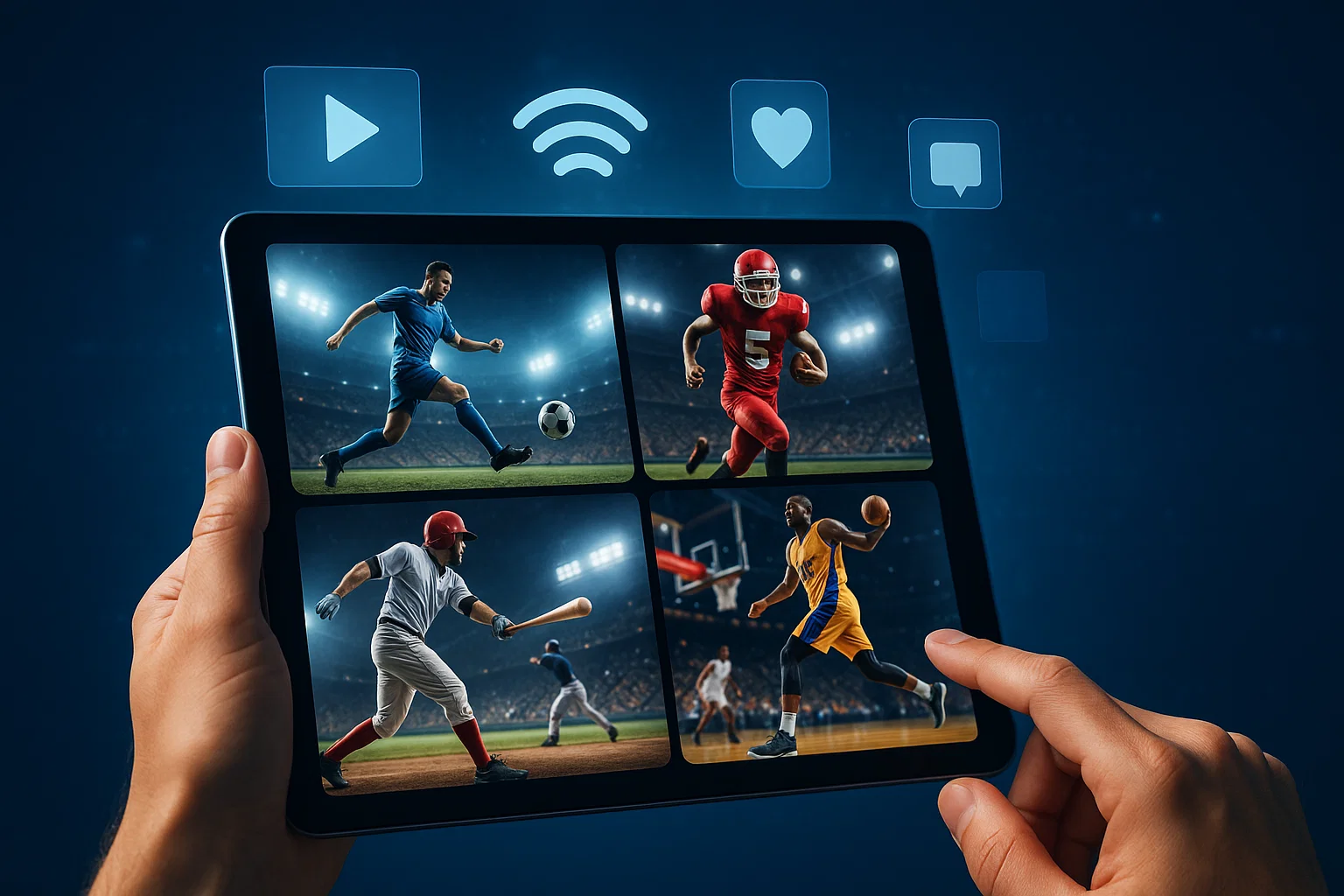
- Interactive Streaming: Fans will demand more than just watching the game; they’ll expect interactive features like real-time stats, multicam views, and the ability to influence content.
- AI and Machine Learning: Enhanced personalized experiences using AI, such as tailored highlights, game predictions, and custom content recommendations, will become the norm.
- Virtual and Augmented Reality: VR and AR will offer fans the opportunity to experience games from multiple perspectives, making them feel closer to the action than ever before.
- Esports Integration: Traditional sports will increasingly merge with esports, creating hybrid events and competitions that appeal to a broader, tech-savvy audience.
- Fan-Driven Content: Fans will have a more significant role in creating and sharing content, turning them from consumers into active content creators and brand advocates.
- Blockchain and NFTs: The rise of blockchain technology and NFTs will offer fans unique ways to own digital memorabilia and create new revenue streams for teams.
Maximizing the Value of Digital Fan Engagement for Brands
Sports brands now have the chance to connect with fans in real-time through digital platforms, offering personalized experiences that enhance fan loyalty and boost brand visibility. It’s no longer just about broadcasting content—it’s about engaging fans and creating memorable experiences that resonate beyond the game.
By using social media, live streaming, and interactive content, brands can spark conversations, offer exclusive content, and foster deeper connections with fans. Understanding fan behavior and using data-driven insights allows brands to create customized campaigns that drive engagement and loyalty, amplifying brand presence organically.
To stay competitive, brands must embrace the full potential of digital fan engagement. The tools are available—are you ready to use them and build a loyal, engaged fan base?
How Brands Can Use Digital Platforms to Connect with Sports Fans
Digital platforms offer brands the chance to engage sports fans in real-time and create personalized experiences. By leveraging social media, streaming services, and interactive tools, brands can spark fan engagement through live polls, exclusive content, and fan-driven contests. Offering behind-the-scenes access and tailored content makes fans feel like part of the action, fostering deeper connections. Brands should focus on targeted content to speak directly to fan interests, ensuring they remain engaged both during and after the game.
Effective Strategies for Sports Marketing in the Digital Age
To succeed in sports marketing today, brands must adopt personalized and engaging strategies. Fan-driven content and interactive experiences build loyalty by allowing fans to participate in challenges, polls, and live interactions. Maintaining consistency across platforms ensures a unified message, while data-driven insights help tailor content to fan preferences. Collaborating with athletes and influencers amplifies brand reach, creating authentic engagement and reinforcing brand loyalty in the digital era.
Navigating the Future of Sports Media
Digital platforms are irreversibly reshaping sports media by turning fans into active participants through real-time interaction and immersive technologies. Embracing tools like social media, streaming, VR, AR, and AI is essential for sports organizations and brands to stay relevant, deepen fan loyalty, and create personalized, engaging experiences. The future of fan engagement lies in innovation, authentic connection, and adapting to the evolving digital landscape. Those who leverage these opportunities will lead the new era of sports media.
FAQs
What are some examples of successful digital fan engagement campaigns?
How can brands measure the effectiveness of digital fan engagement strategies?
What are the privacy concerns when engaging sports fans digitally?
How can sports teams and organizations deal with content overload on digital platforms?
What role does esports play in the future of sports media and fan engagement?