












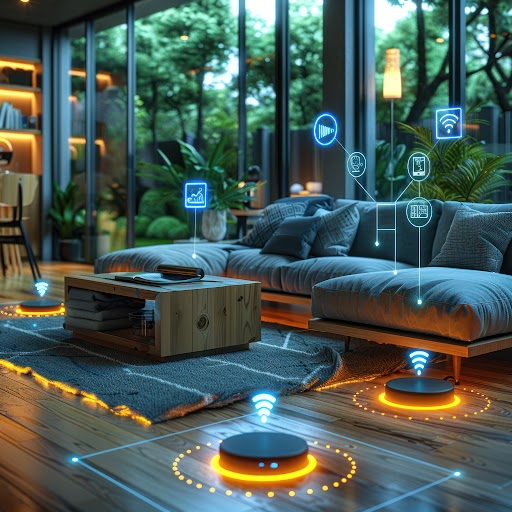

Homes are no longer just places to live; they are becoming intelligent partners in our daily routines. From smart lighting systems that adjust with the sunset to voice-controlled assistants that handle reminders, smart home technology has evolved from a luxury to a lifestyle upgrade that many households now rely on.
The challenge is that people often assume smart home devices are complex or costly. Yet, the real value lies in how they solve everyday problems: a smart thermostat reduces energy bills, a home automation system keeps elderly family members safe, or a smart security camera provides reassurance while you’re away. These aren’t futuristic gimmicks; they’re practical solutions designed to simplify life.
As more families search for the benefits of smart home technology, the demand isn’t about collecting gadgets. It’s about achieving comfort, safety, and efficiency without adding effort. Home automation trends indicate that the modern household seeks seamless integration — where devices communicate, anticipate needs, and discreetly create convenience.
The impact of smart home automation is evident everywhere, with improved energy efficiency, enhanced security, and even increased property value. This evolution is shaping a world where homes respond intuitively, and that’s why smart home technology is changing the way we live.
In the sections ahead, we’ll explore how these innovations are transforming daily life, the challenges to consider, and the exciting future of connected living.
What is Smart Home Technology?
Smart Home Tech is the connection of everyday household functions with intelligent automation. It goes beyond convenience; it’s about creating a living space that anticipates needs, improves efficiency, and enhances safety. From smart home devices that dim the lights when it gets dark to smart home products that remind you when the laundry is done, this technology transforms static houses into responsive companions.
The idea is simple yet powerful: when your environment works with you rather than against you, life becomes more seamless. By exploring real-world applications, it becomes clear why more people are embracing smart home automation as part of modern living.
Smart Lighting that Adapts to Your Mood
An intelligent lighting system doesn’t just turn lights on and off; it adjusts brightness, color, and timing to match routines. This means waking up to a gentle glow instead of a blaring alarm, or having lights turn off when a room is empty. Small changes like these save energy, reduce costs, and create a more welcoming home environment.
And the best part — it’s controlled through a tap or a voice command, proving that smart home devices are designed to make everyday living smoother.
Smart Security that Keeps Families Safe
Safety is one of the strongest reasons people turn to smart home products. Smart security cameras, door sensors, and video doorbells provide real-time updates, whether you’re across town or across the world. Instead of wondering what’s happening at home, you can see, hear, and even talk through devices that are always connected. Peace of mind isn’t just a promise; it’s the result of smart home tech protecting what matters most.
Smart Appliances that Simplify Daily Routines
From refrigerators that track groceries to smart thermostats that optimize energy usage, smart home devices eliminate the guesswork from daily routines. They don’t just perform tasks; they learn habits, adjust automatically, and save valuable time.
By reducing the mental load of small chores, smart home products free you up to focus on what truly matters — whether that’s family, work, or simply enjoying life at home.
How Smart Home Technology is Changing Daily Life
Life at home is no longer about manual switches or routine guesswork. With smart home technology, comfort, safety, and efficiency weave themselves into everyday living. Whether it’s smart home devices that manage energy, smart home products that protect your family, or automation that simplifies chores, the difference is visible in the most minor details of daily routines. This shift is more than convenience; it is redefining how people live, work, and feel secure within their homes.
The impact becomes even clearer when we examine how these interconnected systems transform specific aspects of life.
Key Benefits of Smart Home Technology
The attraction of smart home technology isn’t about owning the latest gadgets; it is about the life you gain back when small tasks run smoothly, homes feel safer, and expenses shrink without effort. By understanding the key benefits, it becomes clear why millions are adopting smart home devices and products not as luxuries, but as essentials.
Comfort and Convenience
Comfort is no longer a dream; it is a daily reality with smart home devices that respond instantly. Whether it’s lights that brighten as you walk in, a thermostat that creates the perfect temperature before bed, or voice assistants that manage reminders, life feels easier when your home anticipates your needs.
The convenience of smart home tech is not about showing off; it is about removing daily friction so routines feel seamless and stress-free.
Security and Safety
Peace of mind is priceless, and smart home products deliver it around the clock. Smart security cameras, door locks, and sensors provide real-time alerts, letting you check on loved ones or respond to unexpected events instantly. For families, this level of safety instills confidence that the home is always protected, even from a distance.
The true power of smart home technology lies not in the device itself but in the reassurance it provides. That reassurance becomes a way of life.
Energy Efficiency and Cost Savings
Smart thermostats, intelligent lighting systems, and energy-tracking appliances help households lower bills without sacrificing comfort. By learning your habits, these smart home devices automatically adjust to save power, reduce waste, and foster a greener lifestyle.
What makes this benefit stand out is the long-term payoff. Smart homes don’t just make life easier; they make it more sustainable, turning energy savings into real financial savings month after month.
Accessibility for the Elderly and Differently Abled
For the elderly and those with disabilities, smart home technology offers independence that was once felt to be out of reach. Voice commands to control appliances, automated lighting for safer movement, and intelligent monitoring systems that alert caregivers when needed — these smart home products make homes more inclusive.
Accessibility is not an add-on feature; it is a central promise of smart home tech. When technology extends dignity and support, it changes more than routines — it changes lives.
Each of these benefits adds up to a bigger story: smart home technology is changing the way we live by creating homes that are not just connected but truly responsive. And this is only the beginning of what’s possible.
Smart Home Devices You Need to Know
The world of smart home technology is vast, but not every device is essential. Some smart home products stand out because they simplify routines, enhance safety, and reduce costs in ways that genuinely transform how a household operates. These are the smart home devices that deliver the most impact and show why connected living is more than just a trend.
Voice Assistants
The heart of smart home tech often starts with a voice. Voice assistants like Alexa, Google Assistant, or Siri enable you to control lights, play music, check the weather, or manage your shopping list with simple voice commands. They become the central hub, connecting various smart home devices and making them work together seamlessly.
This is convenience at its best — talking to your home and having it respond instantly. Once you experience it, returning to manual control feels outdated.
Smart Thermostats
Heating and cooling are among the most significant contributors to household expenses, and this is where smart thermostats excel. These smart home products learn your daily patterns, automatically adjust temperatures, and track energy usage. The result is comfort when you want it and savings when you don’t.
By reducing wasted energy, smart thermostats not only lower bills but also support a more sustainable lifestyle. They show how a small device can have a significant impact.
Smart Security Systems
Safety is one of the strongest motivations for adopting smart home devices. An intelligent security system integrates cameras, sensors, and alarms into a connected network, providing real-time updates. Whether you are at work, traveling, or simply relaxing, these systems keep watch and send alerts to your phone instantly. The benefit goes beyond preventing break-ins. It’s about knowing that your loved ones and belongings are safe without the constant worry. That assurance is what makes smart home technology indispensable.
Smart Lighting and Appliances
From lights that dim as the sun sets to smart appliances that manage chores more efficiently, these devices add comfort without requiring attention. Intelligent lighting systems reduce wasted energy by automatically shutting off, while appliances like refrigerators, ovens, and washing machines can be controlled remotely or programmed to operate on schedules.
The value lies in how these smart home products handle repetitive tasks quietly in the background, giving you more time to focus on what matters most.
Together, these essential smart home devices highlight how technology can be practical, intuitive, and profoundly beneficial. Each one is a building block in creating a home that feels effortless to manage and smarter every day.
Challenges & Concerns with Smart Homes
While smart home technology delivers comfort and efficiency, it also raises valid questions that every household should consider before making a decision. From data security to long-term costs and system compatibility, these challenges shape the real-world experience of living with smart home devices. By understanding them clearly, readers can make confident choices about the smart home products they invest in.
Privacy and Data Security
The convenience of connected living comes with one primary concern — data. Every time smart home devices collect information about habits, schedules, or preferences, that data needs protection. The question isn’t whether these smart home products are useful; it’s whether they are secure enough to trust.
Manufacturers are investing in stronger encryption and safer networks, but users still need to be aware of risks like hacking or unauthorized access. Addressing this challenge requires a balance: enjoying the benefits of smart home tech while staying alert to security practices such as two-factor authentication and regular software updates.
Cost of Setup and Upgrades
For many households, the barrier to entry is financial. Smart home devices may begin with a single purchase, such as a smart thermostat or a voice assistant, but creating a connected ecosystem often requires ongoing investment. Newer models, system updates, and additional smart home products can add up over time.
The key isn’t avoiding the cost but weighing it against the return. Savings on energy bills, improved safety, and long-term convenience often offset the initial expense. When viewed as an investment in lifestyle and property value, smart home tech becomes less about cost and more about payoff.
Device Compatibility Issues
Not every device plays nicely with another. One of the most frustrating aspects for new users is finding that their smart home devices don’t integrate well across different brands. A security system may not sync with lighting, or a smart thermostat may clash with certain voice assistants.
The solution lies in research and choosing ecosystems that prioritize compatibility. Standards like Matter and Thread are helping to address this challenge, but the reality is that households must plan carefully before building a smart home system. By addressing compatibility upfront, families can avoid headaches and fully enjoy the benefits of smart home technology.
Challenges such as privacy, cost, and compatibility do not diminish the value of smart home technology — they highlight what needs to be managed for a seamless experience. As the industry evolves, solutions are emerging rapidly, and understanding these concerns now sets the stage for making more informed decisions in the future.
Future Trends in Smart Home Automation
The evolution of Smart Home Tech is moving fast, and what feels advanced today will soon become standard. The focus is shifting from standalone smart home devices to entire connected systems that predict, adapt, and improve the way we live. These upcoming trends highlight how smart home products are set to transform lifestyles even further:
- AI and Predictive Automation: Homes will learn routines and anticipate needs, from adjusting temperatures before you ask to preparing energy-efficient schedules that save both time and money.
- IoT Ecosystem Growth: Seamless communication between different smart home devices will reduce compatibility issues and create a truly interconnected living environment.
- Sustainability and Green Living: Future smart home products will focus heavily on eco-friendly features, from advanced energy monitoring to smart appliances that minimize waste and support sustainable living.
- Integration with Healthcare and Remote Monitoring: Health-focused smart home tech will track vital signs, support elderly care, and connect with healthcare providers, ensuring safer and more independent living.
Is Smart Home Technology Worth It?
The value of Smart Home Tech depends on how you measure it. For some, the appeal lies in convenience and lifestyle upgrades; for others, it’s the return on investment through savings and property value. Here’s a breakdown that helps weigh the benefits of smart home devices and smart home products.
| Factor | What It Means | Why It Matters |
| Cost vs. Long-Term Savings | Initial setup for smart home devices, such as thermostats, lighting, and appliances, may seem costly. | Over time, energy-efficient smart home products reduce bills, cut waste, and pay for themselves through consistent savings. |
| Impact on Property Value | Homes with smart home technology are increasingly attractive to buyers. | Smart-enabled properties often sell faster and at higher prices because buyers value built-in convenience and security |
| Lifestyle Improvements | From safer living with intelligent security systems to stress-free routines with voice assistants, comfort becomes standard. | These upgrades enhance the quality of life, providing you with more time, peace of mind, and a more connected home environment. |
The real worth of smart home technology isn’t just measured in numbers — it’s evident in the ease, security, and independence it delivers every day. And that’s why adoption continues to rise year after year.
How to Get Started with Smart Home Technology
The first step into Smart Home Tech doesn’t have to be overwhelming. By starting small and scaling gradually, you can create a connected environment that fits your lifestyle and budget. Whether you want more comfort, stronger security, or simple convenience, there’s a path to make it work without confusion.
Beginner-Friendly Devices
Starting with the right smart home devices makes the transition to a smart home seamless. Voice assistants, smart plugs, and intelligent lighting systems are easy to install and require little technical know-how. These smart home products instantly showcase the value of automation — lights that respond to your voice, plugs that can be scheduled, and assistants that handle daily reminders.
Beginning with these devices builds confidence and sets the foundation for adding more advanced technology later on.
Budgeting for a Smart Home
The cost of building a smart home varies, but careful planning can help prevent overspending. Begin by identifying which smart home devices bring the most value to your lifestyle. A smart thermostat or security camera may save more money in the long term than multiple smaller gadgets.
Prioritizing essential smart home products ensures you maximize impact without draining your budget. Think of it as an investment that returns in energy savings, convenience, and property value.
Choosing the Right Ecosystem (Google, Alexa, Apple)
Not all systems work seamlessly together, making it crucial to choose the right ecosystem. Whether it’s Google Home, Amazon Alexa, or Apple HomeKit, your decision shapes how all future smart home devices connect. Each ecosystem has strengths: Alexa offers vast device compatibility, Google excels in search-driven tasks, and Apple focuses on privacy and integration.
By committing early, you avoid compatibility frustrations and build a home where smart home products function in harmony. The right choice ensures that your home is not just connected but unified.
Getting started with Smart Home Tech is about building steadily, budgeting wisely, and choosing the right ecosystem. Once those steps are clear, expanding into a fully automated lifestyle becomes rewarding and straightforward.
Final Thoughts
Smart home technology is no longer an optional upgrade; it is redefining how people live, work, and connect with their homes. From the comfort of intelligent lighting systems to the security of smart home devices and the savings offered by smart thermostats, these innovations prove that connected living delivers real, measurable value. While challenges such as cost, privacy, and compatibility exist, the benefits far outweigh them when approached with careful planning and consideration.
As automation continues to evolve, smart home products will only become more intuitive, sustainable, and essential. The real question is not whether this shift is happening, but how soon you will incorporate it into your lifestyle.
FAQs
How do I protect my smart home devices from hackers?
What are the costs involved in setting up a smart home?
Can smart home devices work during power outages?
Can I integrate my existing devices into my smart home system?
How can I ensure my smart home devices are compatible with each other?