


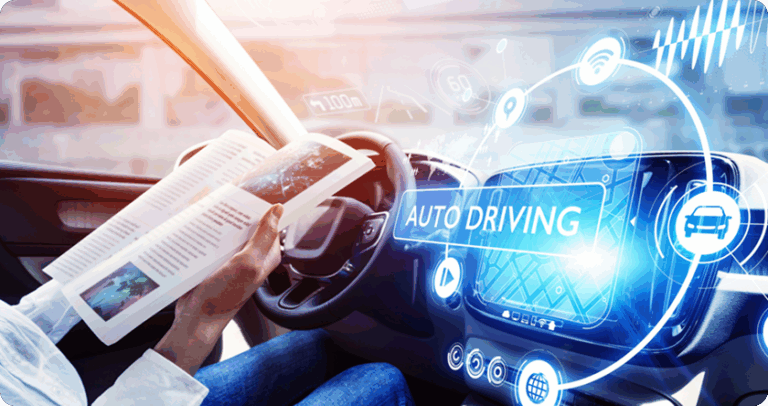








Traffic jams, pollution, and unreliable commutes are more than daily frustrations—they are economic and social bottlenecks slowing down progress. Cities across the globe are realizing that traditional infrastructure cannot keep pace with growing populations and complex mobility demands. The problem is clear: without more intelligent systems, the gridlock of the past will become the crisis of the future.
This is where smart city solutions step in, not as futuristic concepts but as practical, scalable answers that are already transforming lives. By integrating smart transportation solutions into urban planning, city leaders are reducing congestion, enhancing safety, and fostering sustainable journeys that align with the pace of modern life. What once felt like science fiction—real-time traffic flow management, connected vehicles, AI-driven analytics, and intelligent transportation systems—is now becoming a daily reality.
The opportunity here is bigger than better commutes. The rise of smart mobility represents a global shift toward cleaner air, faster movement, and data-driven decisions that put both citizens and policymakers in control. It’s not just about moving people from one place to another—it’s about shaping the very quality of life in the world’s most dynamic cities.
As we move deeper into this transformation, one question stands out from the conversations people are asking online: How do smart cities improve transportation? That’s the answer this blog will unpack—showing how innovation, strategy, and vision are merging to redefine the way the world moves.
What Is Smart City Transportation?
The link between Smart Cities and Transportation goes far beyond traffic lights and buses. It is the integration of smart city solutions with advanced technology that creates seamless, efficient, and sustainable ways of moving people and goods. By merging Smart Transportation Solutions with urban planning, cities are turning complex data into decisions that ease congestion, cut emissions, and improve safety. This is not about futuristic promises but about systems already shaping everyday life in progressive cities worldwide.
When people search for what smart city transportation is, they are not only asking for a definition—they are seeking clarity on how these solutions affect their commute, their environment, and their future. That is precisely what we will break down next, showing both the concept and its real-world impact.
How Technology Defines Smart City Transportation
Smart City Transportation can be understood as the backbone of a connected, data-driven city where IoT sensors, AI analytics, and real-time information power mobility. It combines public transit, private vehicles, ride-sharing, and micromobility into one intelligent ecosystem. For example, a city using IoT-enabled traffic lights can reduce wait times at intersections, while AI-driven predictive systems can reroute vehicles to prevent gridlock before it happens.
This definition is not abstract—it is already visible in cities using innovative transportation solutions to monitor air quality, improve road safety, and connect different modes of travel under a single digital network. The key lies in integration: every signal, sensor, and service working together to create smooth, reliable, and sustainable mobility.
As this understanding becomes clearer, the next natural question arises: how does all of this actually work in practice, and why does it matter for those who rely on transportation daily?
What Is Smart City Transportation and Why It Matters
The connection between smart cities and transportation is about more than simply moving people. It focuses on creating connected, efficient, and sustainable systems that improve quality of life. By combining smart city solutions with technologies like IoT sensors, AI analytics, and real-time data, cities are redesigning how mobility works on every level.
When people search for smart city transportation, they want to see how these innovations deliver real value. The impact is already visible in how innovative transportation solutions are reshaping urban mobility:
- IoT-enabled traffic lights that adapt to congestion in real time
- AI-driven transit systems predict demand and adjust routes for efficiency.
- Smart city solutions for integrated payments across buses, metros, and ride-share services
- Data-driven planning tools guiding policymakers toward safer and greener roads
- Smart mobility options such as e-bikes and shared vehicles are reducing private car dependency.
These advances show why smart transportation solutions matter: they go beyond convenience, tackling congestion, safety, and sustainability while giving citizens more control over their journeys.
As we move ahead, the influence of smart cities and transportation becomes clearer through intelligent systems, shared mobility, and innovative approaches that are shaping a future of smarter, cleaner urban living.
Core Foundations of Smart Mobility in Smart Cities
The strength of smart cities and transportation lies in how well their systems work together. Mobility is not just about moving from one point to another but about ensuring every journey is faster, safer, and more sustainable. By blending innovative city solutions with advanced data and technology, cities are building a future where travel is efficient and connected across every mode of transport. Readers exploring these foundations will discover the essential elements driving this transformation—and how each one plays a role in creating a more innovative way to move.
The Essential Pillars Shaping Smart Mobility
The progress of smart mobility rests on strong foundations that combine innovation with practicality. Smart transportation solutions provide more than convenience; they reshape how entire cities function. Each element—from data-driven traffic control to real-time route optimization—acts as a pillar that supports a healthier, less congested, and more connected environment.
- Intelligent systems reduce waiting times at intersections through predictive signals.
- Mobility platforms integrate buses, metros, and ride-shares into one seamless network.
- Shared mobility services lighten the burden on crowded roads.
- Sustainable transit options cut emissions and improve air quality
These pillars are not isolated pieces but interconnected forces that set the direction of smart cities and transportation toward a future that benefits citizens, policymakers, and businesses alike. The next step is understanding how these foundations drive innovation and growth in every corner of urban life.
Key Drivers Behind Smart Transportation Solutions
What makes smart transportation solutions effective is not just the technology but the drivers pushing adoption forward. The demand for safer streets, reduced congestion, and cleaner environments forces cities to rethink outdated systems.
- IoT devices monitor traffic patterns with precision.
- AI algorithms anticipate travel demand and adjust resources dynamically.
- Data platforms empower city planners to make decisions based on evidence rather than guesswork.
- Public-private partnerships fuel innovation, turning experimental pilots into scalable success stories.
Each of these drivers accelerates progress, ensuring that innovative city solutions become practical tools rather than distant ambitions. As these forces grow stronger, they create opportunities for cities to reimagine transportation as a service built around human needs rather than just infrastructure.
The Building Blocks of Future-Ready Mobility
Every smart city needs a blueprint, and future-ready mobility depends on a few non-negotiable building blocks. These are the systems and services that will keep transportation agile as populations grow and challenges become more complex.
- Intelligent transportation systems form the digital nervous system of the city.
- Mobility as a service brings all travel options under one accessible platform.
- Connected vehicles and autonomous technology create safer and faster routes.
- Micromobility expands access to short trips while reducing reliance on private cars.
Together, these building blocks ensure that smart cities and transportation remain adaptive, resilient, and prepared for the demands of the future. They turn complexity into simplicity, ensuring people can move freely without friction. What emerges is not just a plan for today but a sustainable roadmap for decades to come.
Smart mobility pillars transforming urban transportation
The transformation of urban transportation is evident in how smart mobility pillars impact everyday life. What once felt like minor improvements—better bus routes, efficient payment systems, or cleaner energy—are now converging into large-scale change.
- Smart traffic systems reduce the economic cost of congestion.
- MaaS platforms improve accessibility for commuters and tourists alike
- Autonomous vehicles increase safety and efficiency.
- Green transit initiatives align mobility with global sustainability goals.
Each of these pillars proves that smart city solutions do not just fix broken systems—they elevate the entire urban experience. This transformation is the bridge between the challenges of the present and the opportunities of the future, leading us naturally into the broader question of how these innovations translate into real-world results.
How Smart Cities Are Transforming Transportation
The impact of smart cities and transportation is best understood when we see how technology turns everyday challenges into opportunities. By using smart city solutions and smart transportation solutions, urban centers are tackling issues like traffic congestion, safety concerns, rising emissions, and poor commuter experiences. Each improvement proves that transformation is not an abstract idea but a visible, measurable change in how people move through their cities.
Reducing Congestion Through Real-Time Traffic Management
Few things drain productivity and patience like standstill traffic. Smart transportation solutions powered by real-time traffic management ease congestion by turning data into action. IoT sensors and AI-driven analytics track patterns across intersections and highways, adjusting signal timings to keep traffic flowing.
- Dynamic traffic lights reduce idle times at intersections
- Predictive systems reroute vehicles before gridlock occurs
- Data dashboards give city planners live insights for long-term improvements
This reduces wasted fuel, saves time, and creates smoother journeys for citizens. As congestion clears, cities unlock not only better mobility but also stronger economic performance. The next focus is safety—because efficient travel must also be secure.
Enhancing Safety with AI-Powered Monitoring Systems
The value of smart city solutions shines brightest when lives are protected. AI-powered monitoring tools are giving cities a sharper lens to reduce accidents and improve emergency response.
- AI cameras detect reckless driving and alert authorities instantly
- Predictive analytics identify high-risk zones before accidents occur
- Smart crosswalks prioritize pedestrian safety with sensor-based signals
By integrating these systems into smart cities and transportation networks, urban leaders minimize human error while improving trust in public infrastructure. Safety becomes the foundation of mobility, creating confidence for commuters and paving the way for sustainable change.
Lowering Emissions with Smarter, Sustainable Mobility
Transportation is one of the biggest contributors to urban pollution, and smart transportation solutions are reversing the trend. Cleaner mobility is not only possible but also practical when sustainability is designed into the system.
- Electric buses and green transit options replace fossil-fuel fleets
- IoT-enabled monitoring reduces unnecessary vehicle idling
- Shared mobility platforms cut down on single-passenger car trips
The result is lower emissions, healthier air, and cities that align with global sustainability goals. For commuters, it means traveling without guilt and knowing their journeys contribute to a cleaner tomorrow. With emissions falling, the focus shifts toward improving the overall commuter experience.
Improving Commuter Experience Through Seamless Integration
A city’s transportation system succeeds when it feels effortless. Smart city solutions are now merging different modes of transport—buses, metros, ride-shares, and micromobility—into one integrated ecosystem.
- Unified payment systems let commuters switch modes with one tap
- Real-time apps show bus arrivals, train schedules, and e-scooter availability
- Data integration ensures less waiting, fewer missed connections, and smoother rides
This seamless approach improves daily commutes and makes public transport more attractive than private car ownership. By focusing on integration, smart cities and transportation deliver a commuter-first experience that proves innovation is not only about technology but also about people.
The Real Value of Smart City Solutions for Every Stakeholder
The success of smart cities and transportation is measured by how well it serve everyone involved. From policymakers shaping infrastructure to businesses fueling innovation and citizens experiencing daily travel, the value of smart city solutions extends across the entire ecosystem. Each stakeholder group gains unique benefits that make the case for continued investment in smart transportation solutions.
Smarter Decisions for Policymakers: Efficiency and Planning Insights
For city leaders and policymakers, the pressure to deliver efficient, safe, and sustainable mobility is constant. Smart city solutions provide the data and tools needed to make informed choices.
- Real-time analytics help in reducing costs while improving infrastructure use
- Predictive models support long-term urban planning and traffic flow strategies.
- Transparent data builds citizen trust in government initiatives.
With these insights, policymakers can shift from reactive problem-solving to proactive leadership, ensuring smart transportation solutions align with both economic goals and community needs. The transformation for businesses is just as impactful.
Unlocking Growth for Businesses and Startups Through Smart Mobility
The rise of smart transportation solutions creates fertile ground for businesses and startups to innovate. Whether it is building mobility as a service (MaaS) platforms or offering connected mobility services, opportunities are proliferating.
- Startups can introduce subscription-based commuting models
- Companies can leverage MaaS to reduce employee commuting challenges
- Partnerships with cities open doors to scalable pilots and rapid adoption
By tapping into smart city solutions, businesses become part of a larger movement—one that creates profit while solving real mobility problems. The biggest winners, however, are the citizens who experience these benefits firsthand.
Everyday Benefits for Citizens: Faster, Safer, Greener Commutes
For citizens, smart cities and transportation make daily life easier, safer, and more sustainable. The changes are visible not in theory but in daily routines.
- Faster commutes with reduced congestion and real-time updates
- Safer roads supported by AI-powered monitoring and more innovative intersections
- Eco-friendly options like shared bikes, electric buses, and seamless integration of services
These improvements mean less time stuck in traffic, lower costs of commuting, and cleaner air to breathe. Smart transportation solutions are not just about movement—they are about enhancing the overall quality of life
Global Examples of Smart Transport in Action
The actual value of smart cities and transportation is best understood by looking at how leading cities are already applying smart city solutions in real-world settings. From Asia to Europe and the United States, every region has examples that prove smart transportation solutions are not just concepts but active systems improving lives today. These global case studies highlight different approaches, each offering lessons for the future of mobility.
Singapore Leading with Autonomous Shuttle Trials
Singapore has been one of the first countries to introduce autonomous shuttle services into public use. Through trials like the first on-demand autonomous shuttle trial in Sentosa, the city has shown how connected vehicles can operate safely in urban spaces. These trials provide vital insights into scaling autonomous mobility while reducing dependence on private cars. Singapore demonstrates how innovative transportation solutions can prepare cities for a driverless future where efficiency and safety coexist.
Barcelona Setting Standards with Smart Traffic Lights
Barcelona is widely recognized as a global pioneer in smart city solutions. The city’s AI-powered smart traffic light system prioritizes buses and emergency vehicles, dynamically adjusting signals based on real-time conditions. This innovation not only reduces congestion but also cuts emissions and ensures faster emergency response times. Barcelona proves that even a single investment, such as more innovative intersections, can reshape how urban mobility flows.
Amsterdam Advancing Mobility as a Service Pilots
Amsterdam continues to lead Europe with its mobility as a service (MaaS) pilots, unifying public and private modes of travel under one platform. Projects like the Zuidas Mobility Experience allow citizens to plan, book, and pay for trips seamlessly. By integrating metros, buses, trains, bikes, and ride-shares into a single app, Amsterdam demonstrates that MaaS can reduce car dependence while promoting greener and more flexible transport options.
U.S. Cities Driving Innovation with Smart Transport Case Studies
Major U.S. cities are also adopting smart transportation solutions at scale. New York City’s adaptive traffic signals help reduce gridlock in Manhattan, while Los Angeles deploys AI-based systems to manage event-related traffic surges. Both cities are piloting electric buses, shared mobility programs, and data-driven planning tools to improve long-term sustainability. These case studies highlight how smart cities and transportation can succeed even in large, complex urban environments.
Barriers Slowing the Growth of Smart Transportation
The promise of smart cities and transportation is powerful, but the journey is not without roadblocks. While smart city solutions and smart transportation solutions are gaining momentum worldwide, cities face practical and structural barriers that slow progress. These challenges highlight why transformation takes time—and what must be overcome to achieve scale.
- High infrastructure costs make it difficult for many cities to upgrade existing networks and deploy cutting-edge systems.
- Data privacy and cybersecurity risks create hesitation, as citizens and governments fear misuse of sensitive mobility data.
- Integration with legacy systems remains complex, with outdated infrastructure clashing against modern digital platforms.
- Public acceptance and behavior change are often underestimated—commuters may resist shifting from private cars to shared mobility or new MaaS platforms.
These barriers show that innovation must be paired with trust, investment, and collaboration. The very obstacles slowing adoption today are also opportunities for smarter policy, stronger partnerships, and citizen engagement to build momentum for the future of mobility.
The Future of Smart Transportation: 2030 and Beyond
The next decade will redefine how smart cities and transportation shape urban life. With rapid advances in smart city solutions and smart transportation solutions, mobility will no longer be limited to efficiency alone—it will become predictive, autonomous, and deeply sustainable. By 2030, the systems being piloted today will form the backbone of how millions travel every day.
- AI-driven predictive mobility will anticipate traffic patterns and adjust citywide systems before congestion builds
- Fully autonomous public transport fleets will serve commuters with minimal human intervention.
- Sustainable, carbon-neutral transit networks will replace traditional fleets, aligning mobility with climate goals.
- Hyperloop and next-gen mobility concepts will move from prototype to pilot, opening new dimensions of high-speed urban travel.
The outlook is not just about technology—it is about how cities, businesses, and citizens adapt to a smarter, cleaner, and more resilient ecosystem. The choices made today will decide how seamlessly these breakthroughs become an everyday reality tomorrow.
Final Thoughts
The journey of smart cities and transportation is more than a technological evolution—it is a societal shift. By embracing smart city solutions and smart transportation solutions, communities are tackling the toughest mobility challenges head-on. From reducing congestion and improving safety to lowering emissions and creating seamless commuter experiences, these innovations are reshaping urban life. The future of transportation is not just about moving people; it is about building cities that are cleaner, smarter, and more human-centered. The decisions made today will define whether tomorrow’s mobility is a challenge or an opportunity.
FAQs
What are the long-term benefits of implementing smart transportation systems?
How can smart cities ensure that transportation solutions are equitable for all citizens?
What’s the role of public-private partnerships in advancing smart mobility?
How will smart transportation adapt to future technological developments like autonomous vehicles?
What are the key considerations for cities when transitioning to smart mobility solutions?