









Stadiums sat empty. Screens lit up. And just like that, the rules of events changed forever. Not by choice—but by force. What began as a stopgap—virtual events replacing canceled conferences—has quietly turned into a revolution. And the smart ones? They’re not going back.
The world has spoken: people want flexibility. They want the energy of in-person events, the accessibility of virtual platforms, and the power to choose. In short, they want hybrid events. And if your event strategy is still stuck in either-or mode, you’re leaving relevance, revenue, and reach on the table.
This isn’t about jumping on a trend. It’s about staying in the game. From Fortune 500s to lean B2B brands, event organizers are rethinking everything—formats, engagement, ROI, and what it means to connect in a split-attention economy.
The shift is permanent. And hybrid event strategies are no longer a “nice-to-have”—they’re the new baseline for success.
You’re not just hosting an event anymore. You’re orchestrating a two-track experience that must feel unified, intentional, and deeply human. That’s the challenge—and the opportunity.
Inside, you’ll discover how to craft hybrid events that feel cohesive, not cobbled together, turning two audiences into one unforgettable experience. Let’s get you ahead of the curve—before your competition does.
Hybrid Events: You’ve Likely Attended One Without Even Realising
We’ve all been to that event. You’re watching a keynote on your phone, someone else is clapping in the room, and another is tweeting insights from a time zone away. No big deal. That’s just how events work now.
Except… that is the hybrid event. And most brands are still missing the point.
Hybrid events aren’t about duplicating your in-person event online. They’re about designing a connected, intentional experience that gives every attendee—remote or on-site—a seat at the same table. Not a side-stream. Not a compromise. A true bridge.
Whether it’s a global summit or a mid-tier product launch, the winners are the brands treating virtual and in-person events as two channels, one strategy—each feeding the other, not fighting for attention.
Hybrid Isn’t a Format. It’s a Mindset Shift.
Hosting a hybrid event isn’t just plugging in a livestream and calling it a day. It’s asking: “How do we design for two different experiences without making either feel like an afterthought?”
In-person attendees want energy, connection, and face time. Virtual attendees want access, convenience, and real-time interaction. Both want relevance, and they want it now.
An actual hybrid experience puts both audiences on equal footing—even if they’re miles apart. That means planning content, networking, and tech that feels equally native to the screen and the stage.
Think Beyond the Screen — Think Ecosystem
Successful hybrid event strategies go beyond the event day. They’re ecosystems of interaction:
- Virtual breakouts for deeper engagement
- In-room polls are visible to both audiences
- Asynchronous content for global access
- CRM-integrated touchpoints that track both online and offline attendee behavior
This is where hybrid shines—not as a backup plan, but as a scalable growth engine. The best part? You don’t need a massive budget—just a shift in how you define what an “event” really is.
Virtual Meets Physical: How to Make Two Worlds Feel Like One Seamless Experience
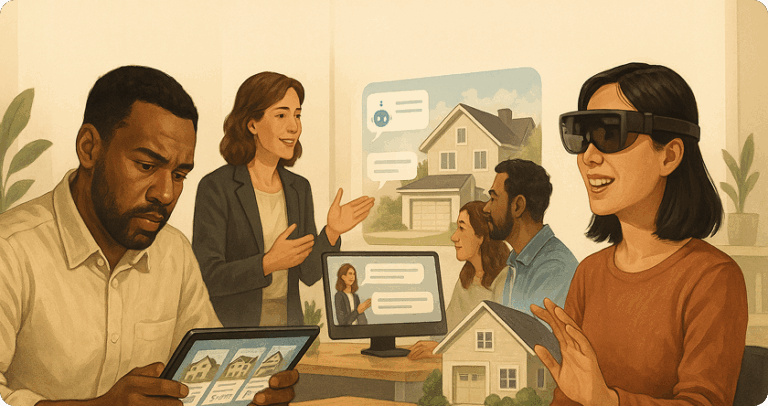
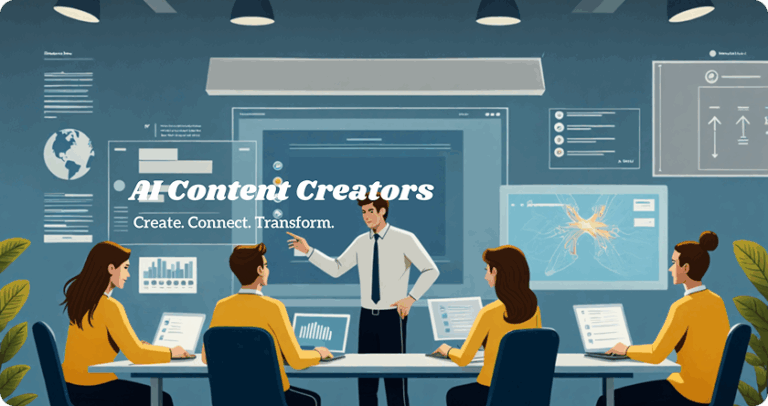
Blending virtual and in-person experiences creates a cohesive environment where all participants feel equally involved. By leveraging clear communication, synchronized agendas, and advanced tech, events can engage both physical and virtual audiences seamlessly.
Take a look at the image below to visualize how these elements come together to deliver an unforgettable hybrid event experience.
The Hybrid Event Playbook: How Smart Planners Are Winning Big
Most hybrid events underperform not because of bad tech, but because of bad planning. Too many planners treat the in-person part like the “real” event, and the virtual part like a livestream afterthought. But the brands that are winning? They’ve cracked the code. They’re not just hosting events. They’re engineering experiences—ones that make virtual and in-person attendees feel equally important, equally engaged, and equally likely to become loyal advocates.
And they’re doing it with leaner budgets, tighter teams, and more intelligent systems. Here’s what their hybrid event strategy looks like under the hood:
Engagement Flows That Sync, Not Separate
Engagement isn’t a “nice touch” anymore—it’s the engine. The best planners treat engagement like choreography. Every move is intentional. Whether someone’s in the front row or on their couch, they get:
- Real-time interactions like live polls, emoji reactions, and Q&As
- Shared moments—think synced icebreakers, giveaways, and breakout sessions
- On-demand content that extends the value long after the last slide
This is how hybrid event engagement strategies go from one-dimensional to unforgettable.
It’s not about dazzling them—it’s about involving them.
Speaker Formats That Flex Across Formats
A speaker who excels on stage might struggle on Zoom. Savvy planners get this—and design accordingly.
- Hybrid-friendly formats like fireside chats, panel discussions, and moderated AMAs thrive across both worlds.
- Shorter sessions (20–30 mins max) keep digital fatigue away.
Simultaneous moderation ensures both audiences are heard, not just seen.
Hybrid events succeed when speakers are curated not just for content, but for format fit. The pros rehearse transitions, have camera awareness, and deliver with both audiences in mind.
Budget Smarts: Where to Spend and Where to Scale Back
Let’s be blunt: hybrid events cost money—but not in the way most people think.
The trick is knowing where to invest for maximum return:
- Cut the fluff (big venue décor, unnecessary swag).
- Double down on tech infrastructure, streaming quality, and platform UX.
Allocate budget for a content repurposing strategy that turns one event into 12 months of fuel.
What looks like a cost today becomes a marketing asset tomorrow—podcasts, blog clips, gated videos, and more.
Tech That Doesn’t Suck: Your Essential Hybrid Event Stack
You only get one shot. One mic delay. One camera freeze. One speaker cut off mid-sentence—and your audience checks out. Worse? They never come back.
This is where most hybrid events fall apart. Not because the idea was wrong. But because the tech stack was held together by duct tape and optimism.
Hybrid event success lives and dies by your tools. And no, not every shiny platform with a “live” badge cuts it. Let’s break down the hybrid event technology that delivers on its promise—connecting, engaging, and scaling—without turning your event into a troubleshooting hotline.
The Platform Is the Stage — Pick One That Holds Up
The platform isn’t just where your event happens.
It is the event for your remote audience.
And they’re not forgiving.
You need a hybrid event platform that doesn’t glitch under pressure, supports live and pre-recorded content, offers interactive features (like Q&As, breakout rooms, and polls), and—most importantly—feels intuitive for non-tech users.
Top-rated platforms like Hopin, Hubilo, and vFairs lead the space for a reason. They’ve mastered what most don’t: stable, scalable, and slick UX for both planners and attendees.
People also ask:
- What is the best platform for hybrid events?
- How do I choose a virtual event platform that integrates with CRM tools?
Audio/Visual Equipment That Delivers Without Drama
You don’t need a film crew. You need the proper AV setup that doesn’t make your speaker sound like it’s calling from underwater.
At minimum:
- Noise-canceling mics (Lavalier or cardioid for speakers)
- HD webcams or mirrorless cameras with proper framing
- Lighting kits to prevent “Zoom cave” syndrome
If your virtual audience can’t see or hear properly, you’ve lost half the room—even if they’re still technically “logged in.”
Engagement Tools That Don’t Feel Tacked On
You can’t rely on emoji reactions and hope people stay interested.
The best hybrid event tools go beyond streaming—they let people interact, network, and participate in real-time, no matter their location.
Look for platforms that integrate:
- Live chat, polls, and quizzes
- AI-powered networking to match attendees based on interest
- Gamification features that boost session stickiness
Bonus? Tools like Slido, Mentimeter, or Whova plug into most setups and make engagement feel effortless, not forced.
Data and CRM Integration That Drives Real ROI
If your event ends when the lights go out, you’re wasting gold.
Event tech should capture every click, question, and conversion, feeding your CRM or email marketing pipeline. Whether you’re using Marketo, Salesforce, or HubSpot, your hybrid stack must support:
- Real-time analytics (who watched, who engaged, who dropped)
- Behavior-based segmentation for more intelligent post-event targeting
- Content tracking to know what resonated
Because significant events don’t just impress—they convert. The right tech doesn’t just make your event smoother. It makes it smarter. So, before you spend more on speakers or swag, get your hybrid event technology stack dialed in.
It’s the difference between hosting a one-off experience and building a repeatable, scalable system that works every single time.
Audience Engagement 2.0: From Passive to Plugged-In
Let’s be brutally honest, most hybrid events still treat virtual attendees like second-class citizens. They’re expected to sit quietly behind their screens, squint at half-legible slides, and applaud speakers they can barely see, while the in-person crowd gets the energy, the eye contact, and the human connection.
But the reality is this: a passive audience is a lost opportunity.
- They don’t ask questions. They don’t network.
- And most importantly? They don’t convert.
You can’t afford that anymore. In a world where attention is your rarest commodity, engagement isn’t a feature—it’s the entire product. And it needs to be designed with precision, empathy, and intention from the ground up.
Design for Participation—Not Just Viewership
Attendance is a vanity metric. Engagement is a revenue driver. Yet many event planners still focus on getting people “in the door,” virtual or not, and hope the content will do the rest. That’s not how it works anymore.
Whether someone is in the front row or five time zones away, they expect:
- A voice in the conversation, not just a seat at the (virtual) table
- Personalized experiences—not generic, one-size-fits-none panels
- Moments of recognition—because people engage when they feel seen
The key? Build a synchronous engagement layer that treats both your in-person and virtual attendees as co-creators of the experience. Think:
- Dual-stream Q&A moderated live from the stage
- Live polls that guide real-time decisions during the session
- Breakout groups that mix remote and on-site attendees with guided topics
You’re not just filling agendas—you’re building interaction loops.
Micro-Moments = Macro Impact
A hybrid event shouldn’t feel like one long broadcast.
It should feel like a series of intentional moments that invite participation and spark emotion. Here’s how top-performing events keep both sides of the audience awake, alert, and invested:
- Gamified challenges that reward action (complete three sessions, earn a giveaway)
- Interactive quizzes tied to session content, with leaderboards across formats
- Two-way interviews where audience questions dictate the narrative flow
And don’t underestimate surprise. Whether it’s a bonus guest speaker or a sudden prize drop, these micro-surprises break passive cycles and create real emotional stickiness. Because when people are surprised, they remember.
And when they remember, they return.
The Follow-Through Is the Differentiator
Here’s where most hybrid engagement dies: at the log-off button. But the best hybrid events extend the conversation far beyond the event platform. They nurture every attendee into a relationship, not just a registration.
That looks like:
- Sending personalized follow-up content based on session behavior
- Inviting top participants into a private mastermind group or post-event webinar
- Creating content hubs with on-demand replays, notes, and community chat
- Segmenting your CRM based on how attendees engaged, and retargeting smartly
This is where your event ROI multiplies. Because engaged attendees don’t just attend, they download.
Don’t Build for Presence. Build for Participation.
Hybrid events aren’t about adding a camera to a conference hall. They’re about mastering attention architecture.
Every piece of your event—content, tech, pacing, access, and post-event nurturing—must serve one purpose: To make every person, screen-side or stage-side, feel like they belong at the center of the experience.
That’s what real engagement looks like. And when you design for that? You don’t have to chase outcomes. They come to you.
Hybrid Events Fail When Engagement Is an Afterthought
They succeed when it’s baked into the DNA of the experience, not bolted on like a last-minute emoji reaction tool, because no matter how polished your agenda, how well-lit your stage, or how flawless your livestream. If your attendees aren’t mentally in the room, you’ve already lost them.
Engagement isn’t something you “add.” It’s something you architect.
And in the hybrid world, you’re not just designing an event—you’re managing energy – In two different places. Through two different screens. For two entirely different attention spans.
Whether someone’s in the venue networking over coffee or watching from their couch with Slack open and kids in the background, your content is competing for mental real estate.
Attention is your most valuable currency. And you only get seconds to earn it—and even fewer to hold it. That’s why successful hybrid events are no longer about scale. They’re about synchronization. When both audiences—physical and virtual—feel connected, acknowledged, and involved, something powerful happens: They stop being spectators. They become participants. And that’s when hybrid works. That’s when you win.
The “Oh No” List: Common Hybrid Event Mistakes and How to Avoid Them
Let’s get something straight—hybrid events aren’t inherently flawed.
They fail when planners take shortcuts, treat the virtual component like an afterthought, or assume that content alone will carry the experience. These aren’t minor missteps. They’re costly errors that drain audience interest, damage brand credibility, and leave marketing teams chasing leads that never materialize.
And yet—they’re surprisingly common. Brands invest months planning logistics, booking speakers, and building promotion strategies, only to stumble at the very moments that matter most: where people connect, engage, and decide whether your event was worth their time, or not.
Here’s what typically goes wrong—and how innovative teams are avoiding the traps.
Treating Virtual Like a Livestream, Not a Real Audience
One of the most damaging assumptions in hybrid event strategy is that the in-person crowd deserves the whole experience, while the virtual audience can “just watch.” When you reduce the online side to a passive feed, you reduce their engagement, too—and with it, your chance to convert them into leads, clients, or advocates.
✅ Fix it: Design parallel experiences. Let your virtual attendees interact in real time with polls, Q&As, and chat moderation. Feature them on screen. Acknowledge them by name. Let speakers field their questions equally. If you don’t give them a voice, they’ll stop listening.
Assuming Your Tech Will ‘Just Work’
Even the best content crumbles under weak tech. Laggy video, distorted audio, or login issues are more than minor glitches—they’re friction points that disrupt trust. And when trust breaks, attention follows.
✅ Fix it: Rehearse like it’s live. Test every element—from streaming quality to chat functions to breakout room transitions. Assign a dedicated tech lead who isn’t juggling 10 other tasks. And always—always—have a Plan B.
Overloading the Agenda with No Space to Breathe
A packed schedule might look impressive, but to your audience, it feels like cognitive overload. Without built-in time to reflect, connect, or simply pause, even great sessions blur together. Worse, your attendees—especially remote ones—start checking out entirely.
✅ Fix it: Embrace white space. Leave breathing room between sessions. Offer optional breakout lounges or short interactive activities between blocks. Give attendees control over their experience—and they’ll thank you by staying present.
Ignoring Pre-Event and Post-Event Engagement Windows
Most brands obsess over the “event day” and forget that engagement doesn’t start and end with the live stream. Without strategic touchpoints before and after the event, you miss the chance to prime your audience and convert their attention into action.
✅ Fix it: Build momentum early with teaser content, polls, and curated pre-event resources. Post-event, don’t just send a generic “thanks for attending.” Segment your audience, personalize your follow-up, and nurture them into your next campaign.
Letting Data Die on the Platform
You ran a great event. People attended. They asked questions. They clicked. But then what? If you’re not extracting insights from your hybrid event platform, you’re leaving high-intent signals behind.
✅ Fix it: Integrate your event platform with your CRM and analytics tools. Track which sessions generated the most engagement, who dropped off early, and what content drove conversions. Let your hybrid event data inform your next move, not sit in a forgotten dashboard.
Post-Event Power Moves: What Happens After Matters Most
A successful hybrid event doesn’t end when the camera cuts, the mics go silent, or the stage lights fade.
That’s when the real work begins. What separates a one-off event from a long-term growth asset isn’t how many people attended. It’s what you do with the attention you earned—and how you convert it into relationships, insights, and revenue.
Your post-event strategy is not a formality. It’s your multiplier. It turns that 60-minute keynote into 12 months of content. It transforms attendee questions into sales triggers. And it lets your team stop chasing cold traffic—and start re-engaging warm, high-intent leads who already know your brand.
Here’s how the most effective teams leverage their post-event momentum with surgical precision.
Treat Content Like Currency — And Repurpose with Intention
You already did the hard part: curated great sessions, got the speakers, and drew a crowd. Now it’s time to turn that into fuel. Savvy marketers don’t let event recordings collect dust in a folder—they repurpose everything.
- Cut your keynote into short-form social clips
- Turn Q&A sessions into blog posts and lead magnets
- Extract quotes and stats for LinkedIn carousels or email campaigns
- Convert speaker decks into gated assets for lead capture
- Build an evergreen replay hub to attract ongoing traffic
This isn’t just repackaging. It’s creating multiple entry points into your brand narrative, giving your content legs that run long after the live stream ends.
Analyze for Action, Not Just Vanity Metrics
Registrations are a number. But behavior is a signal. You need to go deeper than “who showed up.”
- What sessions held attention?
- Where did people drop off?
- Who asked questions or downloaded resources?
Hybrid event analytics reveal the why behind the what, and that’s where the gold is.
- Segment attendees based on behavior (not just job title)
- Score leads based on interaction, not attendance
- Identify high-performing content for future campaign themes
- Feed behavioral data into your CRM or automation workflows.
The most valuable outcome of your event isn’t applause.
It’s insight—and what you do with it next.
Re-engage Like a Pro — While You’re Still Top of Mind
The first 48 hours post-event are critical.
This is when your audience is still thinking about you. Still talking about what they learned. Still emotionally connected to your brand experience. But most brands blow this window with a generic “thank you” email and a reply link. You can do better.
- Personalize follow-up based on attendee track or behavior
- Invite them to an exclusive post-event roundtable, Slack group, or webinar
- Offer a behind-the-scenes breakdown of your strategy for top-tier leads
- Send curated content based on the sessions they interacted with
The proper follow-up sequence doesn’t just remind people you exist—it builds the bridge to your following conversion. The event may be over, but your opportunity is just warming up. When you treat post-event engagement as a critical phase, not a closing formality, your hybrid event evolves from a single moment into a scalable, recurring marketing engine.
That’s not just a more innovative strategy. It’s how great brands turn attention into traction—and traction into growth.
Conclusion
Hybrid events are no longer a workaround—they’re the blueprint. From planning to post-event follow-up, success lies in creating seamless, inclusive experiences that treat virtual and in-person attendees as equals. With the right strategy, tech stack, engagement flows, and post-event actions, your event doesn’t just live in the moment—it becomes a scalable, high-impact marketing engine. The future of events isn’t virtual or physical. It’s both—and it’s already here.
FAQs
How should I structure ticketing and pricing for a hybrid event?
What accessibility standards should hybrid events meet?
How do I handle content rights when repurposing sessions post-event?
What’s a smart approach to scheduling across time zones?
How can sponsors activate meaningfully in a hybrid format (beyond logos)?