













Change is constant, and those who embrace new home decor trends find their spaces not only look remarkable but also feel more aligned with what matters most—well-being, sustainability, and expressive living. This year promises exclusive interior ideas 2025: from eco-friendly materials and multifunctional rooms to aesthetics inspired by global design influences and technology that supports modern living.
If your goal is a home interior design update that draws attention, resonates on social media, and truly reflects your personality, this is the guide to bookmark. Fresh palettes, tactile materials, and smarter, warmer spaces are right around the corner. With competition for standout, stylish interiors higher than ever, aligning with these 2025 interior style directions ensures your space feels both contemporary and unmistakably yours.
Ready for a transformation that commands attention and keeps your home at the forefront of design conversations? Discover the trends making waves—before everyone else does.
The Shift: What’s Fading Out in 2025
Interior design is entering a transformative phase in 2025—one that leaves behind the cold, impersonal, and over-replicated looks of the last decade. As homes become more than just backdrops for aesthetics and start to reflect emotional comfort, layered functionality, and storytelling, certain once-popular styles are quietly disappearing. Knowing what to step away from is just as important as discovering what to embrace.
Let’s break down what no longer resonates—and why savvy homeowners and designers are ready to move forward.
Outdated Trends to Avoid
Design fatigue is a real phenomenon, particularly in interiors that lack character or serve only a superficial purpose. Many past preferences—once considered cutting-edge—are now viewed as outdated, impractical, or overly done.
- Overuse of cold grey tones makes spaces feel disconnected and lacks the vitality today’s homes seek.
- Mass-produced, fast furniture offers little personality and quickly becomes disposable, often falling out of favor in a world that prioritizes sustainability.
- Over-staged rooms copied directly from Pinterest or Instagram leave little room for authenticity or usability.
- Excessive open shelving creates clutter rather than style, making rooms look messy instead of minimalist.
- Fully matched room sets and coordinated décor pieces are out; contrast, texture, and intentional imperfection are in.
Why All-White and Ultra-Minimalism Are on the Decline
All-white everything once symbolized sophistication and simplicity, but it’s now being replaced by warmth, depth, and sensory comfort. The minimalist approach in its strictest form is no longer engaging or livable.
- Stark white interiors feel sterile and lack the inviting qualities modern spaces demand.
- Ultra-minimalist spaces struggle to support the emotional and visual comfort people now crave.
- The absence of color, layers, and texture removes the sense of individuality and storytelling.
- As multifunctional living becomes essential, hyper-minimalism feels impractical and cold.
- Trend-savvy designers now focus on balanced simplicity, where minimalism meets comfort, not austerity.
The Move Toward Warmth and Personality
The emerging mindset is clear: spaces should feel authentic, curated, and lived-in. In 2025, homes tell a story, rooted in personality, well-being, and visual richness. That means less blank space, more emotion, and bolder choices.
- Earthy color palettes, such as russet, clay, mushroom, and deep olive, bring cozy serenity to modern interiors.
- Artisan touches, handcrafted décor, and personal heirlooms add character and depth to everyday spaces.
- Mixing textures—think bouclé, linen, reclaimed wood, and natural stone—enhances both comfort and visual interest.
- Statement decor and art are emerging as centerpieces, reflecting the homeowner’s tastes and identity.
- Living spaces are shifting toward intentional warmth, celebrating uniqueness over uniformity.
Embracing Sustainability and Eco-Friendly Designs
Sustainability isn’t a fleeting trend—it’s a transformative force shaping the future of home interior design. More homeowners want spaces that are as smart and beautiful as they are environmentally friendly. This shift drives the pursuit of eco-friendly designs, prioritizing health, ethical sourcing, and long-term value. By incorporating green strategies into their decor choices, today’s interiors signal a commitment to both style and stewardship, empowering every choice to make a statement that extends far beyond aesthetics.
Rise of Conscious Consumerism and Green Interiors
People are becoming increasingly intentional about every purchase, demanding transparency and integrity from their favorite brands. The demand for sustainable interior design reflects a shift in lifestyle, where consumers value products that are non-toxic, responsibly made, and designed to last. Awareness around waste reduction, eco-conscious décor, and ethical craftsmanship continues to fuel innovation, inspiring interiors that blend mindful living with effortless luxury.
- Shoppers actively seek out eco-friendly home materials and products with low environmental impact.
- Certification labels and local sourcing are being prioritized over fast-fashion décor.
- There’s growing interest in upcycling, vintage finds, and customizable options that reflect personal values.
Sustainable Materials Transforming Design: From Reclaimed Wood to Rattan
Resourceful materials are redefining what’s possible in modern interiors. Ethical doesn’t mean ordinary—in fact, reclaimed wood, bamboo, and rattan offer both distinctive character and a smaller environmental footprint. These materials not only bring natural warmth and texture but also emphasize durability and responsible sourcing.
- Reclaimed wood furniture is celebrated for its character and reduced resource usage.
- Bamboo décor stands out for its rapid renewability and global aesthetic appeal.
- Organic textures, such as rattan lighting and woven baskets, add earthy sophistication to every room.
- Mixed-material accents and natural fibers create spaces that feel both grounded and on-trend.
Energy-Efficient Features Powering Modern Homes
Eco-chic design goes beyond materials—it’s about performance, too. As homeowners look to cut costs and reduce their carbon footprint, interest in energy-efficient home features has skyrocketed.
- Advanced LED lighting solutions deliver ambiance and savings with every switch.
- Smart thermostats and automated window coverings boost comfort and slash energy bills.
- Appliances with high energy star ratings and thoughtful placement help maximize day-to-night efficiency.
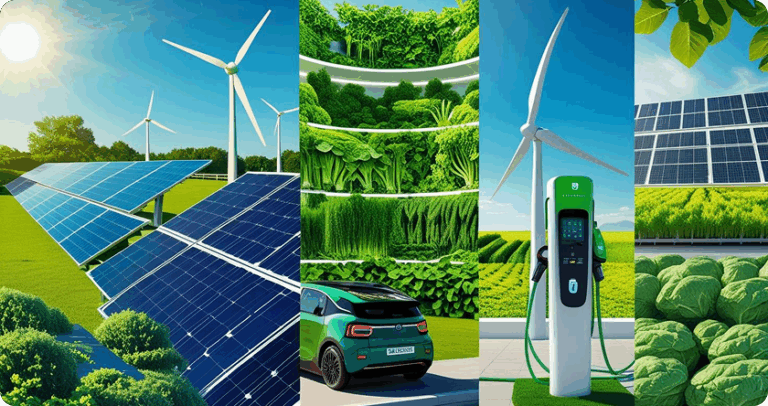
- Solar panels, eco-friendly insulation, and green roofing contribute to long-term sustainability and future-proof investment.
Prioritizing sustainable, energy-saving features in home design elevates comfort. It aligns your space with the values consumers care about most, making sustainability the defining interior design trend for 2025 and beyond.
Biophilic Design & Connection to Nature
Sparking renewed enthusiasm in interior design for 2025, biophilic design goes beyond aesthetics—it’s about feeling genuinely connected to the natural world from the comfort of your own home. Spaces infused with natural textures, lush greenery, and ample daylight inspire tranquility and a sense of renewal, perfectly aligning with the surge in demand for interiors that foster well-being and creativity. Infusing everyday living with the elements of nature doesn’t just transform a space’s appearance; it profoundly shapes how people feel, work, and thrive, establishing biophilic design as a core direction in top interior design trends for the year.
Reimagining Interiors: Bringing Nature In with Plants, Light & Raw Materials
The heart of biophilic interior design lies in seamlessly weaving outdoor elements into daily environments. Modern homes now burst with vitality through the extensive use of houseplants, living green walls, and indoor gardens, adding life, movement, and cleaner air. By maximizing natural light with floor-to-ceiling windows, skylights, and airy layouts, designers uplift the mood and visually expand any room.
Incorporating raw materials—from reclaimed wood and stone to rattan and natural fibers—delivers earthy warmth and calms the senses. Thoughtful palette choices channel nature’s serenity with green, brown, and earth-inspired shades, while elements like water features and natural ventilation foster a grounding, multisensory experience. This immersive approach not only feels inviting but also elevates the home into a rejuvenating personal retreat.
- Highlight architectural features with natural daylight by using glass, sheer curtains, and open layouts.
- Choose sustainable materials and organic textures for a tactile, grounded style.
- Integrate plants in creative ways—such as herb gardens, vertical greens, or lush corners—for both aesthetic appeal and improved air quality.
- Let earthy color schemes and nature-inspired details shape a soothing, connected ambiance.
Wellness & Mood: The Benefits of Living Close to Nature
Science and experience agree that homes incorporating biophilic design foster wellness on multiple levels. Access to greenery, sunlight, and natural materials consistently lowers stress and boosts overall mood. Psychologically, even a glimpse of green or a sunbeam across the floor is known to calm the mind, reduce anxiety, and promote faster recovery from fatigue or illness.
Engaging with these natural elements also sharpens focus, heightens creativity, and encourages emotional balance, making well-designed interiors feel more restorative and enriching than ever before. Many report a more profound sense of comfort and a greater feeling of belonging in biophilic environments, making this trend not just an aesthetic must-have but a genuine lifestyle enhancement going forward.
- Research has linked biophilic settings to reduced cortisol levels, promoting calmness and clarity.
- Sunlit, green-infused interiors support natural circadian rhythms and healthy sleep cycles.
- Incorporating plants, wood, and water features into daily surroundings can measurably enhance wellness, cognitive function, and even productivity.
In 2025, biophilic design is more than a “good look”—it’s a proven way to create homes that nurture, inspire, and connect us to what matters most. The embrace of nature within four walls defines a new era of healthy, harmonious living.
Curves, Soft Edges, and Organic Shapes
The momentum behind curves, soft edges, and organic shapes signals a dramatic shift in home interior design—one that moves away from rigid lines and ushers in a wave of comfort, playfulness, and signature style. These welcoming forms deliver more than visual appeal; they create a sense of movement, serenity, and instant relaxation. As demand grows for interiors that feel nurturing yet elevated, the artful blend of round, fluid elements continues to top trending home decor searches, keeping spaces friendly, Instagram-ready, and effortlessly contemporary.
Rounded Furniture, Arched Doorways, and Flowing Layouts
Soft geometry transforms interiors into comfortable sanctuaries. The rise of round furniture—from plush, curved sofas to smooth-edged coffee tables—evokes a sense of warmth, turning everyday living into a tactile and inviting experience. Arched doorways and passageways invite subtle grandeur, breaking up hard angles and gently guiding energy throughout the home.
Open layouts with undulating lines, wave-like partitions, and organically shaped rugs all contribute to an environment that feels inspiring yet unforced. Incorporating curved lines into architecture, lighting, or accent pieces delivers a signature touch, instantly modernizing and humanizing a space.
- Choose curved sofas and accent chairs for a cozy, on-trend living room.
- Incorporate statement arches and circular mirrors for dimension and movement.
- Opt for sculptural décor and irregular, wave-inspired layouts to boost flow and interest.
How Soft Forms Add Comfort and Visual Interest
Gentle contours are more than a nod to aesthetics—they actively enhance comfort and emotional well-being. Rounded forms soften visual transitions and help spaces feel harmonious, easing the mind and supporting relaxation. When paired with soothing materials like velvet, wood, or stone, these shapes invite touch, interaction, and a sense of safety—qualities that today’s homeowners value highly.
Soft silhouettes also amplify visual interest by creating depth and focal points without overwhelming a room. The right combination of curves can transform any interior into an energetic and welcoming retreat, all while staying ahead of both style and interior design trends for 2025.
- Layer organic-shaped decor for a luxe, personalized finish.
- Use soft edges in major furniture or statement lighting for warmth and sophistication.
- Create a balanced contrast by mixing circular, angular, and asymmetrical pieces for maximum impact.
The embrace of curves, soft edges, and organic shapes continues to define next-level home style, making every space feel fresh, engaging, and deeply comforting.
Rich, Earthy, and Warm Color Palettes
A bold wave in interior design trends 2025 is redefining the mood of every home—rich, earthy, and warm color palettes are taking center stage. These hues ground interiors, create intrigue, and offer instant comfort, sparking a sense of luxury and a sense of belonging. Gone are the days when sterile neutrals ruled unchallenged; now, a lush spectrum invites warmth, sophistication, and personality into every corner. Homes feel more welcoming, curated, and expressive as these shades become the new hallmark of modern living room color schemes and trending home decor.
The natural world inspires this year’s signature colors and offers endless creative pairings. The depth of burgundy adds opulence and drama, while ochre radiates energy and optimism. Moss green brings serene balance, connecting interiors to lush landscapes, and navy delivers timeless elegance that anchors any palette. These hues combine effortlessly with tactile materials—think velvet, leather, and rustic woods—allowing spaces to feel layered, artful, and undeniably current.
- Burgundy: Sophisticated, powerful, and perfect for accent walls or statement furnishings.
- Ochre: Uplifting and warm, it’s a top pick for cozy kitchens and inviting living areas.
- Moss green: Calms the spirit and bridges indoors with outdoor beauty.
- Navy: Deep and classic, offering depth without overpowering.
Blending these trending colors adds dimension to every room, making decor feel fresh while standing out in the best color palettes for homes in 2025.
Moving Beyond Neutrals for Cozy Sophistication
Layering colors is no longer just about subtlety; it’s about creating harmony that feels both intimate and elevated. By moving beyond lifeless beige and gray, homeowners can achieve a look that’s grounded yet distinctly modern. Soft terracottas, deep plums, and caramel shades round out the palette, delivering warmth without heaviness.
- Pair deep hues with lighter neutrals for contrast and balance.
- Use earth tones on large surfaces and anchor them with textured, tactile accessories.
- Layer rich color schemes with organic materials, artisan rugs, or bold statement art.
These warm, earthy palettes don’t just update a space: they transform the energy, offering an unmistakable sense of comfort, creativity, and confidence for every room in 2025.
Maximalism & Bold Statement Pieces
Breaking free from restraint, maximalism is making a dynamic comeback in interior design for 2025—a welcome contrast to years of clean minimalism and subdued palettes. This movement celebrates the story, energy, and individuality of a space by layering visuals, creating depth, and encouraging self-expression with abandon. The mantra: more is more—as long as it feels curated, intentional, and deeply personal.
A Shift Back to Expressive, Layered Interiors
Homeowners and designers are rediscovering the power of layered interiors that echo personality and invite visual intrigue. Instead of worrying about what “matches,” the focus is on what resonates and sparks curiosity. This approach combines bold color schemes, mixed patterns, and an eclectic blend of styles, creating a look that feels both lived-in and elevated.
- Gallery walls filled with diverse art, photos, and found objects turn blank spaces into storytelling focal points.
- Rich textiles—from velvet and embroidered throws to patterned rugs—add both comfort and playful drama.
- Statement lighting, sculptural furniture, and layered window treatments foster an immersive and inviting atmosphere.
Whether it’s a collection of global artifacts or family heirlooms, these layers make every room a true reflection of its inhabitants.
Incorporating Statement Décor and Vibrant Accents
Nothing embodies modern maximalism like the fearless use of statement pieces and vibrant accents. These elements don’t just draw the eye—they anchor a space and set its tone.
- Oversized mirrors and art pieces introduce grandeur, making even modest rooms feel important.
- Vivid accent walls in jewel tones—think sapphire blue, emerald green, or citrus orange—inspire instant energy and conversation.
- Bold, patterned wallpaper brings dynamic movement, while unique sculptures or oversized vases double as conversation starters.
- Layered accessories, from tassel cushions to playful ceramics, offer fun and flexibility for frequent refreshes.
The secret is to curate, not clutter—choose each standout object for its ability to spark joy, admiration, and storytelling. This approach not only elevates visual interest but imbues the home with a sense of confidence and playfulness, proving that maximalism is less about excess and more about meaningful abundance.
Textures, Layering, and Mixed Materials
Depth and tactile interest are rewriting the rules of interior design trends 2025. The focus now is on spaces that engage the senses, with upscale drama created by a thoughtful mix of materials—think textured walls, cozy textiles, and natural accents all seamlessly layered for a sophisticated, enduring effect. The result: interiors that feel welcoming, multidimensional, and uniquely personal.
Mixing Metals, Natural Stone, Woods, and Textiles
This year is all about masterfully blending mixed materials to bring character and richness to every corner. Contrasting metals are making headlines—brushed bronze, matte black, and even the comeback of warm copper, balanced for harmony rather than uniformity. In kitchens and bathrooms, fixtures and hardware combine finishes for a curated, high-end look.
Natural stone accents—like marble, granite, and slate—add a sense of timeless elegance, elevating everything from countertops to statement walls. Warm wood tones such as walnut and oak provide inviting contrasts to the coolness of stone and metal, ensuring spaces aren’t just beautiful, but also grounded and intuitive to inhabit. Plush textiles—rugs, cushions, throws—introduce softness, making these combinations feel intentional and lived-in.
- Mixed metals in lighting, fixtures, and decor emphasize a collected, curated vibe.
- Stone surfaces set a luxurious tone, whether used sparingly or as focal points.
- Layered woods and textiles create a feeling of warmth, versatility, and everyday elegance.
The Tactile Trend: Rugs, Textured Surfaces, and Accent Walls
Textural layering is defining the tactile interiors of 2025. From 3D wall treatments to handwoven rugs, the tactile trend delivers spaces that invite touch—and connection. This year celebrates tactile wallpapers, raised panels, and woven surfaces that catch the light and add depth, plus natural fiber rugs that anchor rooms in comfort.
- Textured walls and ceilings using 3D panels, plaster, or stone cladding for visual intrigue.
- Luxurious rugs and heavy drapes increase coziness while adding rich, touchable layers.
- Accent walls or decorative nooks become works of art, drawing the eye and inviting interaction with the space.
Technology & Wellness Integration
Smart living is now seamlessly integrated into interiors, adding layers of wellness, convenience, and comfort. The latest homes subtly incorporate technology—think voice-controlled lighting, temperature, and entertainment—into walls, furniture, or even glass for a clean, modern aesthetic. Meanwhile, dedicated wellness spaces, soft lighting, and biophilic design support relaxation and holistic health at home.
- Discreet, embedded tech solutions provide every room with advanced functionality, causing minimal visual disruption.
- Wellness spaces: cozy nooks, calming lighting, and indoor greenery boost well-being while staying on trend.
- Innovations such as smart glass, energy-efficient systems, and adaptive environments elevate luxury and liveability to new heights.
Blending textures, layered materials, and intelligent integration is the secret to unforgettable interiors in 2025. This balanced approach ensures rooms feel both high-end and deeply nurturing, with expressive details you can see—and feel—at every turn.
Technology & Wellness Integration
In 2025, the seamless integration of technology within interior design is not just about convenience—it’s about profoundly enhancing wellness and quality of life at home. Smart homes are evolving into personalized ecosystems that proactively support health, mood, and daily routines. This next wave of innovation focuses on creating intuitively responsive environments, making homes safer, greener, and ultimately, more supportive sanctuaries.
Smart Home Features that Boost Well-Being
The future of smart living is personal, with AI-driven systems learning individual behaviors and preferences to optimize living spaces. These features go beyond basic automation, becoming integral to daily health management.
- AI-driven smart beds analyze sleep quality, adjusting firmness and temperature in real-time to optimize rest. They track sleep patterns, movement, and body temperature to ensure better sleep.
- Smart mirrors can scan vital signs, while nano-sensor flooring monitors posture and activity, syncing data with virtual health assistants to provide personalized recommendations.
- Fitness mirrors offer personalized workout recommendations, bringing the gym experience directly into the home.
- Health-centric smart devices integrate with broader health platforms, offering a holistic view of personal well-being and encouraging healthier lifestyle choices.
Ambient Lighting, Air Quality, and Relaxation Zones
Smart homes in 2025 are designed to curate sensory experiences that promote relaxation and overall well-being. Subtle adjustments in lighting and vigilant monitoring of air quality play a crucial role in creating serene and healthy living environments.
- Circadian lighting systems mimic natural daylight cycles, adjusting brightness and warmth to align with sunrise and sunset, which helps regulate sleep and boost mood. In the morning, they provide bright, cool light to energize, shifting to warmer, dimmer tones in the evening to encourage relaxation and melatonin production.
- Smart air purifiers automatically detect and remove pollutants, improving indoor air quality. They monitor air quality, humidity levels, and water purity to ensure a healthier home environment. Some homes even feature air-purifying walls.
- Soundscapes designed to promote relaxation and aromatherapy systems, diffusing calming scents, are becoming integral parts of the smart home experience, creating sanctuary-like environments.
- UV-C sanitizing lights also contribute to a healthy living space.
These advancements in home automation are transforming homes into intelligent, connected spaces that prioritize the comfort, health, and overall well-being of their inhabitants.
Tips for Adopting 2025 Trends in Your Home
To adopt the top 2025 home trends while keeping your space refreshed and budget-friendly, here are expert tips and easy updates you can make:
1. Refresh Walls with Paint or Wallpaper
Apply a fresh coat of paint using trendy earthy tones like sage green, terracotta, or deep blues to bring warmth and sophistication.
Alternatively, use textured, rustic, or peel-and-stick wallpapers to add visual interest and achieve an affordable makeover.
2. Upgrade Lighting Fixtures
- Replace outdated lighting with statement pieces that feature sculptural forms, metallic finishes, or sustainable materials, such as bamboo or recycled glass.
- Consider installing dimmer switches for versatile control of ambiance.
3. Incorporate Smart Home Features
- Add budget-friendly smart devices, such as plugs, thermostats, doorbells, and security cameras, to enhance convenience and modernize your home without a significant investment.
4. Reimagine Furniture and Layout
- Refresh furniture by painting wooden pieces, swapping hardware, reupholstering with trendy fabrics, or using slipcovers.
- Rearrange furniture or relocate key elements, such as the TV, to give rooms a refreshed look with no added cost.
5. Add Indoor Plants and Create Cozy Outdoor Spaces
- Utilize houseplants or vertical gardens to enhance aesthetics and improve air quality.
- For outdoors, add string lights, outdoor rugs, and cushions or repurpose old furniture like wooden pallets for rustic seating.
6. Maximize Storage and Organization
- Utilize wall-mounted shelves, floating modular storage, pegboards, or stylish baskets to declutter and maintain tidy spaces while enhancing your style.
7. Small Kitchen and Bathroom Updates
- Replace cabinet handles, add adhesive vinyl flooring, or stylish backsplashes in the kitchen.
- Update taps, showerheads, and bathroom accessories to refresh the look affordably.
8. Budget-Friendly Decorating Tips
- Swap curtains and rugs with trendy colors or patterns.
- DIY decor projects and creative storage solutions add personal and unique touches without overspending.
9. Easy and Impactful Features
- Add trim work on walls for a sophisticated touch at a reasonable cost.
- Utilize creative wall painting techniques that incorporate contrasting colors or Indian patterns blended with contemporary styles to create vibrant and visually appealing interiors.
By focusing on these affordable yet impactful updates, you can effortlessly incorporate the 2025 home trends, enhancing style, functionality, and comfort without incurring significant expenses.
Conclusion
The interior design landscape in 2025 champions warmth, sustainability, and personal expression, shifting away from cold, minimalist spaces toward inviting, layered environments. By incorporating eco-friendly materials, biophilic elements, rich textures, and innovative technology, homeowners can create interiors that foster well-being and showcase their individuality. Adopting these trends is achievable through simple, budget-friendly updates that refresh your space while aligning with future-forward design values, ensuring your home stays stylish, comfortable, and distinctly yours.
FAQs
How can I make my home more energy-efficient on a budget?
What are some easy ways to incorporate biophilic design into my home?
What are the best sustainable materials for home decor?
How do I make my home feel warmer without a complete remodel?
What are the latest trends in affordable smart home devices?