













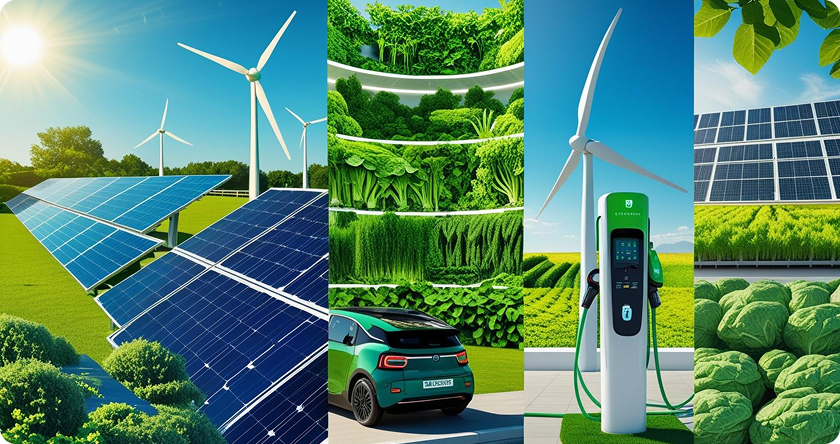

A sweeping transformation is unfolding as green technology takes center stage, challenging the status quo and redefining how we power our world. Eco-conscious choices, once considered a luxury, are becoming a necessity as communities and industries rally to combat environmental threats. The push for sustainable innovation and solutions that genuinely benefit the planet isn’t just a trend—it’s the new benchmark for progress.
Today’s conversation around clean energy, sustainable development, and climate solutions is more urgent than ever. With each passing day, the consequences of unchecked pollution and climate change feel closer to home. Individuals and businesses alike are seeking genuine ways to reduce their carbon footprint, minimize waste, and invest in a healthier future.
Green technology breakthroughs are emerging that not only cut emissions but also drive economic growth, improve lives, and create new opportunities. From game-changing renewable energy projects to advancements in energy-efficient technologies, the journey towards a greener world is being shaped by innovative, scalable solutions.
The faith in green innovation is not just about hope—it’s about action. Every slight shift towards sustainable technology has a ripple effect, setting standards for others to follow. The world is watching for leaders who demonstrate that adopting environmental tech solutions leads to better outcomes—financially, environmentally, and socially.
With each decision made today, there’s less time to hesitate. The urgency to adopt these solutions and champion environmental stewardship has never been greater. Will you be part of the movement that champions progress, or watch from the sidelines as the world moves forward? The real question is: how will you help shape this greener, brighter future?
How Green Technology Is Driving Energy Efficiency and Climate Action
When every kilowatt counts and the planet is running out of patience, green technology steps in—not as a buzzword, but as a decisive force for change. From slashing power bills to shrinking carbon footprints, it’s not just changing the how—it’s changing the impact.
Let’s get real: energy efficiency isn’t just about LED lights or smart thermostats anymore. It’s about integrated systems—solar panels, smart grids, and AI-powered automation—that make buildings, cities, and entire industries run smarter. The result? Lower emissions, lower costs, and measurable climate wins.
This isn’t theory—it’s action. Across the USA and beyond, companies are using renewable energy technologies to cut dependency on fossil fuels while governments back climate tech that drives scalable results. Whether it’s green buildings optimizing energy usage or electric vehicles reducing urban air pollution, these aren’t isolated upgrades—they’re coordinated strategies shaping a cleaner future.
And the momentum is building. Thanks to advancements in clean technology, businesses now have access to tools that meet both sustainability goals and profitability targets. No fluff, just real-world outcomes driven by smart energy management systems, low-emission manufacturing, and carbon-neutral infrastructure.
People ask: How is green technology helping the environment? The better question is—how fast can we scale it?
Because every watt saved, every emission reduced, and every dollar reinvested into sustainable innovation brings us one step closer to climate resilience. Green tech isn’t just helping us “go green”—it’s making green the standard.
Where Green Tech Delivers Big Wins for the Planet and People
The global climate conversation is no longer about awareness—it’s about action. And this is where green technology proves its value, delivering tangible results that benefit both the environment and everyday lives. Whether it’s cleaner air, lower energy bills, or sustainable food production, green tech solutions are quietly transforming how we live, work, and thrive. Let’s break down the high-impact areas where the shift is not only happening, but winning.
Renewable Energy – Powering Progress Without Pollution
The demand for clean, reliable power is at an all-time high, and renewable energy technologies are rising to meet it. From solar panels lighting up remote villages to wind farms fueling entire cities, this is how green tech replaces fossil fuels with zero-emission alternatives.
What’s powerful? It’s not just cleaner power—it’s energy independence, lower electricity costs, and the creation of green jobs. People ask: How does renewable energy help the environment? The answer is right above us, and it’s harnessed every time the sun rises or the wind blows.
Green Construction – Building Smarter, Not Just Bigger
Outdated buildings are energy hogs. But with green building technology, architecture now serves both form and function. Whether it’s net-zero buildings, recycled materials, or innovative HVAC systems, green construction isn’t a trend—it’s a shift in how we define progress.
For developers and cities alike, the benefits are clear: lower long-term costs, healthier indoor air, and increased property value. This is where sustainable construction becomes a strategic advantage, not just a checkbox.
Sustainable Transportation – Moving People, Not Pollution
Traffic and tailpipes once meant progress. Today, they’re being replaced by electric vehicles (EVs), clean public transit, and green mobility innovations that prioritize the planet. Zero-emission vehicles are rewriting the future of travel—without the fumes, the noise, or the guilt.
And it’s not just about Teslas. It’s about EV charging networks, intelligent traffic systems, and even electric bikes—all working together to create clean transportation systems that move people brighter, cleaner, and faster.
Smart Agriculture – Feeding the World, Sustainably
Feeding more people with fewer resources used to be a paradox. Now it’s a blueprint—thanks to green technology in agriculture. From AI-powered irrigation to drone seeding and vertical farming, sustainability is the new standard.
For farmers, the impact is direct: improved crop yields, reduced waste, and lower water usage. For consumers, it means access to sustainably grown food that does not harm the planet. This is how green tech turns the field into the future.
Waste Management – Turning Trash Into a Resource
What once went to landfills is now being transformed into energy, raw material, or even new products. Green waste management technology—like waste-to-energy plants, automated sorting, and biodegradable packaging—makes it possible.
The shift? Waste becomes a resource. Businesses lower disposal costs, cities reduce landfill overflow, and consumers contribute to a circular economy. It’s not just about recycling anymore. It’s about redesigning the entire system.
Success Stories from the Frontlines of Green Innovation
Every breakthrough in green innovation sets off a ripple effect that makes a powerful difference for communities and the planet. Businesses and entrepreneurs are demonstrating that sustainable transformation isn’t just about compliance—it’s about leading the industry, reshaping lives, and making the world better for generations to come. The following success stories demonstrate how strategic vision, perseverance, and the right technology can deliver measurable results and inspire genuine transformation.
Across the United States, GreenTechnologies, LLC stands tall as a pioneer in the quest for sustainable waste solutions and eco-friendly fertilizers. Tackling the pressing challenge of water pollution and fertilizer runoff, this Gainesville, Florida-based company took action by reimagining how the nation deals with wastewater and nutrient recovery. Armed with SBIR funding and a mission to disrupt the status quo, GreenTechnologies developed their signature GreenEdge fertilizers by recovering vital nutrients from treated wastewater, transforming a former liability into a market-leading, slow-release organic product.
This breakthrough isn’t just reducing phosphorus pollution in waterways; it’s slashing landfill waste, saving local governments money, and giving a boost to the U.S. economy by creating green jobs and cutting the environmental impact of landscaping on more than 100 golf courses across Florida alone. Dive deeper into how GreenTechnologies is revolutionizing resource management with their Green Technologies, LLC success story.
Moving from the U.S. to the global stage, another trailblazer—Ørsted—is rewriting the future of renewable energy. Once a traditional fossil fuel company, Ørsted made the courageous pivot to become one of the world’s most influential champions of clean power. Their vision fueled investments in offshore wind, solar, and biomass, building entire ecosystems where communities thrive on green energy while protecting precious biodiversity. Their offshore wind farms not only cut global carbon emissions but also set the gold standard for large-scale renewable energy integration. By focusing on accessible solutions, ecosystem protection, and next-generation energy infrastructure, Ørsted demonstrates that success and sustainability are mutually reinforcing. Learn about their uncompromising commitment to a world powered by green energy through the Ørsted green innovation case study.
Both of these stories highlight a simple but powerful truth—pioneering green innovation leads to stronger businesses, thriving communities, and a more resilient planet. As the data and results show, steering a course toward sustainable growth isn’t just better for the environment—it’s better for everyone.
How Green Tech Supports Climate Goals & Net Zero Targets
Whether you’re leading an enterprise or championing sustainable communities, the momentum behind green tech holds game-changing promise for achieving climate goals and accelerating the path to net-zero targets. Organizations are tapping into technologies that not only comply with regulations but also set new industry standards, leveraging every advantage to drive change, cut costs, and lead with purpose.
Here’s how green technology delivers measurable impact:
- Automated carbon accounting enables brands to track and verify their climate footprint accurately, breaking down Scope 1, 2, and 3 emissions with enhanced precision. This allows decision-makers to act with clarity and confidence.
- IoT sensors and AI-powered platforms enable real-time monitoring of energy use, waste generation, and emissions, identifying inefficiencies instantly and powering more innovative responses across operations.
- Blockchain-enabled supply chain transparency reveals carbon-intensive pain points, enabling companies to take bold, targeted actions aligned with science-based targets.
- Smart grid solutions optimize the integration of renewable energy, balancing generation, storage, and consumption in real-time, which is essential for cities, factories, and energy-hungry infrastructure.
- Machine learning-driven energy efficiency systems lower power costs by up to 30% while shrinking the organization’s overall emissions footprint.
- Circular economy platforms transform waste into value, extending product lifecycles, reusing materials, and reducing dependence on finite raw resources—essential for net-zero supply chains.
By embedding these green innovations into their operations, companies aren’t just ticking boxes—they’re building enduring climate leadership. It’s a sharper, smarter, more scalable route to net zero that aligns profit with purpose in ways that truly move the needle.
Challenges Slowing Down Green Tech Adoption
The drive to adopt green technology is gaining momentum, but many organizations still struggle to balance ambition with execution. The path to a more sustainable future is seldom smooth, as considerable hurdles loom, dampening enthusiasm and delaying critical progress. These challenges create a familiar tension for leaders who want to act decisively yet face uncertainty and resistance on multiple fronts.
Here are the key challenges slowing down green tech adoption:
- High upfront investment costs create a barrier for many businesses and households, overshadowing the promise of long-term savings and environmental benefits.
- Inadequate infrastructure development, such as insufficient charging networks for electric vehicles or outdated energy grids, limits the seamless integration of green technologies.
- Knowledge gaps and a lack of technical expertise hinder confident decision-making and prevent effective deployment of sustainable solutions.
- Unpredictable or inconsistent government policies and incentives breed caution, making stakeholders hesitant to commit to new technologies without clear regulatory support.
- Disrupted supply chains and limited access to critical green components lead to delays and cost overruns, thereby complicating project timelines.
- Internal resistance to organizational change, driven by concerns over operational disruption or unfamiliarity, slows down adoption despite clear benefits.
Recognizing these obstacles empowers leaders to tailor strategies that dismantle barriers with creativity and persistence, turning challenges into opportunities to pioneer the green transformation with confidence and purpose.
How Individuals & Businesses Can Embrace Green
Sustainability isn’t just for governments or global corporations—it’s a call to action for everyone. From everyday homeowners to agile startups and legacy enterprises, the shift toward green technology is becoming not only necessary but also practical and profitable.
The problem? Many still believe that embracing sustainability is costly, inconvenient, or overly complex. That hesitation holds back progress and potential. But here’s the truth: with rising access to renewable energy, eco-friendly products, and carbon-reduction technologies, it’s easier than ever to start—and scale—green practices.
For individuals, the transformation can begin with something as simple as switching to energy-efficient appliances, reducing single-use plastic, or installing solar panels where possible. These small, conscious decisions help lower household emissions while influencing broader market demand for sustainable alternatives.
Businesses, on the other hand, are in a powerful position to lead by example. Adopting green supply chains, using sustainable packaging, reducing waste, and integrating clean energy solutions not only helps the planet—it also builds consumer trust. And that’s not theory—eco-conscious customers are actively choosing brands that reflect their values.
Many businesses still wonder how they can become more environmentally friendly without compromising performance or profit. The key lies in measurable, strategic action—not marketing fluff. By embedding sustainability reporting tools, improving energy efficiency, and investing in low-carbon operations, companies create real impact and long-term credibility.
It’s no longer a question of if you should go green—it’s how fast you can get there. Whether you’re optimizing your home’s energy use or steering an organization toward net-zero, the time to embrace green technology is now—and the rewards extend far beyond compliance. This is how individuals and businesses alike move from intention to real, lasting influence.
Technology The Future of Green Technology: Trends to Watch
Green technology is evolving fast—and it’s not just about clean energy anymore. These breakthrough innovations are shaping a smarter, more sustainable world across industries.
- AI-Powered Environmental Tech Solutions: Artificial Intelligence is revolutionizing sustainable technology—from predicting energy usage to optimizing climate change mitigation strategies.
- Smart Grids and Energy Storage Innovations: Next-gen green energy technologies are enabling better energy efficiency, real-time usage tracking, and longer-lasting renewable power storage.
- Carbon Capture and Negative Emission Technologies: As global emissions targets tighten, carbon capture technologies and direct air capture systems are becoming essential tools in the fight against climate change.
- Circular Economy and Zero-Waste Tech: Eco-friendly technology is driving waste reduction through recycling innovations, biodegradable materials, and product lifecycle management platforms.
- Green Building Automation & Smart Infrastructure: Environmentally friendly building systems are being powered by IoT, smart sensors, and automated climate control, cutting down energy consumption dramatically.
- Hydrogen Fuel and Clean Transportation Technology: The rise of hydrogen-powered vehicles, electric trucks, and low-emission logistics platforms marks a major shift in the future of green transportation.
- AgriTech for Sustainable Food Production: Green agricultural technology, like precision farming, vertical farming, and soil-monitoring sensors, is making food production more resilient and resource-efficient.
- Decentralized Renewable Energy Systems: Community-driven microgrids, solar rooftops, and off-grid solutions are empowering remote regions with reliable and clean energy access.
- Green Finance Platforms & ESG Tech: Environmental fintech platforms are helping businesses track their carbon footprint, meet ESG goals, and access green investment opportunities.
- Eco-Friendly Consumer Electronics: Brands are now creating sustainable gadgets with energy-saving chips, recyclable materials, and longer life cycles to reduce e-waste and promote tech for the environment.
Conclusion
The path to a greener planet doesn’t hinge on one technology, one business, or one country—it’s a global, collective shift driven by innovation, responsibility, and purpose. From smart grids and renewable energy to sustainable agriculture and green finance, the future is being shaped by those who act.
Green technology is no longer an ideal—it’s a necessity. Every choice made to reduce emissions, conserve resources, and embrace cleaner alternatives adds to a ripple effect of positive change. For individuals, businesses, and governments alike, the message is clear: sustainability is not a side project—it’s the strategy.
Progress belongs to those who lead it. And green tech is the toolset of that leadership.
FAQs
What are the most cost-effective green technology solutions for small businesses?
How can individuals track their personal carbon footprint?
What industries are seeing the fastest growth in green technology adoption?
What are the long-term benefits of integrating green tech into business operations?
How do government policies and incentives support the adoption of green technologies?