












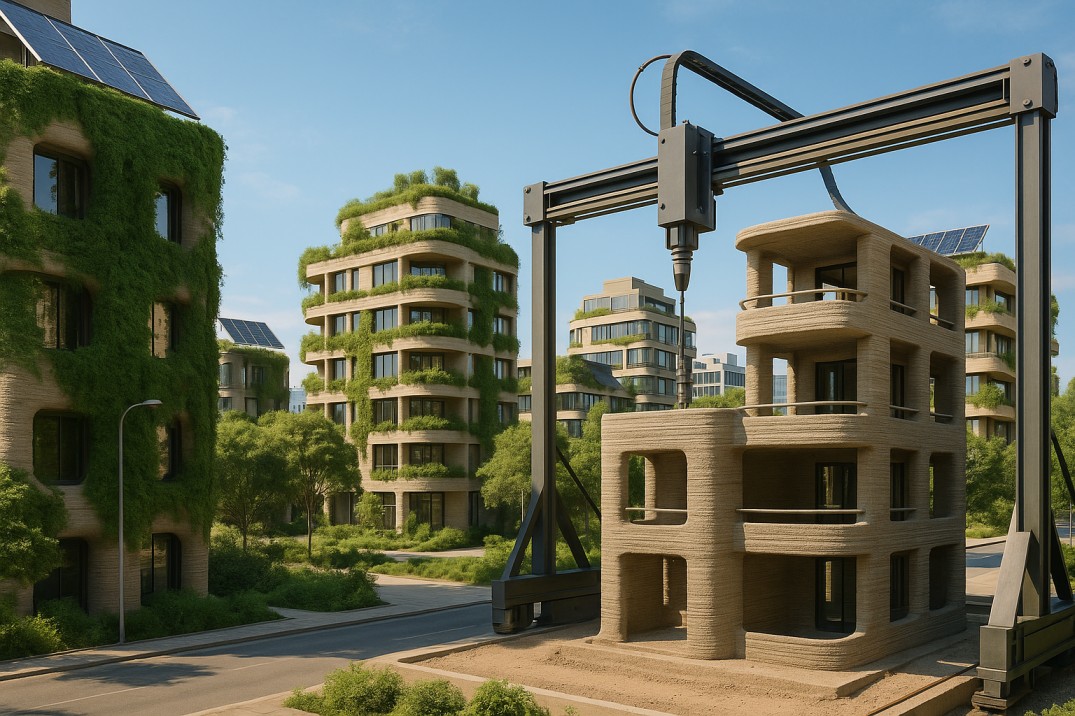

3D printing is no longer just a buzzword—it’s reshaping how we think about architecture and construction. This technology is empowering architects and builders to create customized, scalable solutions that were once considered impossible. With additive manufacturing, professionals can design intricate, precise details and produce entire structural components with ease, leading to faster, more efficient construction processes.
Why does this matter? 3D printing gives you the power to streamline design and production, drastically cutting down on construction time, reducing waste, and lowering costs. The ability to control every step of the process means greater precision and innovation in design. Plus, it allows for the use of sustainable materials, helping to meet both environmental and financial goals.
This isn’t just about futuristic ideas—it’s happening now. Architects who embrace this shift can create more intelligent, more sustainable buildings that stand out in an ever-competitive market. 3D printing is changing the landscape of construction and design, and it’s time to understand how it can transform your next project.
In the next section, we’ll dive deeper into the real-world applications of 3D printing in architecture and why it’s not just a trend but a crucial part of the industry’s evolution.
How 3D Printing is Revolutionizing Architecture
3D printing is no longer a distant concept—it’s already transforming the architectural landscape. This groundbreaking technology allows architects and designers to create buildings with precision, speed, and sustainability. The power of 3D printing in architecture lies in its ability to produce intricate, customized designs that traditional methods simply can’t achieve. From small-scale models to entire 3D printed structures, the possibilities are endless.
Here’s how it’s being used right now:
- Laney LA, Los Angeles: Utilizes 3D printing to create detailed architectural models overnight, enhancing client presentations and speeding up design iterations by “freezing” key moments in the project process. This integration improves communication and marketing capabilities. Read the full case study here.
- Renzo Piano Building Workshop (RPBW): Uses 3D printing for intricate parts like curved surfaces and joints in architectural models, allowing rapid production of multiple design iterations. This accelerates their workflow while maintaining precision. Detailed example available here.
- Project Milestone, Netherlands: Recognized as the first commercial 3D-printed housing project, with five 3D-printed concrete dwellings constructed to high energy-efficiency standards. The homes feature thick insulation and innovative form designs. More about this project is found here.
- WASP’s Tecla, Italy: An eco-friendly, bioclimatic house made from locally sourced clay using 3D printing. The structure emphasizes sustainability and a low carbon footprint while showcasing artisanal design fused with advanced technology. Learn more here.
- Municipal Building in Dubai: Constructed on-site using 3D concrete printing technology, this two-level municipal building demonstrates the application of 3D printing for durable, rapidly built urban infrastructure using local concrete materials. Details available here.
These examples reveal the practical impact of 3D printing in architecture—speeding construction, enabling customization, improving sustainability, and innovating design in ways previously unimaginable. Each project pushes boundaries and sets new standards for what architecture can achieve.
Key Benefits of 3D Printing in Architectural Design
3D printing is more than just a technological advancement in architecture—it’s a game-changer in construction. With this innovative method, architects are discovering new ways to save costs, speed up construction, and boost creativity. Whether you’re designing a single-family home or a multi-story building, 3D printing in construction provides unparalleled flexibility and efficiency, allowing you to bring ideas to life with precision.
Here are some of the key benefits:
- Cost Reduction: 3D printing minimizes waste and lowers material costs, making it an affordable alternative to traditional construction methods.
- Faster Construction: 3D printed buildings can be constructed much faster, reducing labor time and speeding up project timelines.
- Increased Creativity: Architects can now explore complex, organic designs that were previously difficult or impossible to achieve with traditional methods.
- Material Efficiency: With 3D printing, only the necessary amount of material is used, which not only cuts costs but also reduces environmental impact.
- Customization: 3D printing allows for highly customized designs that fit the specific needs and aesthetic preferences of clients, without the constraints of traditional building methods.
- Sustainability: The ability to use eco-friendly materials in 3D printing, along with reduced waste, makes it a sustainable choice for modern architecture.
With these benefits, it’s no wonder that 3D printing is quickly becoming a cornerstone of the architecture and construction industries. Through innovative fabrication, this technology is enabling faster, more efficient building processes, while driving innovation in design. Next, we’ll explore how this technology is fostering sustainability and environmental responsibility in the building process.
The Environmental Impact of 3D Printed Buildings
Sustainability is no longer just a buzzword—it’s a requirement for the modern construction industry. As the world becomes increasingly aware of the environmental challenges we face, 3D printing is emerging as a powerful tool to build more eco-friendly, efficient, and sustainable structures. The technology not only addresses the environmental impact of construction but also helps meet the growing demand for green buildings. Here’s how 3D printing in construction supports sustainability:
Reducing Material Waste in Construction
Traditional construction methods are often wasteful, with excess materials and offcuts piling up in landfills. 3D printing eliminates this by using only the exact amount of material needed for each structure, drastically reducing waste. With this material efficiency, the environmental impact is significantly lessened, paving the way for more sustainable construction practices.
Eco-Friendly Building Materials
One of the significant benefits of 3D printing in architecture is its ability to use sustainable materials like recycled concrete and biodegradable plastics. These materials not only reduce the carbon footprint of buildings but also support a circular economy, where materials are reused and repurposed rather than discarded.
Energy Efficiency and Faster Build Times
3D printing is not only more resource-efficient but also more energy-efficient. With shorter construction timelines, projects require less energy to complete, and the resulting buildings are often more energy-efficient due to better insulation and design. The combination of reduced energy use during construction and enhanced building performance makes 3D printed buildings a sustainable choice for the future.
Minimal Carbon Footprint in Construction
By reducing the need for transportation of materials and the extensive machinery involved in traditional building projects, 3D printing significantly lowers the carbon footprint of construction. These buildings also tend to have a lower lifetime environmental impact due to the durable, energy-efficient designs made possible by 3D printing technology.
Promoting Sustainable Urban Growth
As cities continue to grow, the pressure on infrastructure and resources increases. 3D printed buildings can be constructed using locally sourced materials, reducing the need for long-distance transportation. This leads to greener urbanization and supports sustainable urban growth, all while maintaining architectural creativity and innovation.
The environmental benefits of 3D printing in construction are clear, and the best part is that we’re only scratching the surface. In the next section, we’ll dive into how 3D printing is helping architects push the boundaries of design, proving that sustainability and creativity can go hand in hand.
What Are the Key Materials Used in 3D Printing Architecture?
3D printing in architecture opens up an entirely new world of possibilities when it comes to materials. It’s not just about printing a structure—it’s about using materials that are innovative, sustainable, and tailored to specific needs. The materials used in 3D printing are what make this technology truly transformative, allowing for unique designs that were previously impossible to achieve with traditional construction methods. Let’s dive into some of the key materials that are changing the landscape of architecture.
Concrete: The Backbone of 3D Printed Buildings
One of the most widely used materials in 3D printed architecture is concrete. 3D printing concrete is a versatile and durable material that can be tailored to specific structures, ensuring optimal strength and flexibility. This material is gaining popularity due to its sustainability and ability to create complex geometric shapes that would be difficult with traditional construction methods. Architects and builders are using 3D printed concrete for everything from building facades to entire structural components, making it the go-to choice for large-scale projects.
Recycled Materials: Building a Circular Economy
As sustainability becomes a primary concern in construction, recycled materials are taking center stage. 3D printing with recycled plastic or recycled concrete helps reduce waste while creating environmentally friendly structures. Recycled materials offer a circular solution in construction, where old materials are repurposed into new, functional designs, reducing the overall carbon footprint of the building process.
Biodegradable Plastics: Green Alternatives for Design Flexibility
For smaller architectural components or interior design elements, biodegradable plastics are an excellent choice. These materials, often derived from corn starch or plant fibers, offer design flexibility and can be easily molded into unique shapes. Not only are they sustainable, but they also allow designers to explore innovative aesthetics while still keeping the environment in mind.
Metal: Strong and Durable for Structural Integrity
While concrete is used in building structures, metal is being increasingly utilized in 3D printing for parts that require extra strength and durability. Metal 3D printing is commonly used for elements like reinforced columns, beams, and structural supports. Materials such as titanium, stainless steel, and aluminum are commonly used in 3D printed architecture, offering a perfect balance between strength, lightweight properties, and flexibility.
Clay: Traditional Meets Modern
In some parts of the world, 3D printing with clay is gaining traction as an alternative to concrete. Clay is a natural, eco-friendly material that’s being rediscovered for use in modern architecture. It’s perfect for smaller buildings or even custom design elements. With the ability to print with natural clay, 3D printing can provide buildings that blend with the environment, offering a sustainable and culturally relevant approach to architecture.
The materials used in 3D printing are as varied as the projects themselves. With an innovative mix of concrete, recycled components, and eco-friendly materials, architecture is heading toward a future that is more sustainable and more customizable than ever. As we move forward, 3D printing will continue to break barriers in design, and we’ll see even more advanced materials shaping the architecture of tomorrow. Next, let’s explore the incredible creative freedom that 3D printing offers and how it’s helping architects think outside the box.
How 3D Printing Enhances Design Flexibility and Innovation
When it comes to designing the future, 3D printing is the ultimate tool for architects looking to push boundaries. This technology enables architects to explore new creative possibilities without the usual constraints of traditional construction methods. 3D printing isn’t just changing the way we build—it’s revolutionizing the way we design. With it, architects are not limited by materials, complexity, or scale, opening doors to unprecedented levels of design freedom.
Breaking Through Design Limitations
Gone are the days when architects had to compromise on their designs because of the limitations of conventional building methods. 3D printing allows them to create complex geometric shapes, curves, and patterns that were once impossible to achieve with traditional materials. Intricate facades, twisting columns, and even organic forms are now within reach, thanks to the precision and flexibility of 3D printing. This means architects can bring their boldest ideas to life without worrying about feasibility.
Rapid Prototyping and Iteration
Before 3D printing, creating prototypes and testing design iterations was a slow and costly process. With 3D printing, architects can now create physical models in a matter of hours, test different variations, and make quick adjustments. This accelerates the design process, allowing architects to refine their ideas faster and with greater confidence. 3D printing helps eliminate the guesswork, leading to more accurate, effective designs in less time.
Customization at Scale
Customization is a cornerstone of 3D printing. Whether it’s designing a one-of-a-kind building or adjusting the design for a specific site, architects can now tailor every element to fit their vision. This ability to customize designs on a micro level leads to highly unique and personal structures. It also allows architects to design with the site-specific needs in mind, whether that means adjusting to local climate conditions or integrating unique cultural elements.
Pushing the Boundaries of Sustainability
Not only does 3D printing offer incredible design flexibility, but it also opens up innovative approaches to sustainability. Architects are using eco-friendly materials like recycled plastic, clay, and biodegradable composites, making it possible to create environmentally responsible designs. Moreover, 3D printing reduces waste significantly, as only the exact amount of material needed is used, ensuring minimal environmental impact throughout the process.
Incorporating Smart Technology
3D printing is also paving the way for innovative architecture. Architects are integrating sensors, solar panels, and other technologies directly into the design through 3D printing. This level of integration allows for more functional, intelligent buildings that adapt to their environment and the needs of the occupants. From self-sustaining energy systems to dynamic facades that change based on weather conditions, the possibilities are endless.
With the power of 3D printing, architects are unlocking new dimensions of creativity and innovation. This technology is giving them the tools to reimagine not just the shapes and materials of buildings, but how those buildings interact with the environment and serve the people within them. In the next section, we’ll explore how 3D printing is not only revolutionizing design but also driving efficiency and cost savings in the construction industry.
Cost of 3D Printing in Construction Projects: What to Expect
The cost of 3D printing in construction projects depends on a variety of factors. Initially, the setup costs are high due to the need for specialized 3D printers and materials. However, over time, the savings become significant. 3D printing helps to reduce material waste, labor costs, and construction time, all of which directly impact the overall project budget. As the technology matures and becomes more accessible, the cost of 3D printing will continue to decrease, making it a viable option for a broader range of projects.
| Cost Factor | Description |
| Initial Setup Costs | The initial investment in specialized 3D printers and materials is high. |
| Long-term Savings | Over time, material waste is reduced, and labor costs and construction time are significantly lower, leading to savings on the overall budget. |
| Material Costs | Use of customizable, cost-effective materials reduces expenses by minimizing waste and enabling precise component creation without excessive labor. |
| Production Efficiency | 3D printing reduces the need for human labor, helping to lower costs and streamline production. |
| Future Cost Reductions | As 3D printing technology becomes more widely adopted and printers become more affordable, costs will decrease, making it more accessible for a broader range of projects. |
This table highlights how the costs associated with 3D printing in construction will evolve, ultimately making it a more affordable and accessible option for many types of projects.
Challenges of Implementing 3D Printing in Architecture
Despite its numerous advantages, the adoption of 3D printing in architecture does come with its share of challenges. The technology is still evolving, and there are several factors that architects and builders need to consider before fully embracing it. Here are the main challenges:
- High Initial Investment: The cost of 3D printers and specialized materials can be prohibitively expensive for many firms, especially small and mid-sized architecture firms.
- Size and Scale Limitations: While 3D printing is impressive, current technology limits the size and scale of the structures that can be printed, restricting its use for larger buildings or certain types of projects.
- Material Restrictions: Not all materials are suitable for 3D printing, and finding the right material for each specific project can be a challenge. Only a limited number of sustainable and durable materials are available, making material selection crucial.
- Regulatory and Standardization Challenges: The lack of standardized building codes for 3D printed structures can lead to delays or difficulties in meeting local regulations. Without clear guidelines, many architects face uncertainty in how to proceed with approvals.
- Production Speed: Although 3D printing is faster than traditional methods, large-scale construction still requires more time than is ideal. The speed of production may not yet be fast enough for larger, more time-sensitive projects.
With ongoing advancements in technology and the growing adoption of 3D printing in the construction industry, many of these obstacles are gradually being addressed.
The Future of 3D Printing in Architecture and Design
The future of 3D printing in architecture is filled with endless possibilities. As the technology evolves, we can expect to see major innovations in materials, construction processes, and design flexibility. 3D printing is already transforming the industry, and in the coming years, it will continue to shape the way we build and design structures. From sustainable materials to smarter, faster construction, 3D printing is paving the way for a more innovative, efficient, and eco-friendly future in architecture. Here are some of the key trends shaping this exciting future:
- Emerging Materials: Advanced materials like bio-based and recycled plastics will drive innovation in 3D printing, making buildings more sustainable.
- Hybrid Construction: The combination of 3D printing with traditional techniques will redefine the building process, offering flexibility and efficiency.
- Smart Cities: As smart cities rise, 3D printed buildings will become integral, offering customized and adaptive solutions for urban environments.
- Faster Construction: 3D printing will continue to speed up construction timelines, reducing costs and making projects more efficient.
- Material Efficiency: Expect greater material efficiency as 3D printing uses only the necessary amount of material, reducing waste.
- Design Flexibility: 3D printing will offer unprecedented design freedom, allowing for more innovative and sustainable buildings.
- Affordable Housing: As the technology evolves, 3D printed buildings will become a key solution for providing affordable, sustainable housing on a larger scale.
With these advancements, 3D printing will play a crucial role in shaping the architecture and construction industries for years to come.
Conclusion
The transformative power of 3D printing in architecture is undeniable. From innovative designs and customized solutions to sustainability and cost savings, this technology is reshaping the future of construction. As 3D printing continues to evolve, architects and builders can look forward to faster, more efficient processes, alongside eco-friendly materials and smarter, more adaptable buildings. The integration of advanced technologies will create a more sustainable and innovative architectural landscape, enabling the realization of projects that were once beyond imagination.